Aging

God save The World Tonight

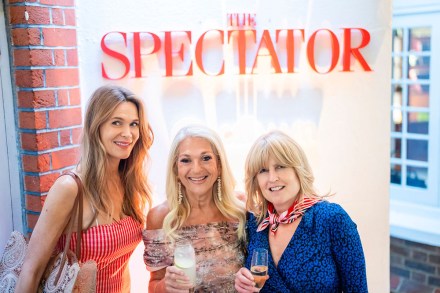
We were driving to the V&A summer party, windows down, scent of jasmine floating on the liquid June air, prospect of petal-strewn cocktails and pretty girls posing in their zaniest dresses with Grayson Perry ahead. My iPhone in my bag connected to Ivo’s car radio and – bear with me – started playing. We were in Kensington Church Street and it was the Radio 4 Media Show. ‘In a minute the head of BBC news on cuts announced today and former World Tonight presenter Ritula Shah on the Radio 4 programmes being axed,’ said Katie Razzall, introducing the acting bean-counter, a Mr Jonathan Munro, who explained that he had to cut 10 per cent costs, that 550 jobs were being binned to save half a billion quid, and that there was much more pain to come.

The horror of being offered a seat on the Tube

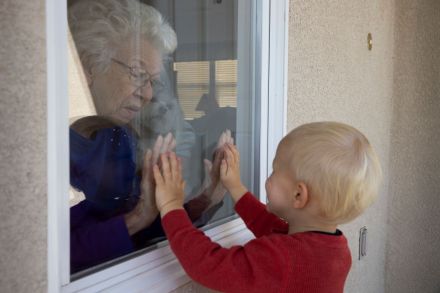
It would have been my mother’s 84th birthday on 29 May. I thought about her as I clattered down the corkscrew stairs at Holland Park Underground Station, past the prissy sign warning travellers not to attempt the stairs because there were 93 of them, instead of encouraging people to use them as I would if I were in charge around here. On the platform, in the soupy tunnel, I took out my iPhone to play my little game, which is to do the Wordle before the next train arrives, which – thanks to the Central Line’s rapid peristalsis – is usually only a couple of minutes. Mission accomplished, I got onto a standing-room-only carriage. My mother died in 2021, aged 79. It was her time.

Private battles: Twelve Post-War Tales, by Graham Swift, reviewed

When Granta magazine’s list of Best of Young British Novelists first appeared in 1983 it was a cue for me to immerse myself in the work of the named writers. There was the dazzling sardonic humour and knowing intelligence of Martin Amis; Ian McEwan’s twisty psychological thrillers; the cool prose of Kazuo Ishiguro, masking latent pain; and the fantastical, rich threads of Salman Rushdie. Rose Tremain’s anthropological insights and Pat Barker’s harrowing war stories were also transfixing. It took me a while to get to Graham Swift, but when I read Waterland, Mothering Sunday and the Booker-winning Last Orders, I was quietly absorbed. Swift didn’t aim for the pyrotechnics of his literary brothers. If they were strutting peacocks in the aviary of new writers, he was a sparrow.