Place

Place

Off-season fun in Montauk

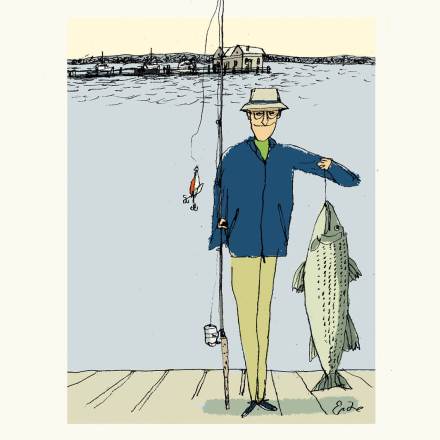
At the very end of Long Island you’ll find Montauk, the end of the line on the Long Island Rail Road; the train station might be familiar if you’re a fan of Eternal Sunshine of the Spotless Mind. In recent years, Montauk’s popularity has boomed, becoming an extension of the Hamptons in the summer. But in the off-season, it remains a secluded and mysterious town. I have come here every year for the last five years — Montauk is famed for its incredible striped bass and largely untouched natural beauty.
Montauk
Eastern

How Eastern Europe is leaving Western Europe behind

I'm in the tiny riverside town of Virpazar, in the little Balkan country of Montenegro; and under the white geisha face of a late summer moon I am warily ordering the celebrated local delicacy. It is carp — caught from the nearby, slivovitz-clear waters of Lake Skadar (biggest lake in the Balkans!). But what makes me wary is the preparation. The carp is apparently marinated, and served cold, with boiled potatoes and greens. Cold slimy fish with hot spuds and spinach? It sounds like some nightmare culinary “specialty” from the old communist bloc (of which Montenegro was once a part, within Yugoslavia). I’m veteran enough to remember a few of these. “Famous” flatbreads that came with rancid lard.

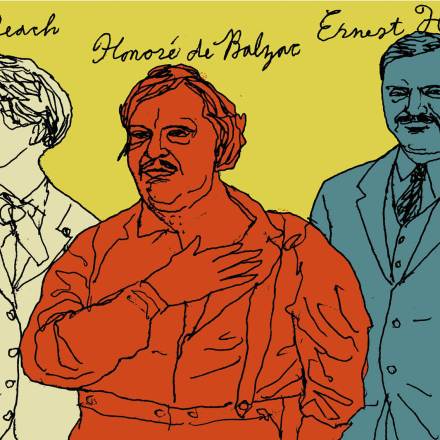
Is Paris the world’s most bookish city?

After I ventured to New York in May 2024, bound for a discerning literary journey round the city’s bookshops, libraries and hotels, I received some lively and constructive feedback from Spectator readers. Many, thankfully, agreed with my arguments about its bookish charms, but a consistent theme in the comments I received was, “How can you claim that New York is the quintessential literary city? Have you forgotten Paris?” To which my reply was reasonably simple: “What about Oxford, London, Rome, Edinburgh, Dublin, Santiago or San Francisco?” All of them hugely distinguished citadels of the written word, both present and historic alike. Yet I felt uneasy at my response.

Paris
Tokyo

Tokyo drift: Japan’s once-pricey capital is now cost-effective… for Americans

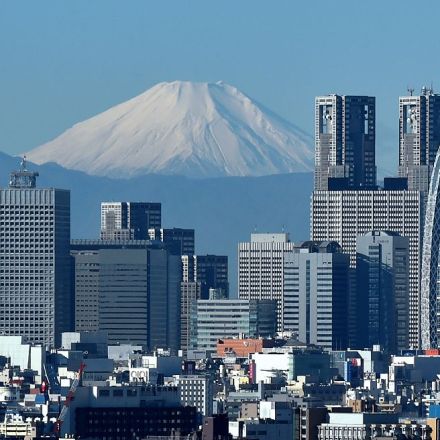
I spent my last afternoon in Tokyo stocking up on snacks and feasting on cheap and delicious conveyor belt sushi, in anticipation of characteristically criminal airport concession prices. But when I made my way past Haneda Airport’s Rodeo Drive-esque esplanade of luxury shops — does anyone really buy a $10,000 Omega watch on their way to their gate? — I was in for a surprise. Bottles of water, iced tea and other soft drinks were less than $1 in airport vending machines, just like everywhere else in the country. I wasn’t hungry, but when I realized that I could buy a plate of yakisoba with shrimp, pork and squid for the yen equivalent of $6 and six takoyaki (essentially balls of fried octopus) for $4.75, I ordered both.

Skiing Hokkaido’s powder triangle

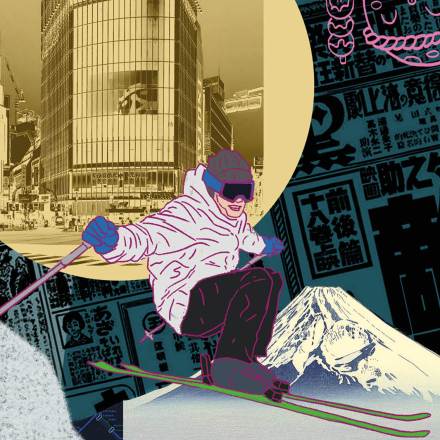
"Insane, isn’t it?!” Kyle yelled from thirty feet below, leaning back on his snowboard to watch me struggle. I summoned every ounce of strength in my jet-lagged body to prize my legs, still attached to skis, from several feet of fresh snow. Wedged sideways, I pulled myself up by a tree root, alternating between hysterical laughter and acute panic as little progress was made in five minutes. I’d come to Japan for the powder — and I’d sure found it on my first morning in Furano, Hokkaidō. Fighting to stand up, I steeled myself to tackle the impossibly light powder reaching my armpits, on the widest skis I’d ever clipped into. It really did feel different to snow in the US or Europe. This would take some getting used to. “You said you wanted ‘Japow’!

Hokkaido