Features

Features

The urgent case for voting reform

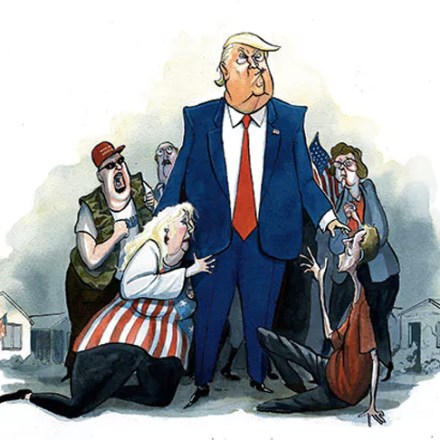
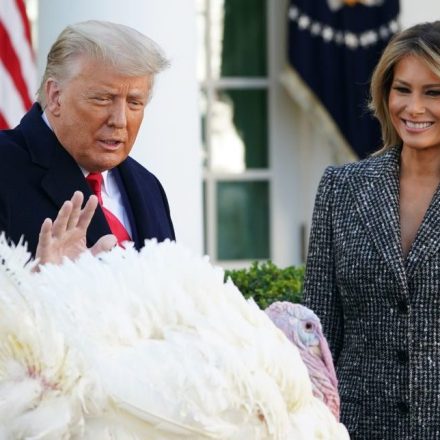
By now, The Spectator knows better than to say that Donald Trump has been definitively beaten. The President’s final defeat has been proudly proclaimed and then undermined so many times that the wisest course is to assume he will always rise again. Nevertheless, while Trump has not officially given up, he seems to have failed in his quest to win a second term. But the President did not fail in the hearts of his supporters. Most will agree: they did not lose this race — it was stolen from them. In the late hours of November 3, the President’s lead seemed insurmountable, his victory inevitable. Defying the polls, he romped to easy wins in Florida, Texas, Iowa and Ohio. The New York Times needle showed him on track to win Georgia by four points.

trust
trump

Trump’s story is still not over

The triumphant ululations of the almost unanimous Trump-hating media of America and much of the world did not clarify the late election. An unknowable quantity of harvested ballots came from the mass unsolicited mailing to the wildly inaccurate voters’ listings in Democratic-governed swing states, following a plan the Democrats implemented in hundreds of state lawsuits over three years and then hid under the pandemic terror that their allies in the media propagated. This produced miraculous Democratic comebacks from ‘ballot drops’ in the middle of the night after counting had been paused in several selected states, and it quickly became almost impossible to verify these ballots, mixed in with many millions of others.

Libertarians suck

Everyone knew some husky chap in college who smelled like onions and called himself a libertarian. He may or may not have worn a fedora. He wasn’t cool enough to do drugs but he figured that, if he never stopped talking about how much he wanted to legalize them, he’d get a bit of second-hand cool. This fellow was never seen without a copy of The Road to Serfdom tucked beneath his sweaty armpit. He never missed a seminar (again, lame) and would say the name of Ayn Rand out loud at least once per class. Sometimes he wouldn’t even raise his hand first; he’d just whisper it lovingly under his breath.

libertarians
president harris administration

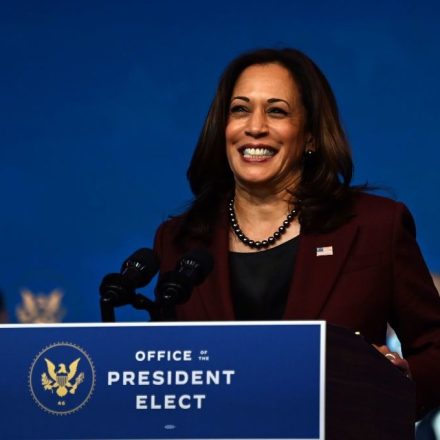
Brace yourselves for President Harris

Although the electors for the presidential election of 2020 do not cast their votes until December 14, and their votes are not certified — and hence the election is not officially ratified — until December 23, it is eminently possible that by the time you read this the world will know whether the election was won by Donald Trump or Joe Biden. That is emphatically not the case now, in mid-November. The media narrative would have you believe otherwise. According to the received script, Biden won on November 3, or at least in the wee hours of November 4, when mail-in ballots, tens of thousands of them, began appearing like manna from heaven.

Republican resurrection

When Donald Trump took his famous escalator ride, the Republican party was too attached to abstract principles at the expense of the material interests of its own voters. It wasn’t even doing a particularly good job of adhering to its preferred ideological abstractions. Whatever the Democratic party’s ideological failings, its leadership understands the importance of delivering tangible benefits to the electoral coalition that puts them in power (although their newfound suburban voters could be in for a rude awakening if the Democrats ever get too much power). Trump presented an opportunity to change this.

populism republican
joe biden speech

Biden’s speech impediment

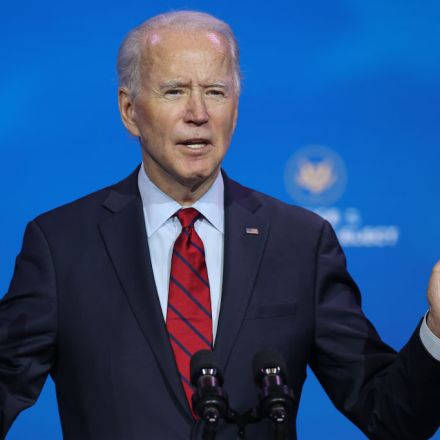
Does Joe Biden write his own speeches? Surely not. Yet his campaign says Biden was his own speechwriter for the address he made to the nation a week after the election, when he stressed his campaign theme: ‘We must restore the soul of America.’ The Soul of America is the title of a book by the historian Jon Meacham and the New York Times figured out that Meacham had helped with the speech. The campaign’s national press secretary, TJ Ducklo, was forced to concede that, yes, Biden had ‘consulted a number of important, and diverse, voices as part of his writing process, as he often does’.

The fight for liberalism

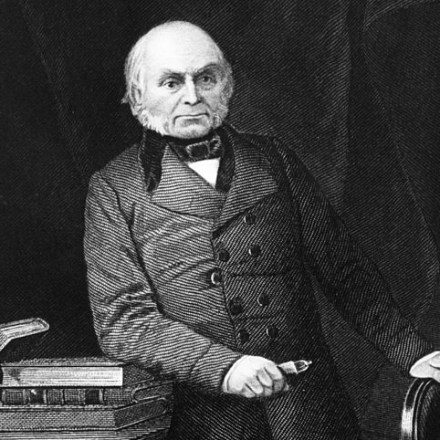
The world has many island nations, and sometimes the United States counts itself among them. We have water on either side of us, and though we share our big island with Canada and Mexico, neither poses any threat. America is immune to invasion, a castle surrounded by the safest of moats. This wasn’t always so, and it isn’t really true today, unless we forget about Hawaii and our Pacific and Caribbean territories, most of which would be easy prey for other states if they weren’t under our sovereignty. In the earliest days of the republic, we shared the North American continent with outposts of Europe’s leading powers: France, Russia, Spain and Britain.

liberalism
rioting chicago

The long legacy of looting

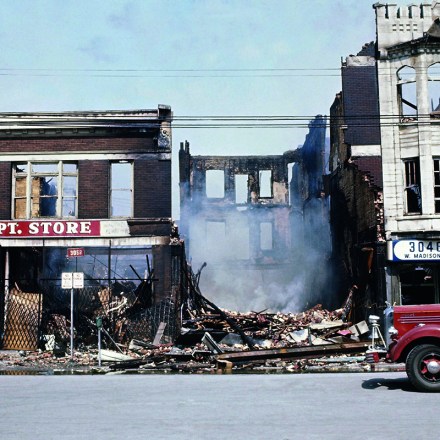
The causes of violent rioting and looting are complicated and often include real, unaddressed grievances. One thing is clear, though: looting has few winners and many losers. The losers in the long run are often those breaking the windows and making off with the bling. Many of us are trying to get a handle on the unrest we’ve witnessed in 2020. History doesn’t repeat itself, and, pace Mark Twain, it may not even rhyme, but sometimes a little context helps, if only to suggest possibilities. The considerable scholarly literature on the ‘race riots’ of the 1960s is mostly sympathetic to the rioters. It excuses or at least countenances violence because its authors share what they perceive to be the rioters’ goals: racial equality, social justice and the like.