Previous magazine Next magazine

The reviving of the American mind

Browse past issues

Food & Drink

Food and Drink

Beaujolais is the ideal summer wine

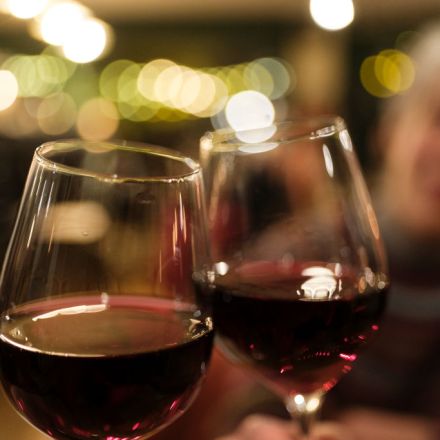
It’s been a while since we have traveled to Beaujolais, that ancient wine growing region along the Saône River north of Lyon. Since summer is nigh, it’s time for another visit. Beaujolais is an ideal summer red wine. It is almost always made exclusively from the Gamay grape, a cross between Pinot Noir and an ancient white varietal called Gouais. It is light, flowery, full of pleasing acidity and fruitiness, satisfying by itself and notably food friendly. Of course, anyone who writes about Beaujolais these days has to begin by issuing a little advisory, like the Surgeon General’s warning on packs of cigarettes and certain medications. A few decades back, Beaujolais was plagued by scandal.
beaujolais
Montana

The highs and lows of Montana’s state fair

There isn’t a lot for a kid in Montana to do in summer. School’s out and the heat is relentless – so stifling that the only real escape is the cool embrace of the fruit and vegetable aisle at Albertsons. By July, my hometown’s lone waterpark was overrun with feral, overweight preteens, their bellies jiggling as they stampeded across the scorching cement. After an overpriced afternoon at the waterpark, many of these kids would head to McDonald’s for dinner. The more upmarket option was to try to exploit a family with a country club membership. The fast food there is classy; quick but not greasy – think mini tacos and peppery chicken strips served with a petite white cup of ranch on the side. But down the highway are the real fast-food joints.

The allure of edible petals

Saying it with flowers used to be the thing – now we’re serving it with them. Edible florals have become quite the fashionable choice. There will be geraniums in your salad, lavender in your latte and hibiscus in your chocolate. Meghan Markle is making floral ice cubes, Jeremy Salamon is infusing his homemade vinegar with chamomile and Jamie Oliver is mercilessly pickling magnolia petals. There’s a Michelin-starred food joint-slash-florist in New York City, Il Fiorista, where you can get your favorite blooms stewed, baked, boiled or fried. The cocktails are swimming with garden truck, nasturtium leaves dye the buttermilk green and you could once, at any rate, lunch on sliced lotus root dusted with pine pollen (which sounds like a recipe for a positively Homeric sneeze).

flowers
garden

Tomato-gate: how I reclaimed my garden

Nothing beats befuddling my French garden neighbors each year with ridiculously early, cold-resistant tomatoes. I live in a tumbledown village in the Languedoc, population just shy of 1,000, and come spring each year I make it my business to confound the local gardening orthodoxy. My secret weapon is a full-spectrum LED grow light in my basement. Shhhhh! It’s not as illicit as it sounds – yes, they really are tomatoes that I’m growing, officer. While the local vieux garçons are still sharpening their spades and waiting for the Tramontane wind to stop scaring the dogs, I’ve been working in my subterranean lair since January, coaxing my Solanum lycopersicum into early adolescence.

The oyster is your world

Oysters have recently achieved near-meme status as one of several “pick-me” foods alongside the dirty martini, pickles, tinned fish and other briny staples popularized online by Gen Z. These foods are noted for their slightly polarizing air – expressing a preference for them communicates an evolved palate, a niche preference, a willingness to see past an aesthetically questionable facade (the bumpy pickle, the barnacle-encrusted oyster). However, unlike its fellow “pick-me” travelers or its late, meme-ified millennial predecessor, avocado on toast, the oyster itself cannot be readily dismissed as a passing fad.

oyster