Lincoln’s hideaway
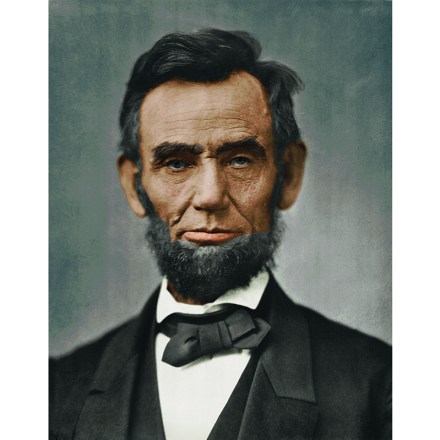
I hope Abraham Lincoln rests in peace. He got little of it as president. What solace he did find often came during stays in what today is known as President Lincoln’s Cottage, a thirty-four-room Gothic Revival home three miles north of the White House. This little-known site is where he, his wife Mary and son Tad lived for thirteen months during summers and falls from 1862 to 1864 — key periods when he wrote the Emancipation Proclamation, when the Battle of Gettysburg was fought, and when he was struggling to win reelection. Lincoln escaped to this 300-acre hideaway, the former home of a banker set on a wooded breezy plateau, to flee the heat — and the White House. His son Willie had died there of typhoid at just eleven, shortly before his first stay.