Russia

The weakness of the Russian oil price cap

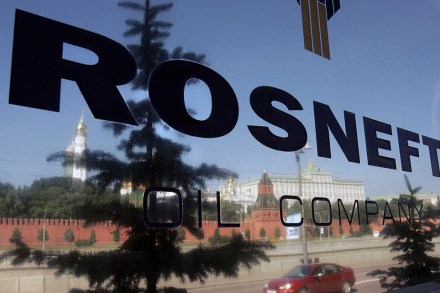
Will a price cap on Russian oil sales be a winning move in the Ukraine war? Since the invasion began, Russia has continued exporting crude and refined oil products at barely less than pre-war volumes and at rising prices that have replenished Putin’s coffers. From this week, however, the EU and G7 have imposed a ban on seaborne Russian crude imports and a $60-per-barrel price cap to be enforced by banning western shipping and insurance firms from handling Russian shipments sold above the price cap. But as I write, $60 is actually the market price of Urals crude – which has lately been trading at 25 per cent below Brent
Will the EU's oil price cap hurt Russia?

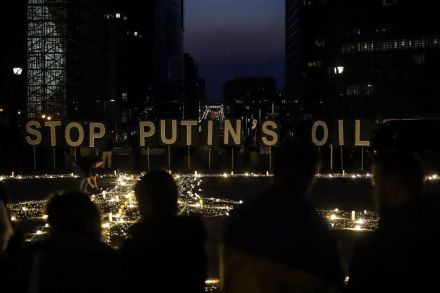
The EU’s import embargo of Russian oil – which comes into force today – plus a price cap on non-EU seaborne exports is intended to hit Russia without damaging the West. It sounds too good to be true, and it probably is. First, there’s the price cap level itself. Originally, the EU had wanted to push for a more comprehensive ban on maritime shipping insurers providing any coverage to vessels carrying Russian oil. But this frightened the US, so what we’re left with is the cap. The final figure, which the EU agreed on at the end of last week, is $60 (£49) per barrel. Russian crude oil sales have

The paradox at the heart of Russia’s missile strategy

Russia has launched five waves of missile strikes against Ukraine’s civilian infrastructures since 10 October. These strikes have damaged or destroyed almost half of Ukraine’s electricity infrastructure and made blackouts a way of life across Ukraine and neighboring Moldova. Nato Secretary General Jens Stoltenberg has aptly accused Russia of ‘weaponising winter’ against Ukraine and Ukrainian President Volodymyr Zelensky has warned that Russia will not ‘calm down’ as long as it has missiles. Russia’s deployment of a warship capable of carrying Kalibr missiles to the Black Sea suggests that the worst may be yet to come for Ukraine’s war-ravaged cities. Russian propagandists have framed these strikes as retribution for the ‘Donbas

Is Putin really to blame for this Belarusian minister’s sudden death?

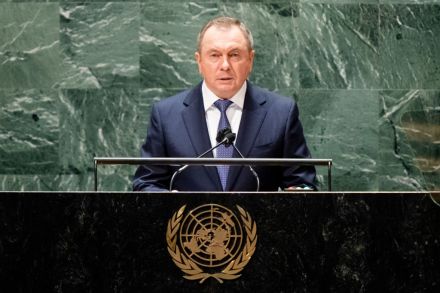
Saturday’s news of the sudden death of Belarusian foreign minister Vladimir Makei, as well as the rather terse nature of the official notice, has raised the inevitable storm of instant speculation, revolving around notional Russian plots. In the process it has illustrated both some of the shortcomings of ‘instant punditry’ and the continuing significance of Alexander Lukashenko, dubbed ‘Europe’s last dictator’ (before Putin challenged for the title). Lukashenko has been in power since 1994, and the whole system is built around him The 64-year-old Makei had been in office since 2012, and apparently died of a heart attack shortly after an official visit to Armenia and two days before he