Jack Smith

Jack Smith is an analyst at Eurointelligence.

Will the EU’s oil price cap hurt Russia?

From our UK edition

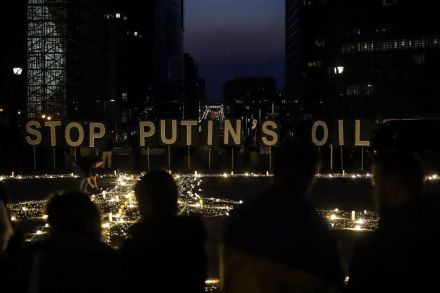
The EU's import embargo of Russian oil – which comes into force today – plus a price cap on non-EU seaborne exports is intended to hit Russia without damaging the West. It sounds too good to be true, and it probably is. First, there’s the price cap level itself. Originally, the EU had wanted to push for a more comprehensive ban on maritime shipping insurers providing any coverage to vessels carrying Russian oil. But this frightened the US, so what we’re left with is the cap. The final figure, which the EU agreed on at the end of last week, is $60 (£49) per barrel.
Are the Tories in the throes of an existential crisis?

From our UK edition

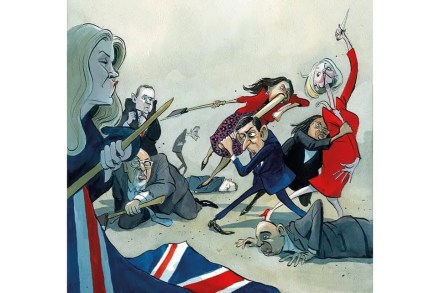
The UK government has had a fractious couple of weeks. First it was the Swiss EU deal rumours, then housing, then a panicked response to high immigration figures. The latest problem to crop up is a rebellion over onshore wind, which has effectively been banned in the UK since 2012. What each of these disparate issues have in common is that they fall within the scope of what is increasingly the most important political debate in the UK. This is the extent to which the government should prioritise economic growth, and, implicitly, who the country is run for.  Onshore wind and immigration are perhaps the clearest examples of this. The restrictions on wind turbine development, which currently make new developments effectively impossible, defy logic.

Will Meloni be able to govern Italy?

From our UK edition

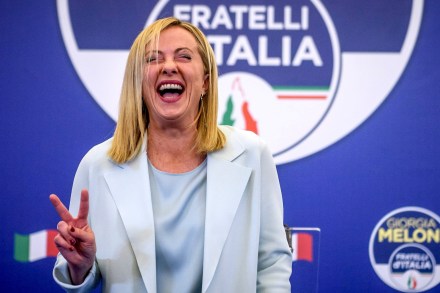
Mario Draghi's national unity government lost badly in yesterday's Italian election – worse even than the polls predicted. Fratelli d'Italia, the main opposition party, was the big winner. Five Star, which pulled the plug on Draghi's government, also gained. What we did not see is a big shift between left and right. The right coalition of Fratelli d’Italia, Lega, and Forza Italia, got 44 per cent. The really big movements occurred within the coalition. Giorgia Meloni's FdI ended up with 26 per cent – way ahead of the published polls. Lega got only 9 per cent. The coalition is on course to secure a majority in both houses of parliament, though not the two-thirds majority needed to amend the Italian constitution. Meloni will almost surely be the next prime minister.

Norway says ‘no’ to a gas price cap

From our UK edition

One implication of the Russian gas shut-off is that Norway has now become the EU’s largest single supplier of natural gas. According to the country’s energy ministry, they are expected to export 122 billion cubic metres of gas south to the EU over the course of 2022. This compares with the 155 billion cubic metres of gas which the union imported from Russia in 2021. Getting gas from Norway is obviously preferable to Russia: Norway is a friendly country, and Nato ally, and has gone out of its way to facilitate as much exports to the EU as possible. Over the summer, the country’s government effectively put a stop to a strike by gas platform workers that would have cut exports by around 60 per cent. But Norway isn't doing this out of the kindness of its heart.

Putin’s gas war endgame

From our UK edition

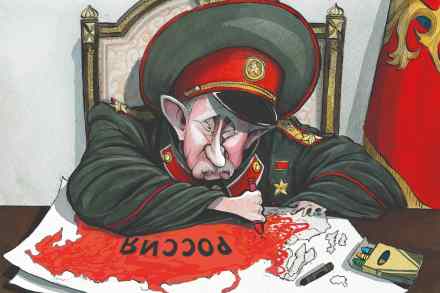
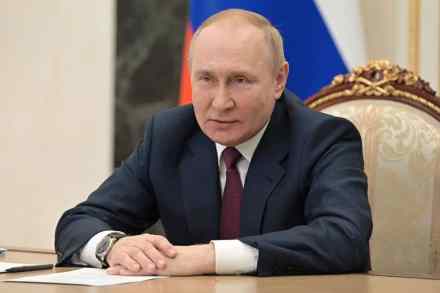
What is the Kremlin’s gas war endgame? Based on the various statements from Gazprom, the foreign ministry, and Dmitry Peskov, Vladimir Putin’s spokesperson, it’d be reasonable to conclude that it is getting western sanctions lifted. The message coming through is that the so-called technical issues that Nord Stream 1 is suffering from would be fixable, if not for the collective west’s ongoing economic embargo of Russia. If this is what Putin actually wants, it would suggest that sanctions are having a large enough impact on Russia for them to use their major source of leverage. Russia has now substantially reduced its pipeline exports to Europe.

Putin’s energy war has changed German-Russian relations for good

From our UK edition

After months of speculation and handwringing, it has finally happened: Germany and the rest of Europe are now receiving no natural gas through Nord Stream 1. Aside from how the continent manages to survive this winter, Russia’s moves to shut off supply through its pipeline will have serious long-term ramifications. One of the most significant strategic relationships in the last half-century of European politics has been that between Germany and Russia over energy. That now looks to be over, with no clear prospect of it ever returning. As with before, Gazprom made technical excuses. This time, they claimed that an oil leak had led to Rostekhnadzor, the Russian state network regulator, ordering the pipeline’s closure until they could get it fixed.

Giorgia Meloni has beaten Silvio Berlusconi at his own game

From our UK edition

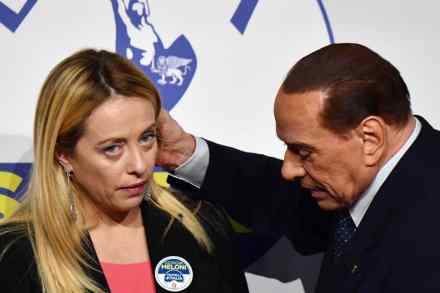
Now it’s official: if the right-wing coalition wins Italy’s election, Giorgia Meloni will almost definitely be prime minister. Earlier this week, the three leaders of the coalition, herself, Matteo Salvini, and Silvio Berlusconi, agreed to formalise the principle that whoever’s party won the most votes would get to choose who ascends to the premiership. Meloni’s Brothers of Italy (Fdl) has a significant lead over any other right-wing party in the polls, and has done so for the entirety of this year. This kind of commitment will be very difficult for Salvini and Berlusconi to back out of, even if they wanted to. The only alternative they have at their disposal if they did want to stop Meloni from becoming prime minister would be to formally merge their parties.

Germany’s gas crisis goes from bad to worse

From our UK edition

Europe’s gas situation has now gone from bad to worse. Gazprom will cut volumes through Nord Stream 1 in half, from 40 per cent of capacity to about 20 per cent from tomorrow onwards, pushing Germany into further danger ahead of winter. The German government will probably have to move into the highest level of its security of supply protocol. This is a state of emergency, and means rationing could be on the horizon. The EU will also need to work out how it will respond, as member states push back against the European Commission’s previous measures. It adds up to an extremely difficult picture economically, socially, and politically for Germany in particular, and Europe as a whole.

Mario Draghi is not a normal politician

From our UK edition

Is it all over for Mario Draghi’s recovery government? His attempted resignation yesterday – which was rejected by President Sergio Mattarella – opens up a highly uncertain chapter in the most serious crisis the Italian Prime Minister has faced. There’s little desire from anyone to see Draghi leave and usher in new elections, at least at this stage. But there is a high risk of miscalculation, thanks to the overlapping red lines the protagonists in this drama have set themselves. Giuseppe Conte’s Five Star Movement yesterday decided not to support the government on a cost-of-living bill vote in the Senate – by not turning up. That meant that the measure still passed, but without the party’s assent.