
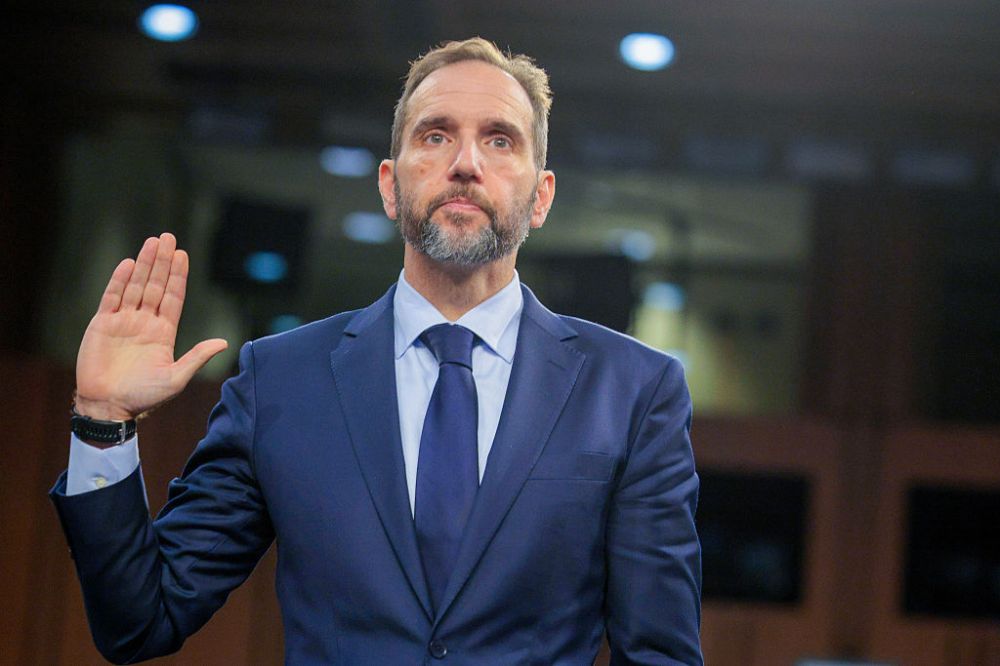
We keep hearing that Andy Burnham’s government will be the most left-wing since the 1970s, when the namesake of the new chancellor promised to squeeze the rich (Denis Healey actually said ‘property speculators’) ‘until the pips squeak’. But Burnham is about to give the better-off end of the middle classes a huge handout. Rumours abound that the new prime minister is mulling the idea of a National Care Service which, like the NHS, would provide old age care which is free at the point of delivery. How will we afford the £19 billion annual cost? Burnham is reported to be considering abolishing inheritance tax and replacing it with a 10 per cent ‘social care levy’, applied to all estates.
There would be some very significant winners and losers from this policy. For those at the lower end of the wealth scale, who have little income and few assets, it would make no difference at all: they already have their old age care paid for by the taxpayer, and they have little wealth to attract IHT. Move up the scale to someone with a decent pension and a £300,000 mortgage-free property which they were hoping to pass to their children. This is very close to the wealth held by the median household in Britain. Whether they gain or lose will depend on how much care they need. If they are lucky enough to live in good health well into old age and die in their sleep, then they would turn out to be net losers from Burnham’s policy. They won’t have any care needs to be met by taxpayers, but they will in future be liable to pay a 10 per cent tax on their estate which they do not currently have to pay. This bill – £30,000 in the above example – may or may not exceed the care needs which will in future be met by the state.
Continue further up the scale: take someone with £1.2 million worth of assets they were hoping to pass to their children. According to the ONS, 10 per cent of UK households have assets in excess of this. Again, whether they lose or benefit will depend partly on how much old age care they end up needing, but they may just about break even. At the moment, they have to pay IHT on anything above £325,000. But if you take a couple who qualify for George Osborne’s family home allowance, they could leave up to £1 million free of IHT. At present they pay 40 per cent IHT on anything in their estate over a £1 million threshold. In this example, £200,000 would be taxable, giving their heirs a bill of £80,000. In future, if we take the rumours about Burnham’s policy at face value, they will instead be liable to pay 10 per cent on the entire value of their estate: £120,000. If they end up getting £40,000 worth of care for free, they will end up even.
What about the top 1 per cent, households with assets worth in excess of £3.1 million? They stand to save a fortune on IHT. At present (assuming they are a couple who qualify for the family home allowance) they will be liable to pay 40 per cent of £2.1 million in IHT: i.e. £840,000. In future they would be liable to pay 10 per cent of £3.1 million: ie £310,000. They will also get free old age care, so they will be quids in.
Of course, the reports of what Burnham is considering may turn out to be wide of the mark. It may be that he is planning a care levy on top of existing IHT, not to replace it. Or maybe 10 per cent will be just the starting rate for his social care levy, and there will be higher rates, too. But to take the rumours as they stand, it would seem as if he is proposing a policy which would make little difference to the poor, would clobber many people in the middle and would amount to a significant tax break for the wealthy. That doesn’t sound like a policy designed by the most left-wing government in 50 years.




Comments