The long days wane, summer fades and sure enough, the big international guest orchestras land at the BBC Proms. A rare catch this year was the Proms debut of the orchestra of the New York Metropolitan Opera, under its music director Yannick Nézet-Séguin. Debut? No, I couldn’t quite believe it either. What with the regular Radio 3 broadcasts from the Met, and all those live cinema relays, the Met Orchestra almost feels like part of the family. There must be few overseas orchestras whose live performances are more familiar to British audiences.
No question, though, there’s always something rather festive about hearing a great opera orchestra in concert. Opera bands are the endurance athletes of the orchestral world, and they eat symphonic repertoire for breakfast (the entire duration of this Prom would barely take you into Act Two of Götterdämmerung). The Met Orchestra brought an all-Strauss program, climaxing with Ein Heldenleben, a suitably epic hunk of late-romantic orchestral showmanship. Perfect.
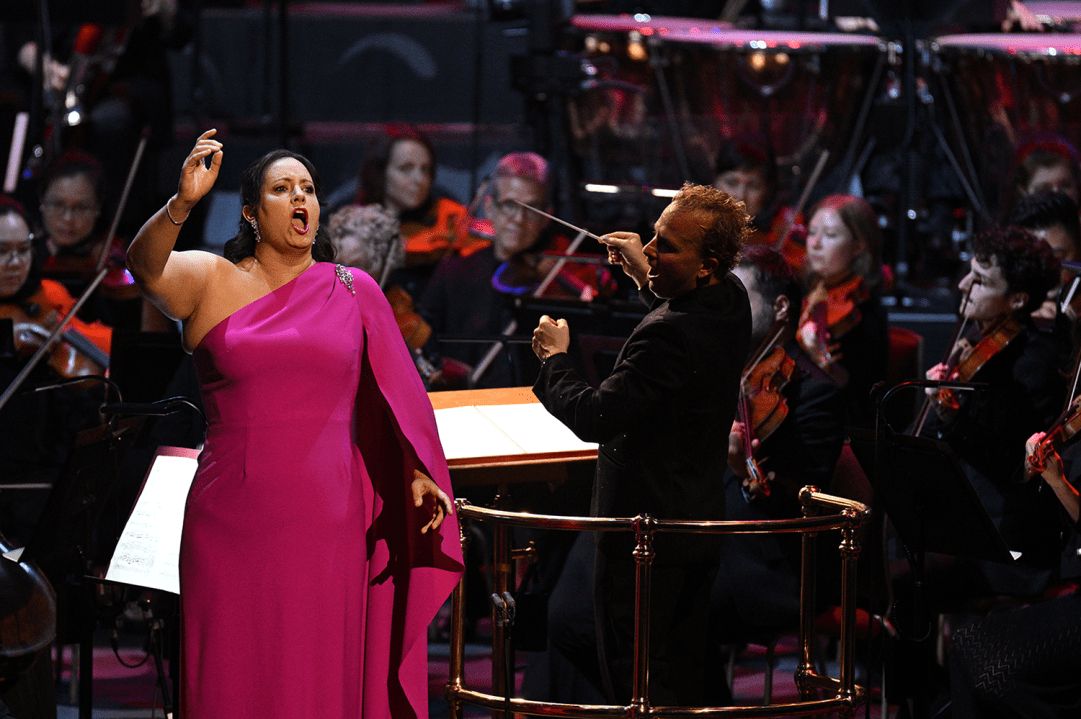
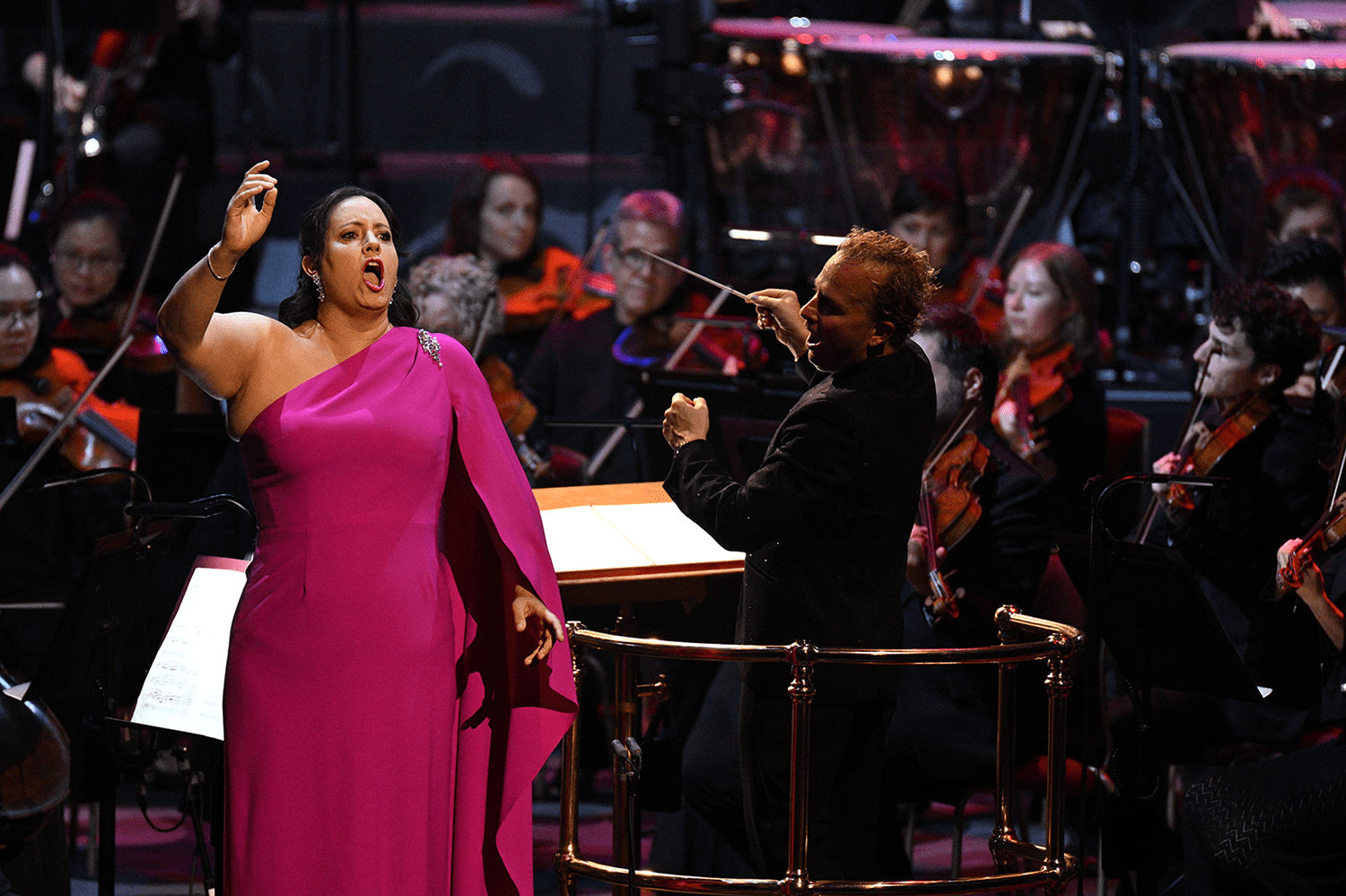
But the first half was operatic, showcasing the Met players in music that they know as well as any orchestra on Earth. The soprano Elza van den Heever sang the closing scene of Salome and Nézet-Séguin opened with the deeply dodgy Rodzinski concert suite from Der Rosenkavalier, a medley of questionable provenance that Strauss definitely didn’t create but (being strapped for royalties after the unpleasantness of 1939-45) didn’t disown either. As a testcard of luscious sonorities, it did its job, even if it felt a bit early to be indulging in the little orgasms of the “Silver Rose,” or witnessing the Met horn section somersaulting through the hoops of the final waltz.
There used to be a certain snobbery about performing operatic excerpts in concert – Beecham called them “bleeding chunks” – but really, it’s a question of presentation. Words matter in opera: I’d rather hear a lengthy uncut stretch of Salome than a trimmed and breadcrumbed orchestral Filet-o-Rosenkav. Orchestrally, the Salome sequence didn’t disappoint, with the Met players slipping as if by instinct into the oily, glinting subsoil of Strauss’s writing. Clarinets and bassoons slithered in the shadows and the violins placed an eerie halo around Heever’s singing. Her voice was bright and unnervingly girlish; very much in character, though she occasionally vanished beneath the orchestra. Of course, that might have been the Royal Albert Hall acoustics. Translations were printed in the program but surtitles (ideally with some indication of the stage directions) would have made a big difference. As it was, we were left to enjoy the sound of it, and these were certainly sounds worth hearing – silvery, fluid strings and a solo oboe whose tenderness pierced through the lushness and grabbed the heart (a useful attribute in Richard Strauss.) The low brass, too, sounded noble; blocky and forthright in the best American tradition, but solemn as well, and shining like blue-gray steel.
So if the Met Orchestra’s Heldenleben wasn’t quite the knockout I’d anticipated, that was probably down to Nézet-Séguin’s mannered conducting – a tendency toward overextended pauses and clipped, fussy phrasing that marred the Rosenkavalier suite too. Perhaps the players also felt unsure about how much they could risk, dynamic-wise, on their first visit to this off-putting venue. That didn’t prevent the leader Benjamin Bowman from playing with unaffected frankness in his long solo portrait of Strauss’s wife Pauline, or sighing (along with the principal horn) like a true lover in Heldenleben’s great sunset coda. Heever returned for the encore, Strauss’s song “Zueignung,” and won the undying love of the Prommers when she forgot the words and had to start again. It was that kind of night.
Heever won the undying love of the Prommers when she forgot the words and had to start again
The plucky chamber group that squeezed into a corner of the Arcola Theatre to accompany Ensemble OrQuesta’s The Magic Flute at the 2026 Grimeborn Festival was a very different kind of opera orchestra – tanking it out, for sure, but sounding at times as if they were sight-reading. Well, Grimeborn is meant to be rough, ready and a tiny bit out there, and this Flute was all of that. I liked conductor-director Marcio da Silva’s breathless tempi, and the way that Helen May’s feisty Pamina even sounded a bit like her mother, the Queen of the Night (Juliet Petrus).
Vedat Dalgiran, as Sarastro, had one of those bottomless, tar-black bass voices that you just want to sink into forever, and hats off to the six children – operating three weird faceless marionettes – who sang and acted the Three Boys. But what was with the chaotic mash-up of English and German texts, the ramshackle translation and the various fumbled plot points? There was no doubt that this boisterous, zero-budget production came from a place of genuine love. Again, though: words are the foundation of opera. Get them right and whether you’re the New York Met or a fringe outfit in a Dalston broom cupboard, everything else follows.



Comments