

When it comes to foreign policy, Donald Trump is neither hawk nor dove. He’s a dealmaker who plays differing sides off each other. In so doing, he ends up disappointing warmongers and peaceniks in equal measure.
Rather than blaming Trump for a bad deal, his pro-Israel supporters will tie its shortcomings to Vance
On 28 February, when he launched Operation Epic Fury, Trump’s more dovish supporters felt betrayed. The president who had campaigned against regime-change wars began a new conflict by channeling George W. Bush. “To the great, proud people of Iran I say tonight that the hour of your freedom is at hand,” he said. Many America Firsters, including former Congresswoman Marjorie Taylor Greene and media star Tucker Carlson, accused Trump of sabotaging his movement and his presidency by fighting a war for Israel that would hurt America’s interests, cost thousands of lives and plunge the world economy into recession. Joe Kent, the counterterrorism director, quit in disgust. Tulsi Gabbard, his Director of National Intelligence, resigned soon after.
Now, after four months of missiles and strategic muddle, Trump has struck an initial peace agreement with the Iranians and it is the War Party’s turn to feel aggrieved. Insider Washington this week has been buzzing with rumors that members of the President’s inner circle – including CIA director John Ratcliffe and Defense Secretary Pete Hegseth – “may pay a personal price” for opposing the deal.
This Friday, in Switzerland, barring a late blow-up, Vice-President J.D. Vance will sign the Memorandum of Understanding (MOU) between the US and Iran. Both sides will agree to end the war on all fronts, including specifically Lebanon – meaning Israel must stop its attacks on Hezbollah, Iran’s proxy. America will end its sanctions on Iran and authorize a $300 billion fund for post-conflict reconstruction, made up from Tehran’s frozen money and aid contributions from Gulf states. In return, Iran will agree to re-open the Strait of Hormuz and promise never to build a nuclear weapon.
There will be 60 days for “technical negotiations” as to how that all might work and, crucially, what exactly will happen to ‘the dust’ – Iran’s enriched uranium.
But Marc Thiessen, the influential former Bush speechwriter, has already described the MOU as “a complete disaster.” And Mark Levin, the Fox News host who is close to the President, has been clashing with pro-deal voices on social media.
The script has flipped. In March, opponents of the war were accused of cowardice and disloyalty. This week, it’s the peace-skeptics being called “Panicans.” Four months ago, Senator Lindsey Graham said Trump was “a modern-day Roosevelt and Churchill” for taking on the Great Hitler that is Iran. Today, Israeli officials are calling the President “Chamberlain” for having appeased the evil ayatollahs. One source close to Benjamin Netanyahu even branded Trump a “loser” and Israeli officials insist they will not accept any deal that allows the Islamic Republic to survive or hampers their ability to conduct strikes in Lebanon.
Congressional Republicans are also keen to express their concern that the Iran agreement might end up being weaker than Barack Obama’s JCPOA arrangement, which Trump tore up in his first term. Rather than blaming Trump for a bad deal, his pro-Israel supporters will tie its shortcomings to Vance, a well-known anti-interventionist. Some are already calling the MOU “the Vance deal.” On Fox this week, one pundit characterized the administration’s approach as “Hillbilly Obama” – a not-so-subtle reference to the title of the Vice-President’s memoir.
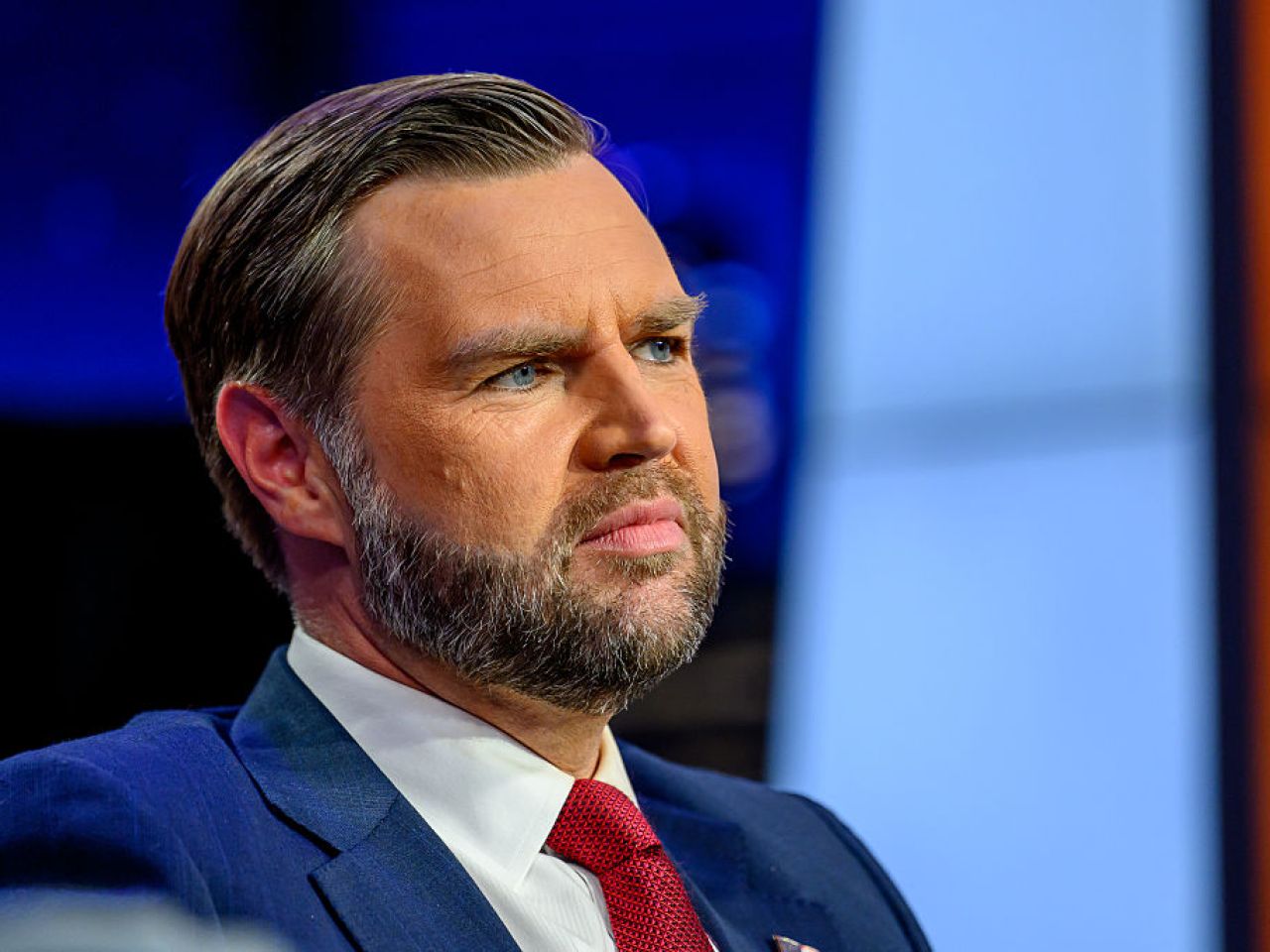
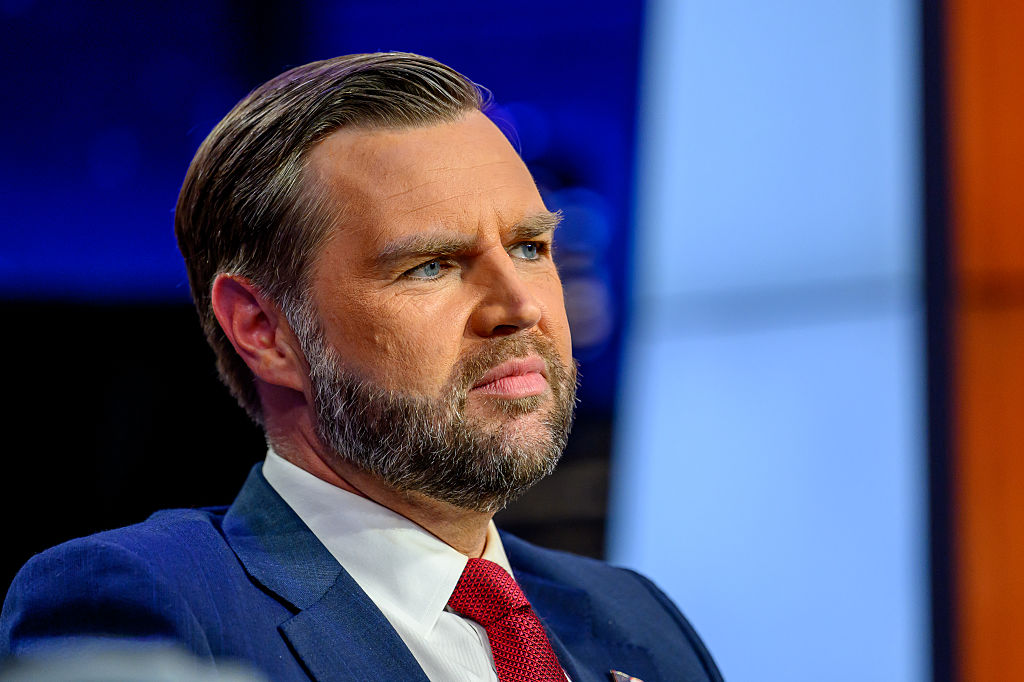
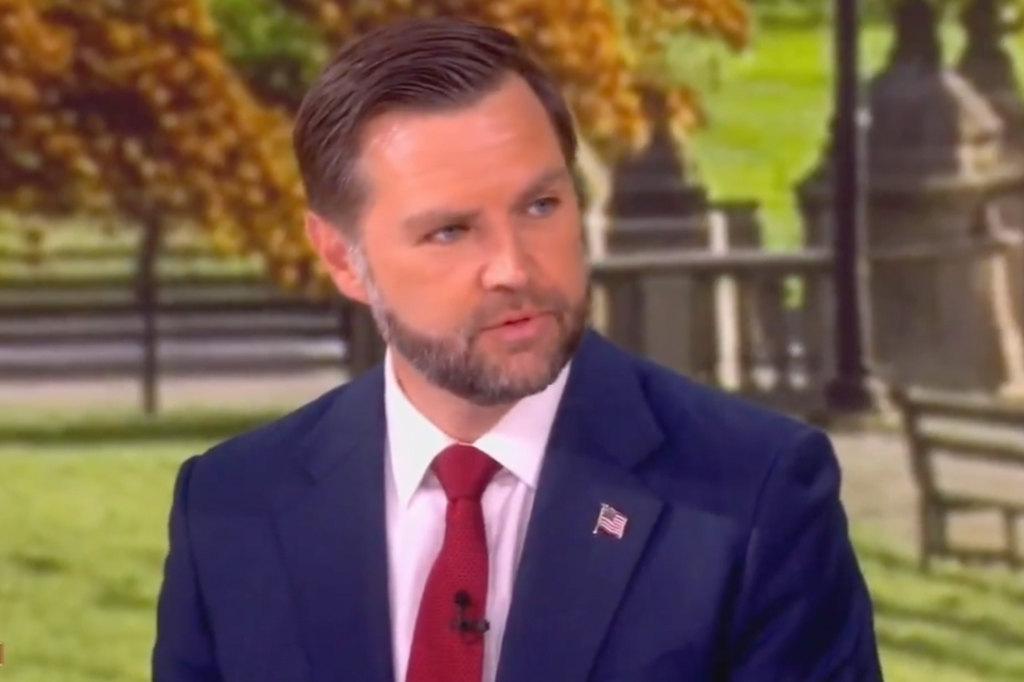
Both Vance and Secretary of State Marco Rubio, though keen to show their commitment to Trump’s agenda, have tried to distance themselves from his unpopular war and its ramifications on their presidential ambitions. The difference is that Rubio has privately expressed reservations about negotiating with the Iranians, whereas Vance has become the frontman of the ongoing peace process. This week, he has appeared on almost every American news channel, selling the MOU as Iran’s last chance to come in from the diplomatic cold.
If the deal collapses, or is widely seen as a humiliation for America, Vance will be dismissed as a foreign-policy dunce. It’s notable that the odds on him becoming the next Republican presidential nominee are lengthening, while Rubio’s have shortened. Sources close to Vance have let it be known he is now considering not running in 2028.
Yet the key negotiators of this fragile peace have been Trump’s son-in-law Jared Kushner and his peace envoy Steve Witkoff. There’s an anti-Semitic theory that, because both men are Jewish, they must be working hand-in-glove with Tel Aviv. But Kushner and Witkoff have in fact been far more subservient to their actual boss, who is desperate to find an “off-ramp.”
Netanyahu’s government has been frustrated that Kushner and Witkoff have frozen Israeli officials out, even denying them access to the wording of the MOU, apparently at the request of Qatar and Pakistan.
Meanwhile, Trump, who still insists he has a “great relationship with Bibi,” has made clear his anger at Israel’s aggression in Lebanon. At the G7 in France on Tuesday, he went so far as to suggest that Syria and its former terrorist president Ahmed al-Sharaa “take care of Hezbollah, because to be honest with you I think they’d do a better job.”
Trump can always claim that, when it comes to protecting Israel from Iran, he was willing to do more than any other president. Ever the optimist, he believes he has found a third way between the pro- and anti-interventionist positions. But his war seems destined to force a painful reckoning over America’s relationship with its closest ally in the Middle East. And Vance or Rubio may well have to deal with that.
Comments