Neocons

Gabbard 2028, anyone?

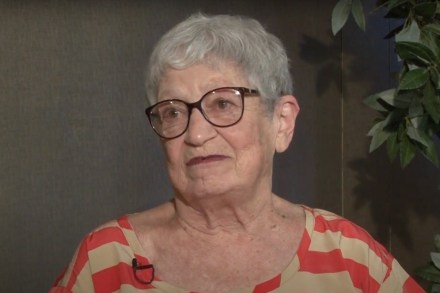
"The United States needs to stay out of Venezuela," said Tulsi Gabbard. "Let the Venezuelan people determine their future. We don’t want other countries to choose our leaders – so we have to stop trying to choose theirs."That was in 2019, when Gabbard was still a rebellious anti-war Democrat. Nobody then could have predicted that, six years on, she would be Donald Trump’s Director of National Intelligence (DNI). But in 2024, Gabbard jumped aboard the Trump Train and became a key player, alongside Robert F. Kennedy Jr., in the big realignment of that year. Yet now, she finds herself isolated. Her dovish foreign policy views make her a bad fit for an administration committed to the "Donroe Doctrine" – and, asserting itself through violence in Latin America.

Tulsi Gabbard

Neoconservative moment

In younger MAGA circles, “neocon” is a term of derision. It’s not always clear what twenty-somethings understand by the word, though its rough connotations are plain enough: “globalist” (often paired with “neocon”) and “forever wars.” The latter is what the US has fought continuously since the Soviet Union stood down thirty-five years ago — at great cost with no victories. Neoconservatism was the dominant strain of elite conservatism in the US from the Reagan era until fairly recently. So the new MAGA outlook might seem like a decisive turnabout in political and intellectual fashion. In some ways it is. Donald Trump mocked the neoconservatives’ most infamous project, the Iraq War, during his 2016 campaign and won nonetheless.

Liberation

Trump is wrong that the US should negotiate peace in Ukraine

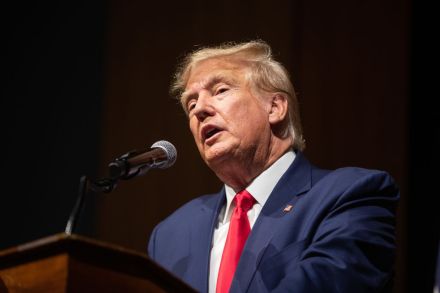
The GOP’s foreign policy doves and soft isolationists have grown stronger, with 40 percent of “Republican and Republican-leaning independents” saying the US is giving too much aid to Ukraine. Former president Donald Trump has now taken up the mantle of this movement, firmly anchoring himself to the anti-Ukraine aid faction of the party. Trump recently gave an interview to radio host Hugh Hewitt in which he made one thing clear: he’s no fan of aiding Ukraine. Asked about sending F-16s, Trump said, “I think the United States should negotiate peace between these two countries, and I don’t think they should be sending very much.” When Hewitt asked if the former president would cut aid to Kyiv, Trump responded, “we’ve got to make peace.

It’s Midge Decter’s Republican Party now

In the late 1990s, I attended a conference on conservatism held by the American Enterprise Institute at the Mayflower Hotel. Various eminences of the right were in attendance, including Norman Podhoretz and Midge Decter. Podhoretz was on a panel with Glenn Loury, who had moved away from his conservative views, and Podhoretz ventilated his exasperation over this evolution. But the panel that really caught my eye was the one that Decter spoke on about American culture. She described a country in a state of breakdown, prompting her daughter, Rachel, to remark, “Mom, it isn’t that bad!” The audience laughed. For Decter, however, it was never a laughing matter. Decter, who recently died, formed what in retrospect can be seen as the vanguard of the culture war.