
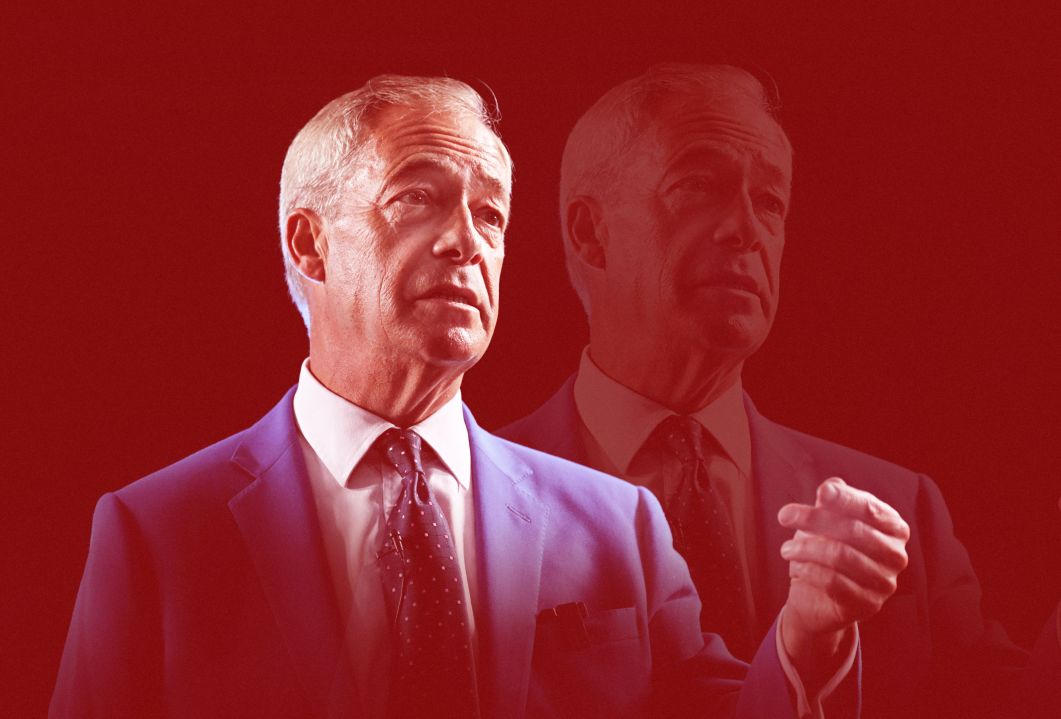
Commentators were so busy fulminating against Trump’s FIFA shenanigans yesterday they mostly missed his intervention in the big story now roiling British politics.
“They’re Running the 2024 Anti-Trump Playbook on Nigel Farage,” the President posted on Truth Social, linking to an article on the National Pulse, an American media site founded by Farage’s old mucker Raheem Kassam.
The point, now being repeated by Reform’s talking heads on TV, is clear. “They” – the SW1 elite – are trying to stop Nigel Farage, just as the Washington establishment mounted a ridiculously elaborate lawfare campaign to try to stop Donald Trump.
It may sound hysterical to suggest that the British deep state is working hand-in-glove with the media to trash the most powerful insurgency in British politics and remove its leader from parliament. But just because you’re paranoid, as Joseph Heller didn’t quite say, doesn’t mean millions of voters won’t agree with you. As we have seen with Trump in America, and Marine Le Pen in France, and countless other troubled democracies, legal and parliamentary forces do work together to try to stymie candidates who threaten to destroy them with voters.
If Farage does end up suspended from Parliament, that will tap into precisely the message he, like Trump, thrives on most
And because cock-up is the more successful brother of conspiracy, their efforts tend to backfire disastrously.
The timing of last weekend’s big story about Farage’s friendship with the dodgy gambling man “Posh George” Cottrell is interesting. The Sunday Times’s investigations team did a thorough and meticulous job of weaving together various suspicious threads. But anybody with even a passing interest in Reform already knew about Cottrell.
Last year, an anonymous Substack account, belonging it seems to someone who now calls himself “Mr. Finance Guy,” suddenly started posting an explosive series of deep-dive posts into Cottrell’s past and his almost comically shady activities. The articles appeared under the name “The State of UK” and the extent of research and level of detail was almost spooky. In fact, Reform people are convinced Mr. Finance Guy is working for Labour HQ, or perhaps some other intelligence agency.
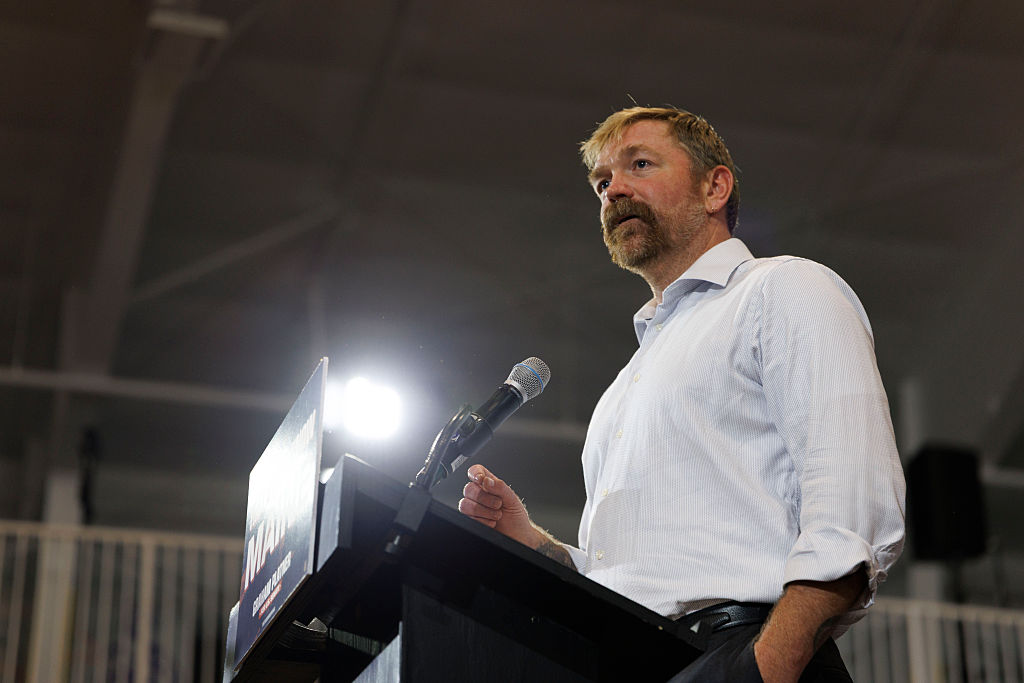
Intrigued at the time, I asked the “State of UK” account by direct message last year if he was working for Number 10 or Labour. He denied it, vaguely, if I recall (the account has now been deleted so I can’t check). Then this week, following the Times’s revelations, he (now re-materialized as The Finance Guy) and the former Guardian journalist Carole Cadwalladr accused me and The Spectator of trying to “expose a whistleblower,” as if we too were part of some great right-wing plot. We’re not, for the record.
I have no idea who Mr. Finance Guy really is. Perhaps he is just a genius online sleuth. But what’s more curious is that his revelations about Cottrell’s complicated international network of gambling operations disappeared last year, only to reappear in a leading Sunday newspaper at the very moment when Nigel Farage seems most vulnerable.
Following the story about the crypto-man Christopher Harborne giving Farage £5 million, and Farage’s rattled response to questions about that donation, Reform’s political opponents can smell blood and are eager to chase him out of parliament while the unseemly revelations are flowing.
“Farage is fucked,” one veteran SW1 operator told me this morning. But if the parliamentary standards inquiry into Farage – which will now reportedly not reach any conclusions until September – does end up suspending him from his seat in the Commons, that will tap into precisely the message he, like Trump, thrives on most. “They’re not coming after me,” said the popular Trump meme. “They’re coming after you. I’m just standing in their way.”
Of course, Farage is not Trump, and the British body politic is very different to that of the US. But France’s Marine Le Pen, who today has been cleared to run in the next French presidential election following embezzlement allegations, has also proven that being checked in the courts does, at worst, nothing to dent an insurgent’s appeal. At best, it validates the sense that the dastardly elites are running scared of fair elections.
And frightened politicians tend to over-reach. Reform have had a difficult few weeks – they under-performed in the recent Makerfield by-election, key party figures are bickering with each other, Rupert Lowe’s breakaway Restore party has caused problems to their right and Farage seems unusually sensitive to all the bad press. In a statement today, he attacked the press for violating his daughter’s privacy, insisted he had done “nothing wrong” and announced that he is resigning his seat in order to call a by-election. “I will fight to win,” he said, defiantly.
But Trump was at a similarly low ebb when he announced his re-election from Mar-a-Lago on November 15, 2022. His party had failed to capitalize on an unpopular government in the midterms, various legal problems were mounting and the donor class were more interested in backing Governor Ron DeSantis of Florida. Then his opponents started trying to block him from running and put him in jail, and we all know what happened next.


Comments