Hungary is bracing for its next general election in April. It is the tightest race since Viktor Orban came to power almost 16 years ago. Challenging Orban is Peter Magyar. Once a member of the ruling Fidesz party, he defected to become its fiercest critic. Compared to the traditional Hungarian opposition, Magyar seems to be more successful. Only a couple of months after launching his own party, TISZA – an acronym that stands for the ‘Respect and Freedom party’ – in 2024, it came second in the European parliament elections. Now, Magyar is aiming for the main prize. He is confident that he can win it.
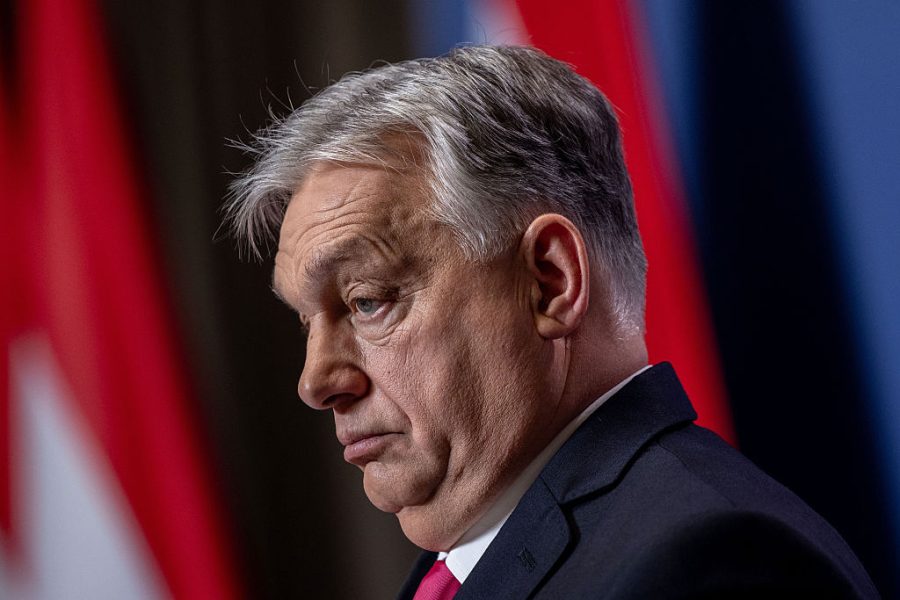
Orban’s attacks on Magyar have been ruthless, as expected. The media empire Orban has constructed over the years portrays Magyar as a servant of Brussels who wants to drag Hungary into the war in Ukraine. ‘We either take the Brussels road, which leads to war and austerity. Or we go the Hungarian road, which brings peace and development,’ Orban said earlier this week during his annual press conference. It was held in the baroque Carmelita monastery, up in the Buda castle.
It would be too early to write off Orban
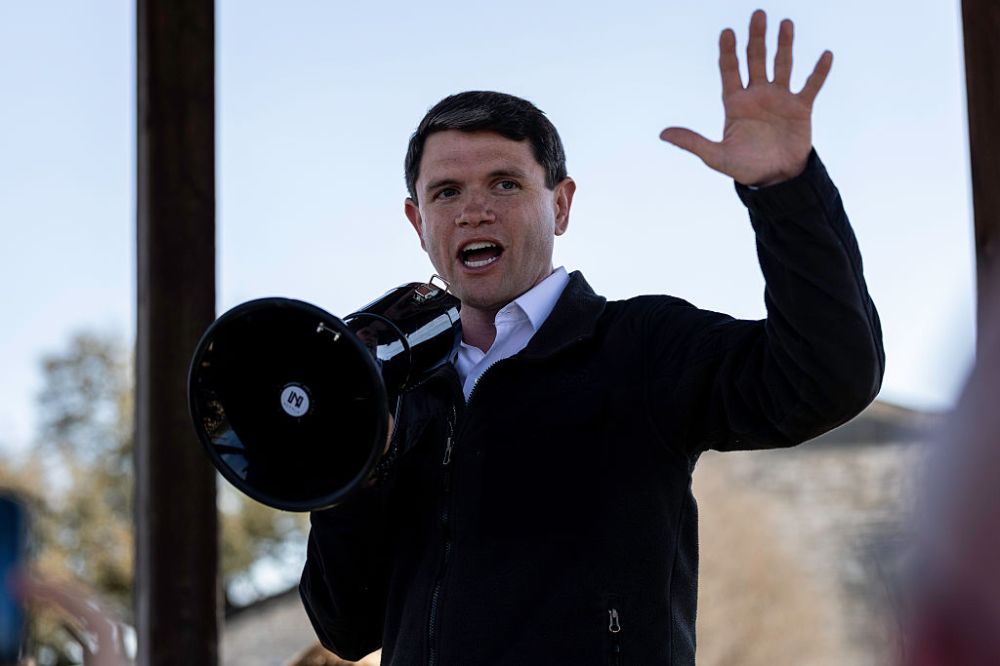
‘We don’t want to see the Hungarian prime minister on the front pages of newspapers around the world because he is Europe’s bad boy,’ said Magyar on his own press conference, strategically held on the same day, in an Italian restaurant. Indeed, Orban’s relentless attacks on Brussels’ liberalism kept Hungary steadily in the spotlight for years. Magyar, on the other hand, sees Hungary’s future firmly inside the EU and Nato as a good and reliable ally.
The EU is currently withholding around €20 billion (£17 billion) in funds from Hungary. This is due to the erosion of the rule of law in the country and because it is allegedly the bloc’s most corrupt. Magyar promises to quickly work to release these badly needed funds, which he claims Hungary deserves. His government would also join the European public prosecutor’s office, as well as the Eurozone.
The most contentious topic has been the war in Ukraine. Orban describes every effort to aid Ukraine as ‘pro-war’, has called its president Volodymyr Zelensky ‘an enemy’, and filled the country with massive billboards calling Magyar the ‘Hungarian Zelensky’. Another series of billboards showed chief of the European commission Ursula von der Leyen, Zelensky, and Magyar smiling arm in arm under the words ‘Together for the war’.
Magyar denies all such claims. His views on Ukraine, and almost everything else, are those of most centre-right conservative parties in Europe: he wants to pressure Russia through sanctions, phase out Russian gas, establish good relations with Kyiv and avoid direct confrontation with Moscow. He does oppose Ukraine’s accelerated EU accession, though.
The Transcarpathia region of Western Ukraine is a key issue in Hungarian foreign policy because of its sizeable ethnic Hungarian community. Magyar took swings at Orban for not having visited the region since 2015, and for his failure to condemn the Russian missiles that landed there. In his view, Orban cosied up too close to the East and his ‘handler in Moscow’.
Migration is perhaps what the two agree on the most. During the press conference, Magyar even conceded that Orban’s handling of the migration crisis in 2015 is among the few things he liked or respected about the prime minister. He also attacked the government for issuing tens of thousands of work visas to guest workers from Southeast and Central Asia in an effort to lessen the labour shortage in the country. Magyar is pledging to curb the number of vacancies, prioritise Hungarian workers instead, and carry on ‘protecting our southern borders from illegal migrants’.
Magyar’s hardline views on migration could be important in winning over traditional Fidesz voters. Liberals and leftists, who are mostly in Budapest, are expected to vote for him anyway – even if they do so while holding their nose. These people are so fed up with 16 years of Orban that there are few they would not vote for to bring about a change in government.
The TISZA party is yet to announce its candidate for the foreign ministry – or indeed any other ministry. They have just promised it will be a technocratic government consisting mostly of the best experts in their fields. But the party’s main policy directions are starting to appear. If they win the elections, Hungary would return to the status quo of centrist politics and to the open arms of the EU.
Magyar’s TISZA has a lead in most independent polls. Yet it would be too early to write off Orban. He has defied opinion polls and brutally crushed his opposition in every election since 2010. And many Hungarian voters probably don’t mind being led by ‘Europe’s bad boy’. For better or worse, this places this otherwise not-so-significant country back on the map and the front pages.




Comments