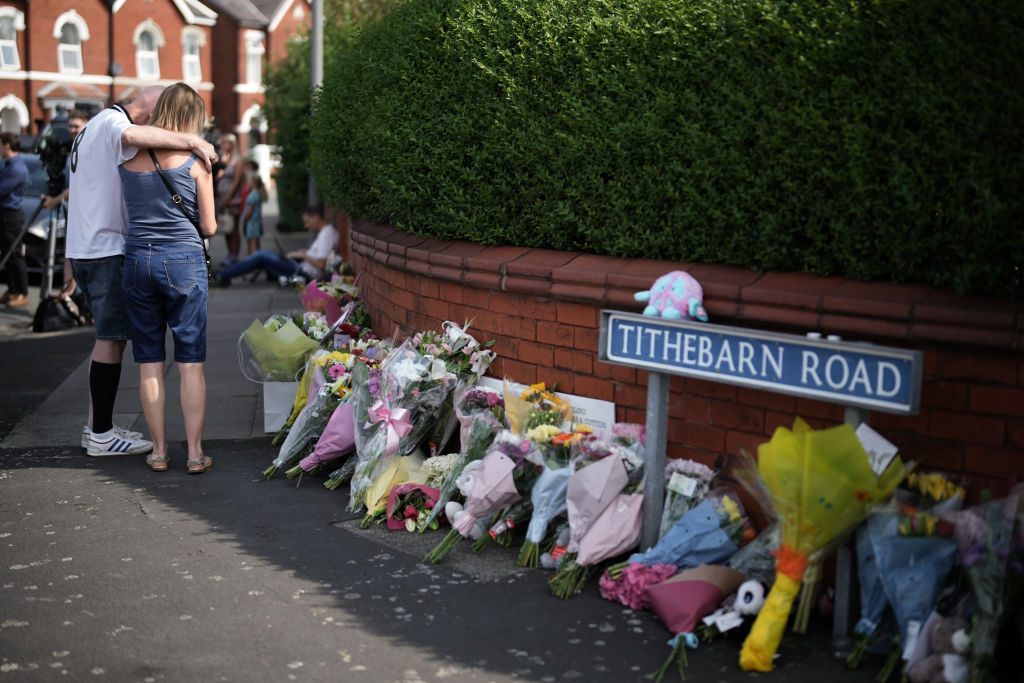
It should come as no surprise that ministers have accepted all the recommendations made in the first phase of the Southport inquiry. The investigation identified a raft of failings by public bodies to prevent the murder of three girls by Axel Rudakubana, which the government has promised to ‘urgently address’. The Home Secretary, Shabana Mahmood, vowed to ‘right the wrongs’ identified by the investigation and said that the government will do ‘whatever is needed to protect the public’. Strong words indeed, but it is by their actions that ministers will be judged, and rightly so.
The impression persists that governments, of whatever political persuasion, remain behind the curve when it comes to addressing the growing threat posed by individuals hellbent on extremism and violence
The inquiry, commissioned by then Home Secretary Yvette Cooper, was set up to examine the overall timeline of the killer’s history and interactions with a range of state bodies. The first phase of the inquiry finished last November after taking evidence over nine weeks, and the 760-page report finally published in April. It found that the murders of Alice da Silva Aguiar, nine, Bebe King, six, and Elsie Dot Stancombe, seven, ‘could and should have been prevented’, if public agencies had taken steps to stop Rudakubana before he launched the attack on the dance class in July 2024. He attempted to kill a further eight children and two adults. Last year he was jailed for a minimum of 52 years.
The inquiry chairman, Sir Adrian Fulford, said there was a ‘fundamental failure’ by any organisation, or multi-agency arrangement, to take ownership of the risk Rudakubana posed in the years leading up to his attack. The inquiry made 67 recommendations in all, identifying multiple systemic failings across public services, including health, social care, education, policing and youth justice agencies. It was unsparing in its detailed and devastating criticisms. The report listed a series of failings in how the risk posed by Rudakubana was managed and understood by those who came into contact with him in their official capacity. This included a tendency to excuse his behaviour on the grounds of his perceived or diagnosed autism spectrum disorder. The report also criticised the failure to oversee and intervene when it came to his online behaviour, with officials deemed guilty of displaying a distinct lack of curiosity. His parents also came in for strong criticism for their failure to intervene in their son’s increasingly disturbing behaviour. Sir Adrian, in one of the most significant passages summing up the mindset of public officials, called for an end to the ‘culture’ of agencies passing responsibility between each other or downgrading their own involvement.
Mahmood says the government is determined to learn the lessons: ‘The Southport inquiry identified fundamental failings, across many of our public services, in the years leading up to July 2024. These devastating failures led to the senseless killing of three young girls and violent attacks on others. My thoughts today are first and foremost with the families and friends of Bebe, Elsie and Alice and all the victims of that awful day. We owe it to them to right these wrongs.’ The Home Secretary went on: ‘I am clear that the inquiry must act as a turning point. In honour of the victims, their families and all affected, meaningful change must now follow.’
Ministers point to steps that have already been taken to address some of the issues. These include a new taskforce in the Home Office to coordinate and develop a new approach to the management of risk from non-ideological extreme violence, with a focus on early intervention.
Work is also underway to better spot those who are at risk of radicalisation online. This is all well and good – as far as it goes. But the impression persists that governments, of whatever political persuasion, remain behind the curve when it comes to addressing the growing threat posed by individuals hellbent on extremism and violence.
There is plenty of tough talk about new taskforces, better guidelines and improved cooperation between an array of different bodies charged with assessing risk and protecting the public. Yet every time there is a tragedy like the Southport killings, the same sequence of events duly follow. There is an official inquiry, then more ministerial contrition, followed by a promise of ‘lessons to be learned’. Does anyone really buy it? More broadly, what wasn’t mentioned today and still remains to be fully acknowledged, let alone addressed, is the idea of accountability for those who didn’t do their job. Will anyone senior in any of the public bodies pay any price for failing to discharge their duties? I doubt it. Plus ça change.




Comments