
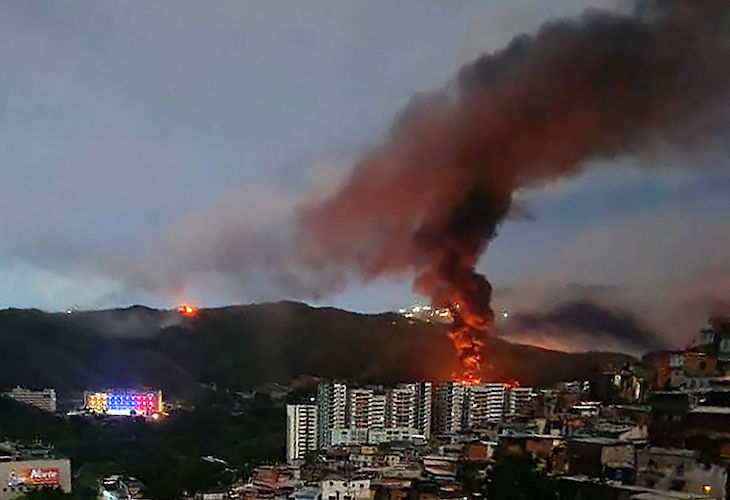
Donald Trump likes to start the new year with a bang – or better yet a series of loud bangs. On January 3, 2020, his first administration ordered the drone strike that killed Qasem Soleimani, the head of the Islamic Revolutionary Guard Corps-Quds Force. Exactly six years later, his second administration has carried out a large-scale regime-change operation in Venezuela, blowing several sites to smithereens and capturing the Venezuelan president Nicolas Maduro and his wife and flying them out of the country. This after a series of military strikes against Venezuelan and cartel targets in recent weeks and months. There had been strong rumors in Washington that Trump would order the operation in the run-up to Christmas. But he’s waited until the start of 2026 before pulling the trigger.
By changing the guard in Venezuela he has removed one of the last major oil-exporting administrations that oppose American interests
Few will mourn the departure of Maduro – a left-wing tyrant whose regime has grown ever more corrupt and oppressive as the years have gone by. Venezuela is a gangsterish system in which citizens struggle for food, snitch on each other to the authorities through social media, and drug cartels operate with impunity. But the question of what comes next is of course now paramount. America has been quite successful in recent years at regime decapitation. It’s the change part that proves really difficult.
The Nobel Peace Prize winner Maria Corina Machado, who was so careful to praise Trump after receiving the award in October, declared three weeks ago that her country had already been invaded – by Russia and Iran.
‘We have the Russian agents, we have the Iranian agents. We have terrorist groups such as Hezbollah, Hamas, operating freely in accordance with the regime,’ she said.
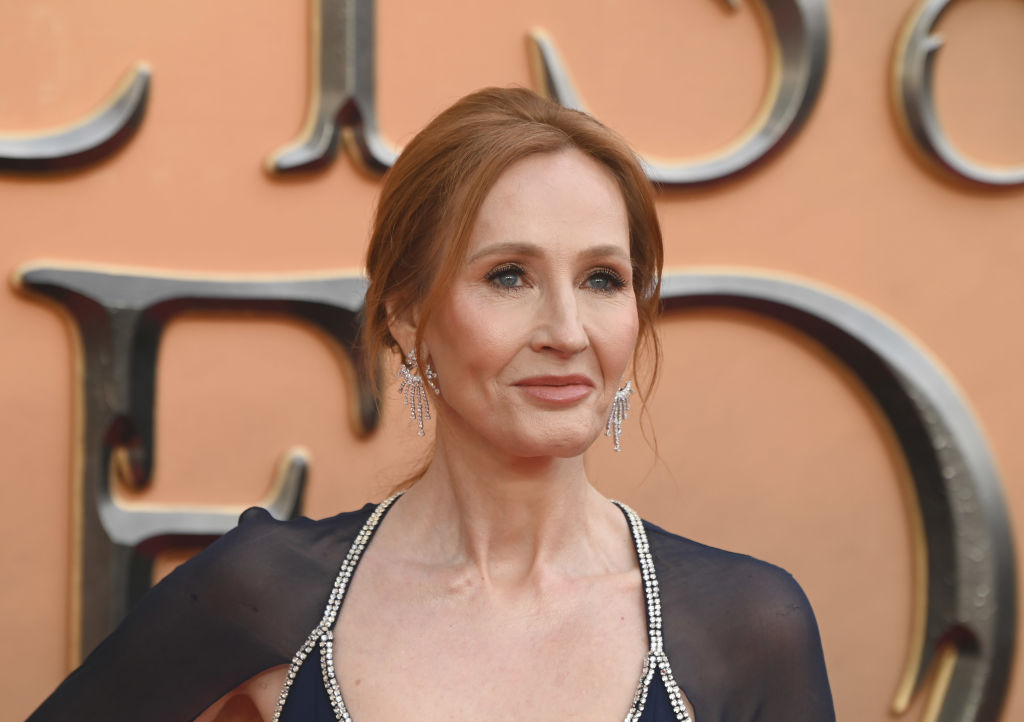
‘We have the Colombian guerrilla, the drug cartels that have taken over 60 per cent of our populations and not only involved in drug trafficking, but in human trafficking in networks of prostitution. This has turned Venezuela into the criminal hub of the Americas.’
Corina Machado supports Trump’s maximalist pressure campaign against Maduro. We must wait and see if she will play a role in whatever plans the Trump administration now has for Venezuela.
The reports of Hezbollah and Iranian activities in the region are also an important part of the story. Will the regime-change strikes on Caracas be swiftly followed by another similar mission on Tehran? It’s perhaps no coincidence that Bibi Netanyahu just attended Trump’s New Year party in Mar a Lago.
Trump has a deep obsession with energy prices and it’s notable that every country he threatens or attacks happens to have enormous oil reserves. On Christmas Day, he ordered strikes on Nigeria, apparently as a ‘Christmas present’ to protect Christians but cynics suspect other motives.
By changing the guard in Venezuela he has removed one of the last major oil-rich nations whose governments oppose American interests. The other big two are Iran and Russia. Given the increasing talk inside American corridors of power of a peace deal over Ukraine – and the business possibilities stemming from a rapprochement between Moscow and Washington – the Trump foreign-policy agenda of 2026 could already be clear. War with Venezuela and Iran and fossil-fuel-rich peace with Mother Russia. Total energy dominance – the idea will make beautiful sense in Trump’s mind. But as his predecessors George W Bush and Barack Obama discovered, the problem with forcibly removing leaders is controlling what happens next.
Comments