
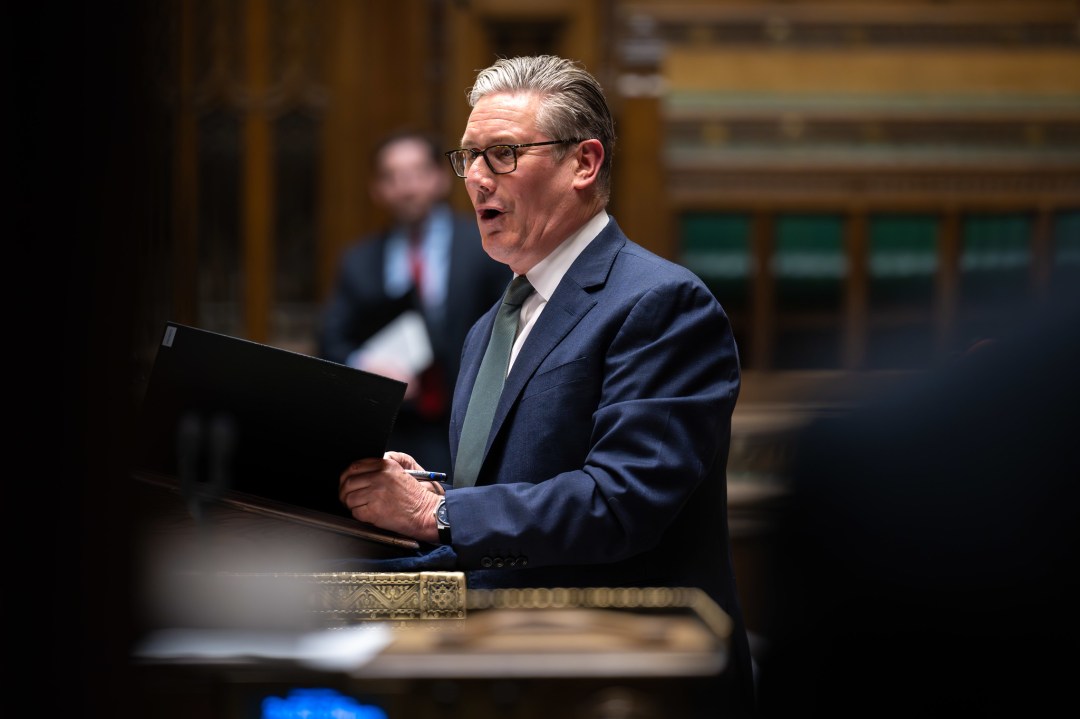
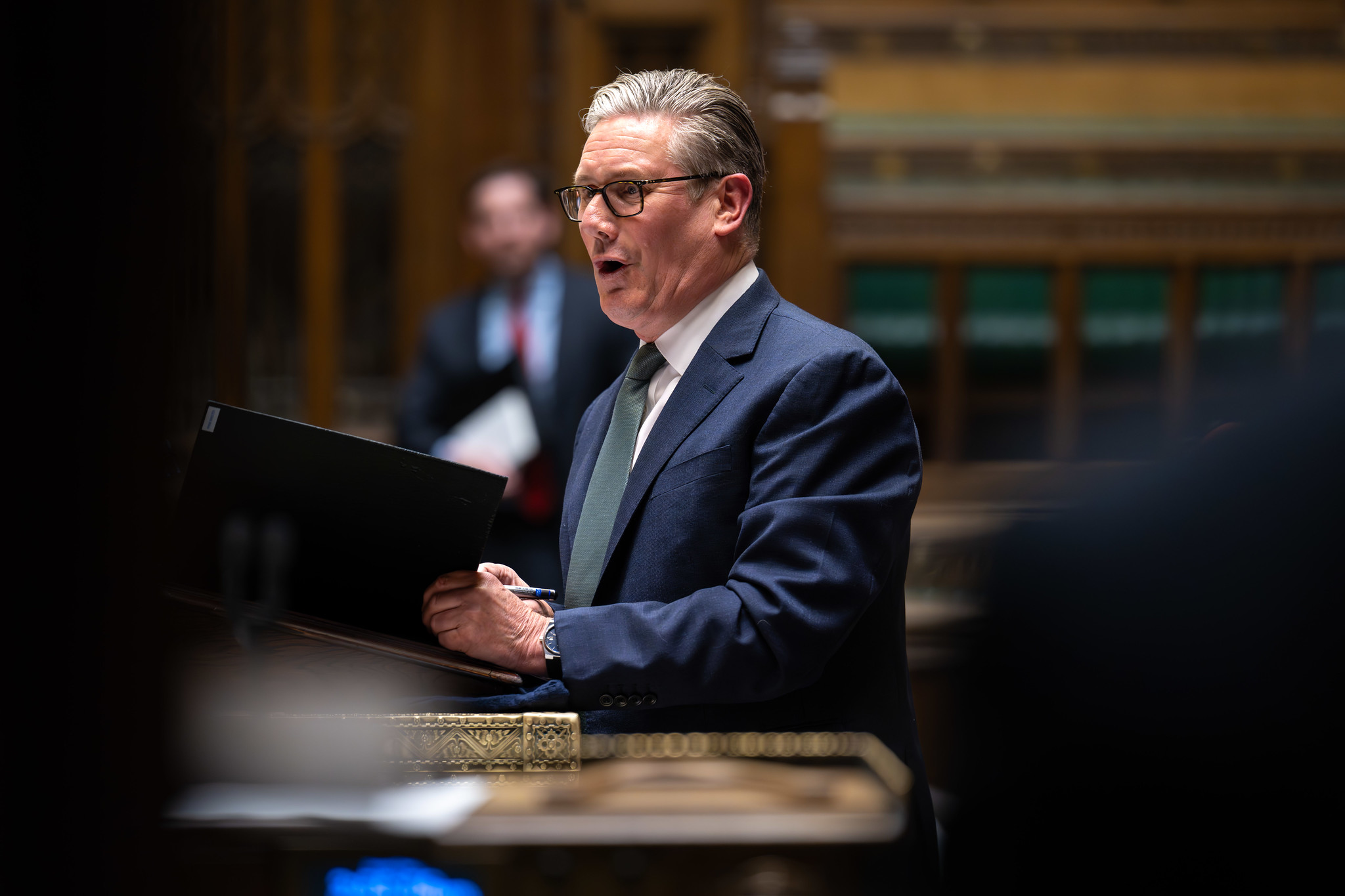
Is Prime Minister’s Questions past it? We frequently ask this question in Westminster when the Wednesday lunchtime ding-dong between the two party leaders has ended up being particularly low-rent – and it has definitely fallen into that category over the past few months. Today, Keir Starmer and Kemi Badenoch return for their first post-Easter session, and even if this one goes unusually well, it’s likely we’ll be having the same existential crisis about what the point of PMQs is again.
In the 15 years that I’ve been covering politics, I’ve definitely sat through worse periods of PMQs than the one we are currently enduring. The nadir for me came when a hangry Rishi Sunak would face Starmer, then leader of the opposition and very keen on pointing out how many U-turns and relaunches the government had gone through, and promising that Labour would be so much better. But Badenoch and Starmer are barely surpassing that: we all know what the Prime Minister will lean on in difficult weeks: Liz Truss, Ben Wallace’s ‘hollowed out’ comments about the armed forces, the £22bn black hole, and so on. Badenoch can be more unpredictable, and her weakness in pursuing an argument is still visible at times.
But the above problems are precisely why PMQs isn’t past it. It reveals a lot about our leaders. For Starmer, it’s that he hasn’t managed to develop many new thoughts since becoming prime minister, and is still largely sticking to his greatest hits from the leader of the opposition period. The PM also has a tendency when under real pressure to become incredibly pompous and lecture Badenoch on how she should do her job. The Speaker has been increasingly attuned to this and regularly reprimands Starmer that ‘this is questions to the prime minister, not the leader of the opposition’. But these habits tell us a lot about Starmer as a leader: it is in the pressure cooker of the chamber on a Wednesday that we find out the things that politicians don’t want to tell us about their characters.
Unfortunately, what Prime Minister’s Questions is also telling us at the moment – and has been revealing for a number of years – is that our politicians are pretty small figures. The sessions are tedious because too often leaders don’t have the answers to the big questions, or the confidence to make the difficult arguments. That’s not the fault of the session itself: we’d still rather it revealed that truth, even if it does make for a rather frustrating half an hour every week.



Comments