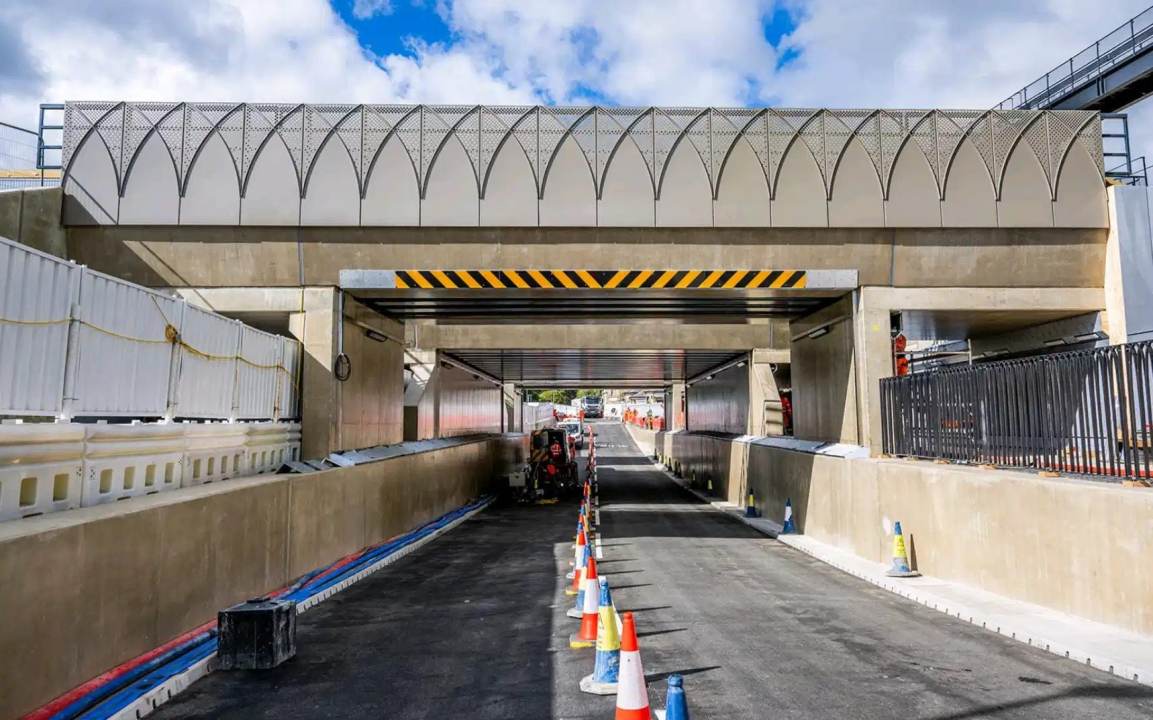
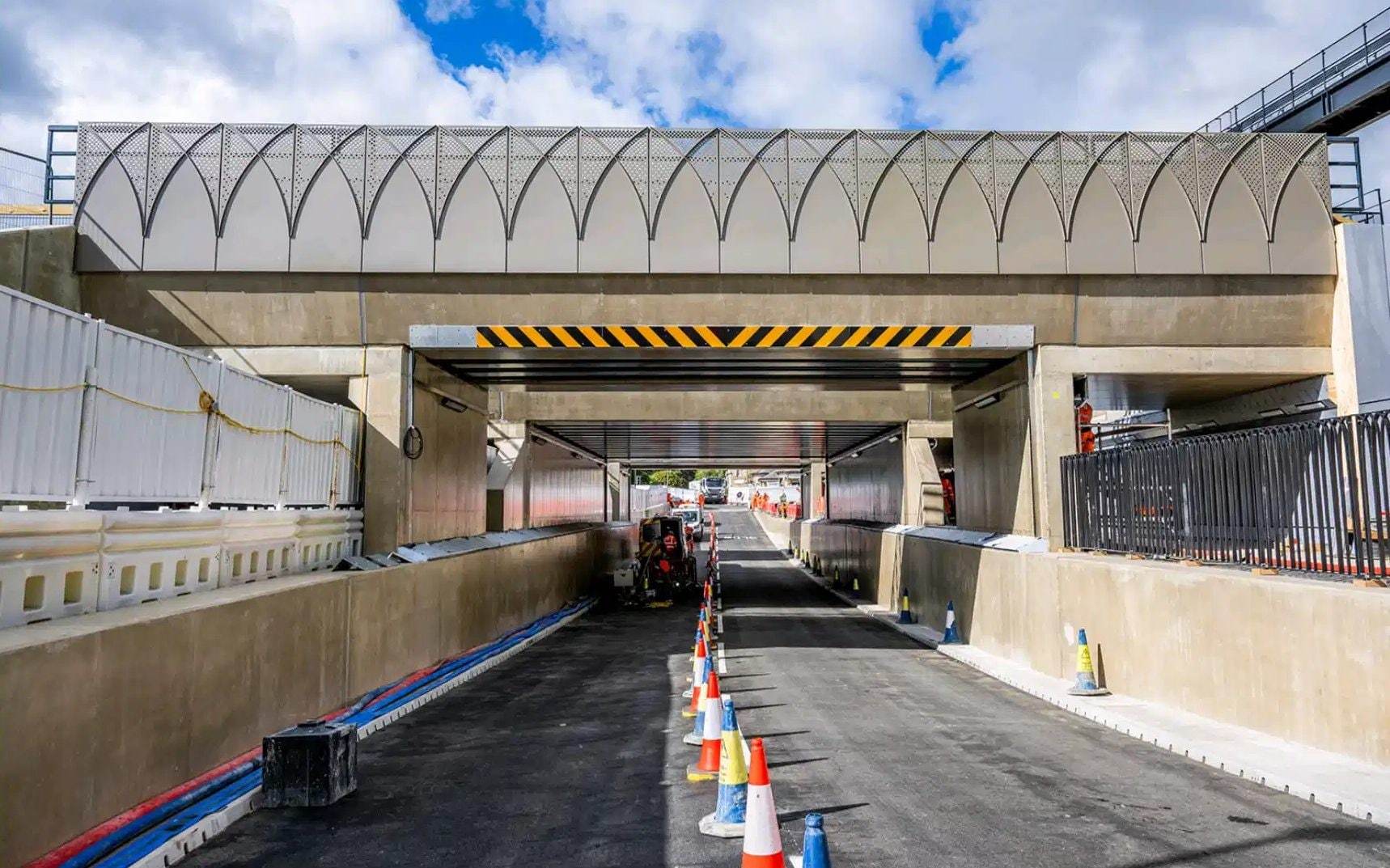
What does £237 million buy you in Britain today? Not a lot, apparently. Botley Road, one of the main routes into Oxford city centre, reopened to traffic this week. It has been closed for over three years while Network Rail worked to replace a railway bridge. The aim was to add capacity on the tracks as well as a new platform, and a new entrance to the station at a cost of £161 million. The project is late, over-budget, and key chunks (the platform and entrance) are yet to be delivered.
How did rebuilding an 18-metre-wide railway bridge over a two-lane road end up costing almost a quarter of a billion pounds?
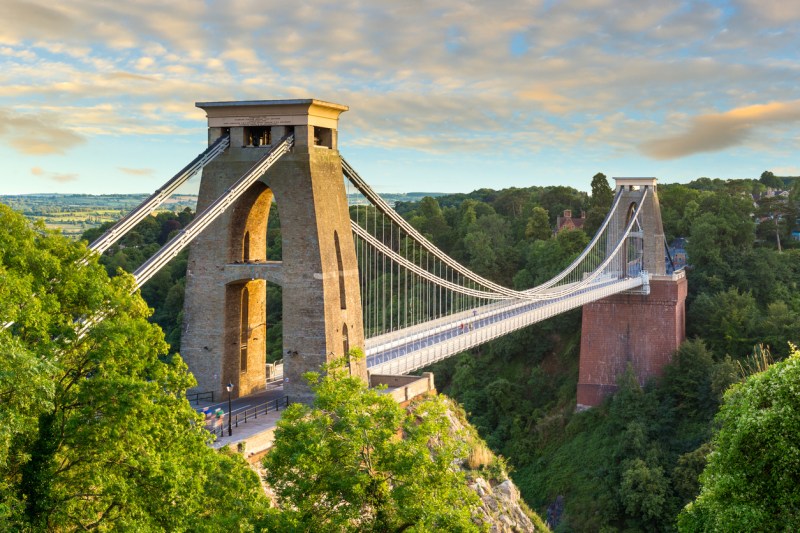
It wasn’t always like this. Over 150 years ago, Isambard Kingdom Brunel designed the Clifton Suspension Bridge. It was built for just over £100 million in today’s money. It remains to this day one of Britain’s most impressive feats of civil engineering. It certainly looks better than the Botley Road replacement.
This isn’t just a case of things costing more these days. It is far more expensive to build infrastructure in Britain than in places like France or Germany. When Britain Remade and the Centre for British Progress analysed 345 infrastructure projects across 21 countries, we found a 65 per cent British construction cost premium compared to our European counterparts. And it’s worse for rail. Even excluding the mess that is HS2, British projects are 79 per cent more expensive.
So how did rebuilding an 18-metre-wide railway bridge over a two-lane road end up costing almost a quarter of a billion pounds? The problem wasn’t the bridge per se; rather, it was what was underneath. Oxfordshire Council wanted to lower the road so double-decker buses could make it under the bridge (they previously couldn’t). They also wanted to add a cycle lane on either side and more space for pedestrians. Since the road had to be lowered anyway, and it was going to be closed for some time regardless, bundling the projects seemed sensible. Or so it seemed.
It turns out that the contractors had no clue what was underneath the road. They knew there was a Victorian Arch, but didn’t realise it was three times bigger than they thought. Nor did they realise removing the arch would have created new flood risks. They knew there were pipes and wires underneath, but didn’t bargain for the state they were in, or how close they were together. In one case, a sewage pipe and water mains were so close that the contractors had to scrap their original plan of just moving everything at once.
Part of the problem was that there was no single decision maker. It took almost nine months to get Thames Water and Network Rail to agree on a safe alternative solution. All of this would have been fine if Network Rail knew this before they closed the road. Unfortunately, they rushed ahead without completing the right surveys and investigations. They relied on ground-penetrating radar, when more intrusive investigations would have shown that many of their assumptions simply didn’t hold.
It is ironic that in order to get permission to build almost anything in Britain, the state requires countless assessments and surveys. Surveys, which in many cases, tell us what we already knew at great expense and delay. And yet, when the state attempts to build something as simple as a railway bridge, it neglects to do surveys that would have saved the taxpayer millions of pounds and avoided closing one of the city’s most important routes for over three years.

What’s infuriating is that this was all avoidable. In Edinburgh, when they built the tram they learned there were far more pipes and wires to divert than they predicted. The first phase of the project was late and went £450 million over budget, the second phase was delivered on time and to budget, 30 per cent less per mile. How did they do it? One big change was how they treated utilities. They did more extensive surveys in advance, appointed a specialist project manager, and built in contingencies for delays due to utility conflicts.
Network Rail should know better. When they were trying to electrify the Great Western Mainline, the project ended up 70 per cent over-budget, in part because they dramatically underestimated the challenge of electrifying Victorian rail bridges.
Why didn’t they learn from this? I think it ultimately comes down to incentives. Network Rail’s errors are ultimately paid for by the taxpayers, while Thames Water had no incentive to quickly find a solution to get the project (and Oxford traffic) moving.
When the National Audit Office looked into HS2, they found the main civil contracts focused on starting on time rather than cost control. Contractors faced essentially no penalty for starting work before designs had been tested or finalised. It would not surprise me if the same was true here. There’s another incentive to get spades into the ground as quickly as possible, even when it may backfire: projects under construction are much harder to cancel when the fiscal picture changes.
What’s clear is we need to fix this. We need to ensure there’s real accountability for avoidable cost overruns. The prize for fixing this is big. If Britain built as cheaply as its European peers, then without spending a penny more we would have been able to afford an extra £41.5 billion worth of infrastructure over this Parliament.






Comments