My ten-year-old daughter Rose is a thoroughly modern child in many respects but one endearingly old-fashioned characteristic that she has is a deep love of Enid Blyton. She thrilled to the Malory Towers books, as well as the BBC’s uncharacteristically old-fashioned adaptation, and was equally enamoured of the The Secret Seven, although curiously, she was left entirely cold by the wilder antics of the The Famous Five.
However, a particular favourite were the four Faraway Tree books that Blyton wrote between 1939 and 1951, at the peak of her popularity and fame. They are hardly great literature, but as usual with Blyton, are rich in imaginative vigour, as she follows the fortunes of Jo, Bessie and Fanny, a trio of girls who discover the Faraway Tree. Menace – so often a key component of Blyton’s stories – is provided by Dame Slap, the fearsome proprietor of a kind of reform school for poorly behaved supernatural beings, but these are a million miles away from the more threatening tales of Lewis Carroll or Kenneth Grahame, where nature (or supernature) is red in tooth and claw. Instead, the Magic Faraway Tree is a land of contentment and mild adventure, devoid of any real danger.
They remain much-loved by children and parents alike, but how on earth they could be adapted for cinema in 2026 is a tricky issue. Eventually, Sam Mendes’ production company Neal Street hired Paddington 2 and Wonka screenwriter Simon Farnaby to adapt the books. Farnaby jettisons the period setting and brings the story firmly into the present day, casting Andrew Garfield and Claire Foy as, respectively, a dreamy would-be tomato sauce inventor and his electronics engineer wife, who quits her job on a point of principle after designing a talking fridge that can spy on its users. Such licence is a Farnaby innovation rather than a Blyton one, but perfectly in keeping with the mixture of humour and residual distrust of all things ‘modern’ that her books epitomise.
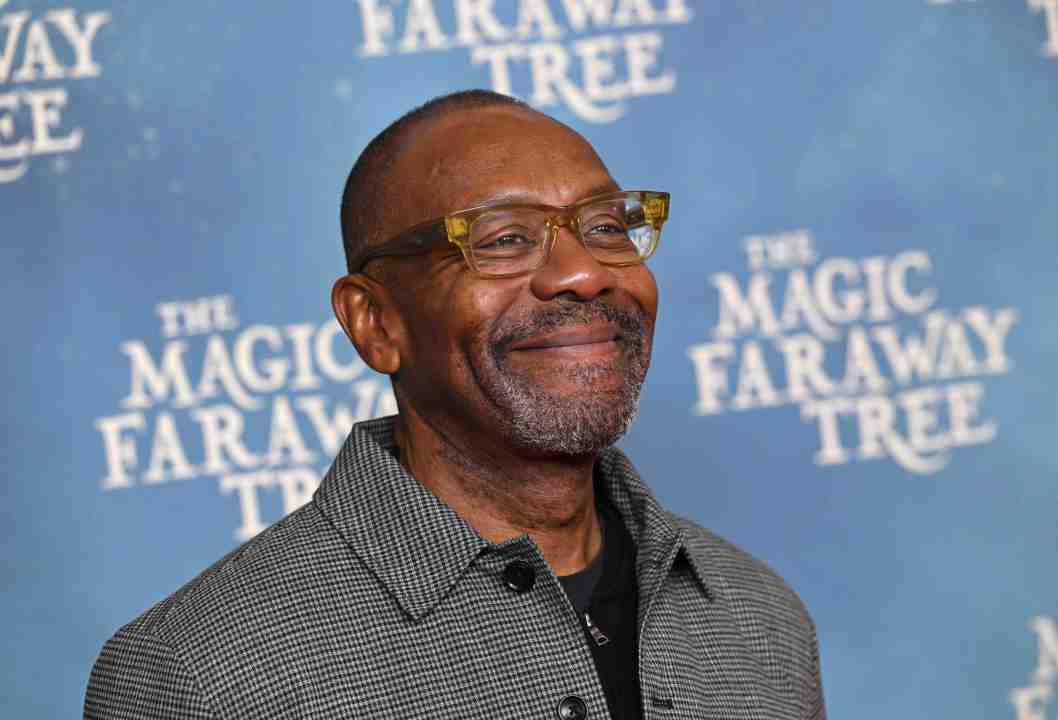
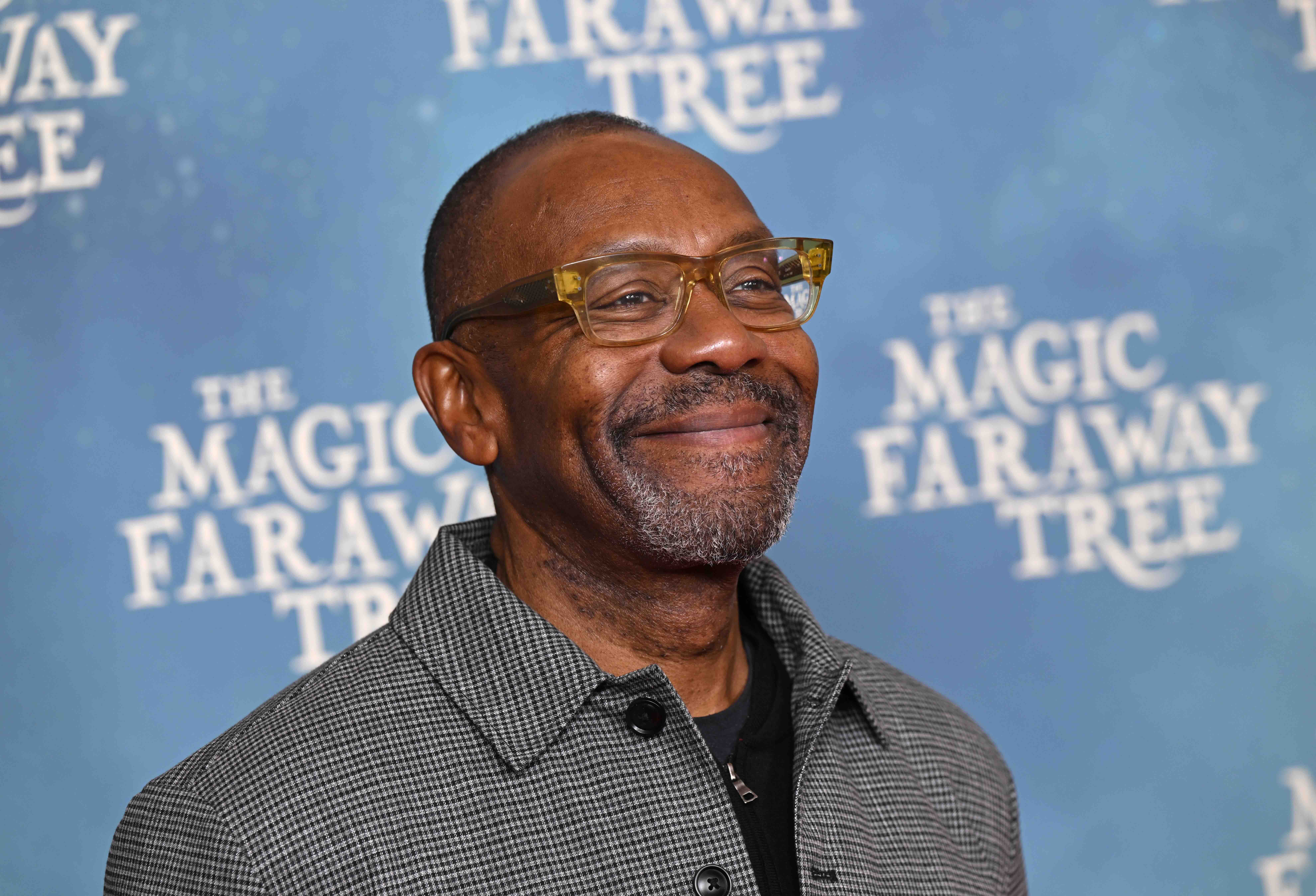
Ben Gregor’s film is, however, a strange and rather perplexing beast. It had a successful opening weekend at the box office, perhaps because it was cunningly released at the beginning of the Easter holidays, but when I took Rose to see it, I struggled to see who it was aimed at. It has all the tick-box qualities of any contemporary live-action children’s film, such as the now-obligatory diverse casting (Sir Lenny Henry has a brief cameo as one of a trio of clueless wise men, the Know-Alls) and an anti-screen, anti-technology ethos: ironic, really, given that its future audience will be watching it either on televisions or mobile phones.
It has all the tick-box qualities of any contemporary live-action children’s film, such as the now-obligatory diverse casting
Tonally, it’s an odd ride that combines straightforward sentimentality and special effects-infused wonder-by-numbers at the various enchanted lands that the characters visit with something stranger and more intriguing. The great Mark Heap has a one-scene cameo as the sinister Mr Oom-Boom-Boom, a low-grade wizard with the ability to reverse wishes, and he channels the same mixture of menace and hilarity that Terry Gilliam’s 1980s pictures such as Time Bandits and The Adventures of Baron Munchausen so effortlessly conjured up. The cast is universally strong, although I could have done without the young actor Delilah Bennett-Cardy’s perpetual expression of irritated misery, which wears thin long before her exasperated character eventually finds redemption.
Yet what I hadn’t remotely expected from the film – and what might yet do for it at the box office – is the overarching mood, which is less zany kid-focused adventure and more that of gentle but pervasive regret, helped immeasurably by Florence and the Machine keyboardist Isabella Summers’s melancholy and affecting score. Farnaby was, of course, the genius jointly responsible for Paddington 2, along with director Paul King, and there are well-attested stories of grown men (OK, me) being moved to tears by several moments in that remarkable film, largely driven by the presence of large, special effects-created bears.
There is a similar mournful sense of a loss of innocence here, driven by excellent work from both Garfield and Foy as the adult leads. Dare I say it, they’re actually more interesting characters than their children, and given rather more to do, which skews this away from being the kid-friendly blockbuster this is surely intended to be and instead invents a new genre for adults looking over their lives and wishing that they had never lost the joie de vivre that they had in their youth.
I certainly hadn’t expected the adventures of Dame Washalot, Moon-Face, Silky et al to produce quite so deep an emotional reaction, but as I left the cinema complaining about ‘something in my eye’, I wondered if it was time, after all, to revisit the work of Blyton – by common consent, one of the coldest and most efficient bestselling writers there has ever been – and seek a hitherto undetected level of heart in it. I may well be disappointed, but it’s a mark of how peculiar, and yet how oddly affecting, The Magic Faraway Tree is that I was even tempted to do so.




Comments