
‘Iran never won a war, but never lost a negotiation!’ So tweeted Donald Trump in 2020. Like the man himself, it was blunt, slightly theatrical, but not empty. A Trumpian tweet that mocked the enemy but with just a hint of admiration. As he dismissed Iran militarily, he signalled a grudging respect for how it operates at the table. It was not a grand theory, more an instinct, from a dealmaker recognising another set of operators who know how to stretch, stall and extract.
So Donald Trump went into this war and the subsequent negotiation, knowing Iran would play hard and play smart.
Back in February last year, Mohammad Bagher Ghalibaf, speaker of Iran’s parliament, offered his own certainty. Speaking in Farsi, he explained that the now dead Supreme Leader Ali Khamenei had ruled out negotiations with the United States, not least because President Trump had ordered the killing of Iran’s most powerful military commander Qasem Soleimani.
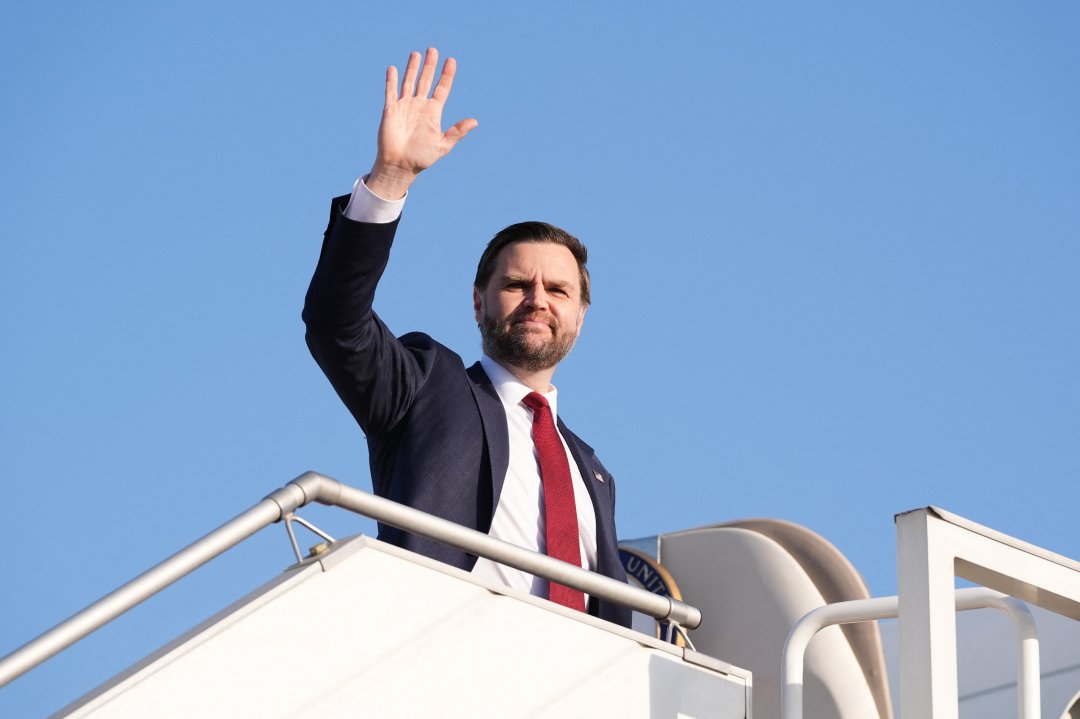
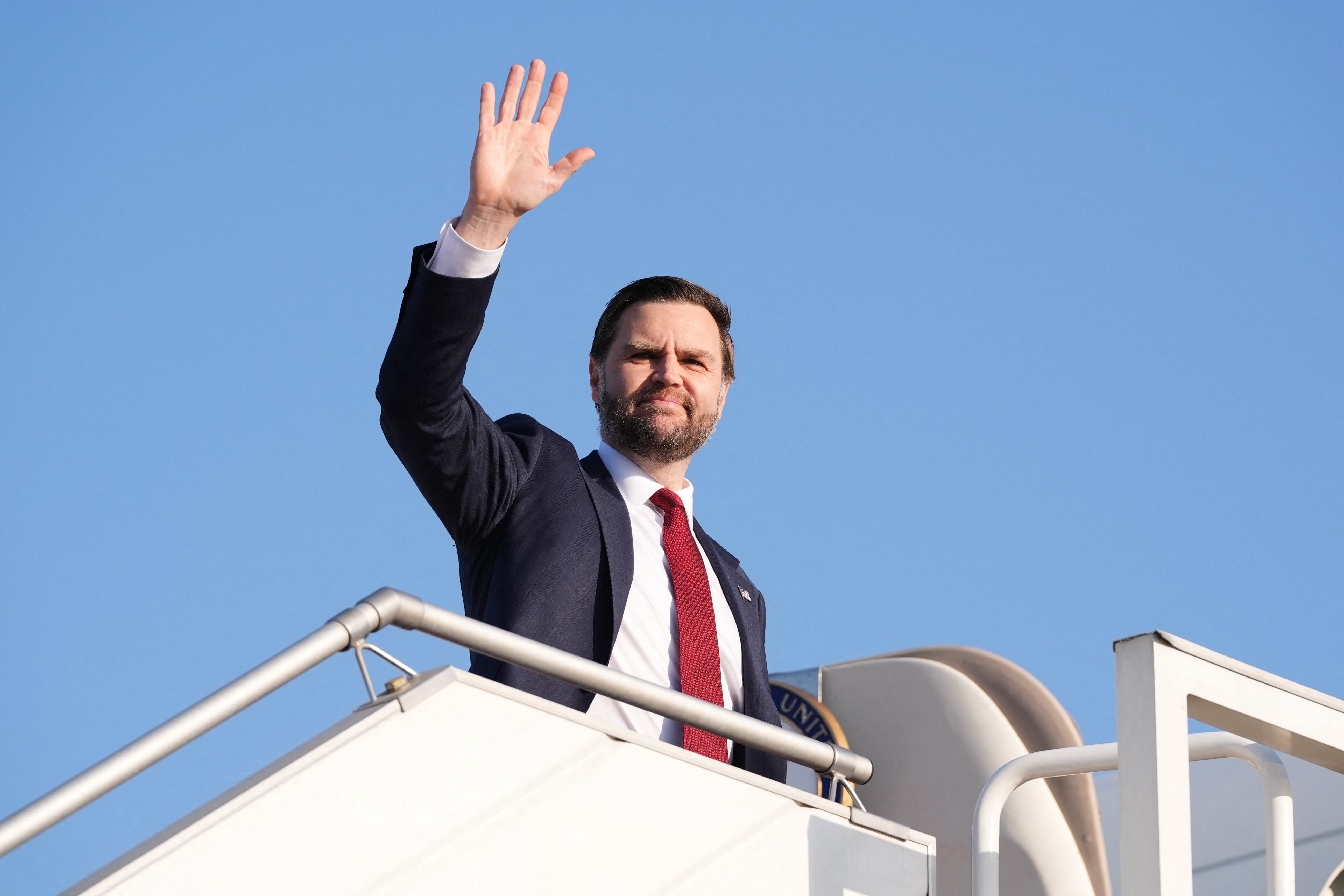
Yet President Trump sent his top team to Pakistan, including the Vice-President, to negotiate with an Iranian delegation led by none other than Ghalibaf himself. Both men had made their views clear; still both apparently disregarded them. Had they changed their minds? Probably not.
It should be no surprise that the talks in Pakistan, framed by both sides as a final opportunity, ended last night without agreement. The US delegation departed Islamabad after Vance confirmed negotiations had failed and no deal would be reached.
These were never ‘peace talks’. For both sides, they were just another moment, another strategy, another pressure point, in a wider ongoing conflict which spans war to diplomacy, ideology to economics, instant gratification to long-term gains. Any one isolated reading of any one moment in the wider context misses the massive picture in which it is but a tiny point. The failure of the talks is no exception.
So what really happened last night? Iranian and regional reporting has already pointed to deep divisions. Disputes over the Strait of Hormuz emerged as a central obstacle alongside broader disagreements over nuclear and military conditions. Iran entered the talks unconditionally, agreeing to reopen the strait, but immediately sought to leverage its power over marine traffic as a tool in negotiations. Iranian-linked sources described American demands as ‘excessive’ while Vice-President Vance characterised the US proposal as a ‘final and best offer’ which Iran had ‘chosen not to accept’. Neither side budged and continued to push for the other’s surrender.
The talks in Pakistan were never framed as anything sentimental. They were a pause – an attempt to see whether pressure, already applied, could be turned into terms. Two weeks to take stock after the kind of sustained American military pressure that forces decisions. And also, a nod towards mounting international ‘pressure’ from allies spooked by rising prices and ’the cost of living’. For Keir Starmer, for example, the talks granted an opportunity to go to the Gulf to make an Instagram reel. For the Pope, they offered a chance for literal pontification in a mini series of tone-deaf X posts about prayer. Neither the British nor the Vatican intervention added much.
There had been brief indications the talks might continue into another round. Drafts were reportedly exchanged and discussions extended for several hours. But the breakdown appears definitive, for now at least. Pakistani pressure to keep both sides at the table ultimately failed to prevent the American withdrawal.
The public messaging from Washington remained defiant. President Trump had already stated that the United States would ‘win regardless’ of whether a deal materialised. In parallel, this afternoon he announced the US navy will ‘BLOCKADE any and all Ships trying to enter, or leave, the Strait of Hormuz’. His message is typically blunt: there is no rush to resume full-scale military action as before right away but the strait will continue to be the battleground without an agreement.
These were never ‘peace talks’. For both sides, they were just another moment, another strategy, another pressure point
Tehran, for its part, has signalled both defiance and preparation. Iranian officials insist the strait will reopen on their terms, while internal messaging suggests the regime is bracing for a prolonged confrontation. Iranian Revolutionary Guard Corps sources claimed to have dismantled espionage networks linked to the United States and Israel in Hamedan, Semnan and Gilan provinces, with state-linked media reporting dozens of arrests. At the same time, there are signs of tightening control over nuclear assets. Satellite imagery indicates that access points to underground facilities at the Isfahan complex have been physically obstructed, suggesting an effort to secure sensitive material and harden the site against potential strikes or capture.
It’s all part of an elaborate dance – a David Attenborough sequence set deep in the jungle. Two beasts, pushing forward, pulling back, watching for a reaction. The smaller creatures gather round to watch in awe, feeling the force of each move. And the effects don’t stay there: they carry. Across the Gulf, into Israel, into shipping lanes and energy prices that move up and down with each new development. Into the daily lives of ordinary Israelis, Iranians and Lebanese.
That is where the rest of the jungle comes into view, in how others begin to position themselves. The Qatari mouthpiece Al Jazeera leans firmly towards Tehran, framing the talks around ‘impossible’ American demands and Iranian strength. Saudi and Emirati outlets take a different line, focusing on the Strait of Hormuz and the US effort to neutralise that leverage. Across Arab social media, the tone shifts again, less concerned with narrative and more with what comes next, already bracing for escalation.
In the jungle, the smaller creatures do not debate the fight; they watch for signs – who is wounded, who still has strength, who might be the next king – and they adjust accordingly. It is their movement which can reveal what is really going on. What happened in Islamabad is not yet an ending, just another move in a lethal war that affects us all.

Comments