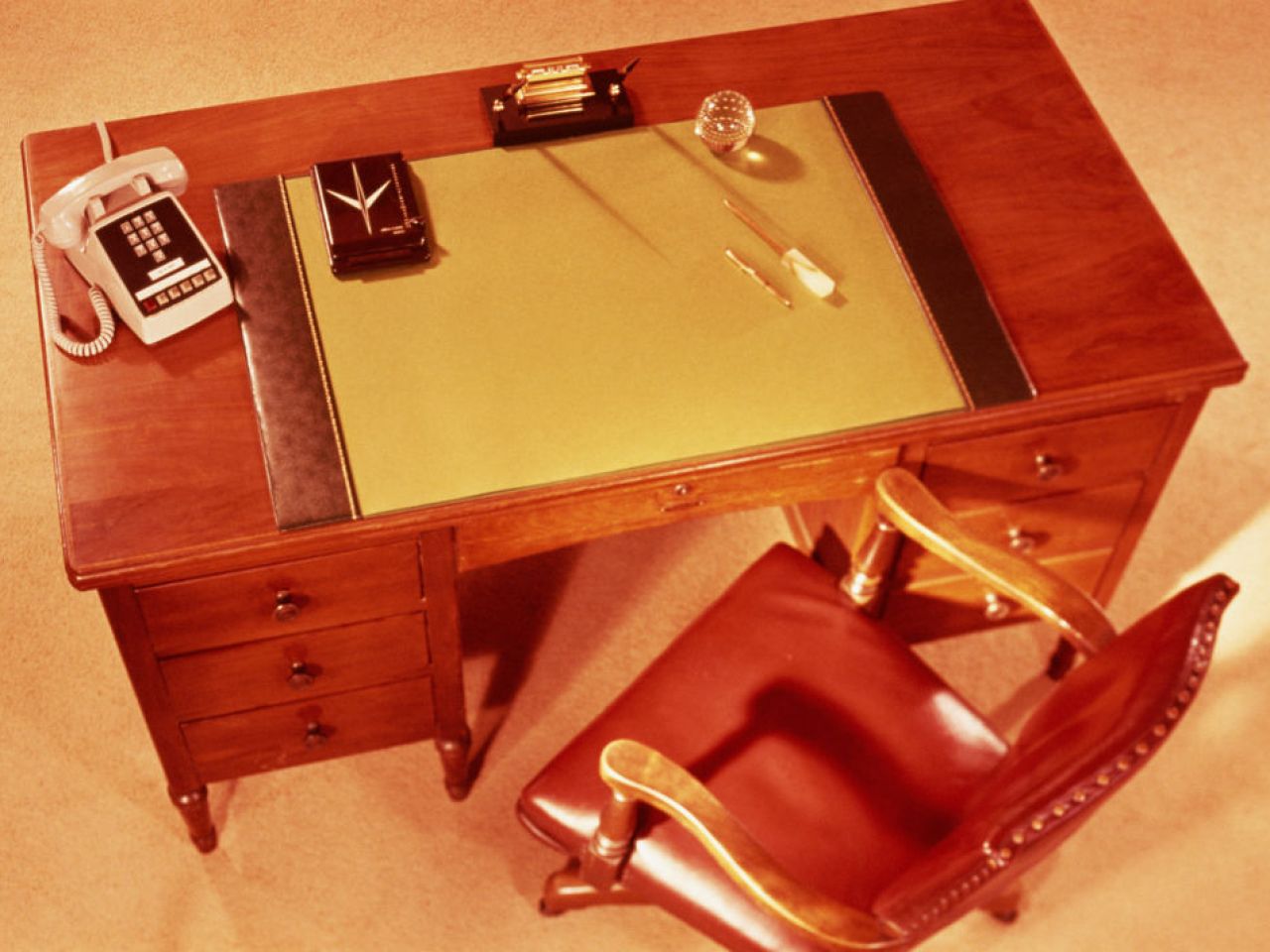



Here is my list of things I’ve been fantasizing about getting for Christmas, in no particular order: encyclopedia set, piano, record player, landline.
In other words, I want 1989 for Christmas. I’m yearning for an analog world. For tactile experiences. Cool piano keys I can stumble over. Encyclopedias I can flip through, getting lost in whatever the pages land on when I open the book. I yearn for the stereo sound of a record when an entire side has played, uninterrupted. I want people to have to reach me on my terms, when I’m home or available, not at any and all times.
Growing up in the 1980s and 90s, I spent a lot of time alone with my thoughts, or running around wild with siblings, friends and cousins. When I was nine, I’d explore the woods behind my house in Connecticut, pretending I was looking for gnomes and fairies and other woodland creatures. As preteens we would get on our bikes in the summer and ride down to the beach and spend all day there, swimming back and forth to the raft. Our extremely large pack of cousins would go explore the rocks and jump off them into the ocean, far away from the view of our parents who were chatting and drinking on the beach. My grandmother drove us around in the back of her pickup truck. Today, my daughter sits in a rear-facing car seat.
There is a specific kind of Gen X nostalgia for the good ol’ analog days going around. In his book Mediated, Thomas de Zengotita writes about it as he watches kids riding around on bikes with helmets that “could deflect a bazooka shell.” He is aware of his nostalgia for the days when “kids (especially boys) over a certain age of, say, eight, pretty much ran free,” but also considers that if he were a parent today, he would likely insist on the same thing. “Now that I know about bike helmets, now that they are an option, it would be downright irresponsible not to strap one on Justin’s little head…”
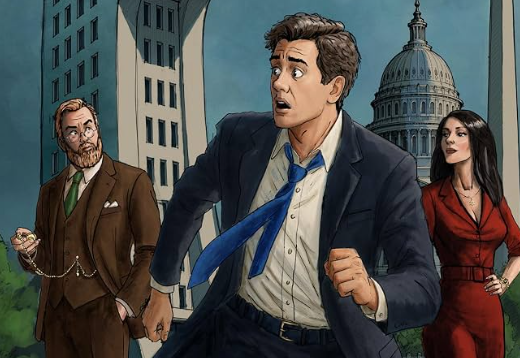
It was rare, but our antics did end up with trips to the ER. A sister ate mushrooms and needed her stomach pumped. A brother fell down the stairs and had a concussion. A cousin cut the tip of his finger off when we were playing at my grandmother’s. This was the price of a free-range childhood. Accidents happened. Now that I have a kid, I agree with de Zengotita: bubble-wrapping your child is “easy to mock… but you end up opting for these options because, on balance, it’s better than not opting for them.”
One time after our family moved, my brother and I both set out on our bikes to explore the new neighborhood. I was so young, my bike still had a banana seat. And I was barefoot because, well, I’m not exactly sure why. Maybe I couldn’t find my shoes. Maybe I was too lazy to put them on. My parents were unloading a huge moving truck and needed a couple of their five kids to bug off, so they weren’t really paying attention. I ended up flipping over my bike handles and breaking my wrist. It was a compound fracture so I spent the whole summer in a cast and started fourth grade at my new school having to learn cursive with my nondominant hand.
For this reason, I hated cursive. Now I long for it. Cursive seems ancient now, from a time when people wrote with quills by candlelight. Not the recent 1980s or 90s. The visceral struggle to get those flowing letters aligned. The endless practicing, pencil to paper. The mind-muscle connections that I built. Cursive is so very corporeal. Even typing is tangible.
But scrolling is disembodied. More than a decade of scrolling has changed my brain, and not for the better. I’m scattered, more scattered than I used to be when I had long periods of uninterrupted daydreaming time by myself. Now my attention span is shattered, destroyed by convenience. Flipping through Mediated to find the bit I just described, I found myself getting annoyed that I couldn’t search through the whole document instantly. I’ve looked at physical photographs and had the urge to try to zoom in.
Technology has tricked us into tracking ourselves and our children. Lately, I’ve been obsessed with how much of a surveillance state we’ve opted into, completely willingly. It’s almost all I think about in those quiet moments alone in my house. Am I alone though? Is my TV watching me? My computer? My phone? My Peloton? Maybe some. Probably all.
De Zengotita called this phenomenon “Justin’s Helmet Principle.” “The dynamic of evaluation goes like this: to begin with, an aesthetic sense that something is amiss; then the realization that you can’t pin down exactly what the problem is, while the advantages are obvious – and that queasy feeling will subside in time.”
I got a chill down my spine the first time I saw a driverless car. Now it’s just a normal part of driving in downtown Austin. That creeping feeling as I wonder if the music Spotify just recommended is AI-generated or made by a human goes away eventually when I have the unsettling realization that I already can’t tell the difference. The artificial inevitability of it all.
It’s strange to have lived through the end of analog. It’s even stranger to witness the pace at which AI is evolving and devouring everything in its path. I realize this makes me sound like a boomer, but it’s part of the reason I find myself wanting to turn away from devices and technology and social media – and longing for 1989 for Christmas.
This article was originally published in The Spectator’s December 22, 2025 World edition.





Comments