
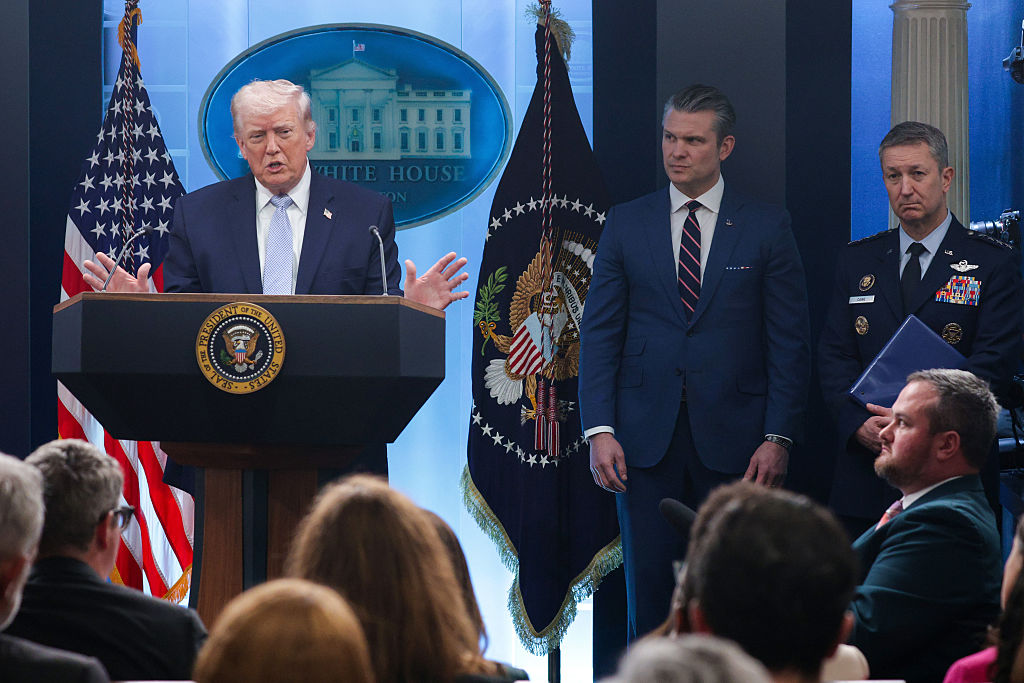
Monday’s White House press conference came in two distinct parts. The first was an extraordinary tale of heroism in the rescue of two downed pilots. America’s military and intelligence leaders provided details that were new to the public. The danger of a daytime rescue mission in the face of enemy fire. The harrowing climb by one officer to a crevice in the mountains. The technical sophistication needed to find him. And the misdirection executed to confound Iranian forces in the area, determined to capture the American serviceman before help arrived.
It was impossible to listen to that tale of bravery and professional excellence without an overwhelming sense of patriotic emotion, suffused with gratitude for the men and women who have pledged their lives to keep America safe.
That report to the public was followed by an extended press conference, where President Trump heaped praise on the rescue mission before turning to the next steps in the war with Iran.
The president didn’t break any news on what comes next, but he did make three essential points. First, he believes Iran’s current negotiators really want a deal and have made some progress. But, crucially, they have not yet agreed to the full slate of America’s demands. In fact, it is unlikely they will agree or could survive if they did. Trump undoubtedly knows that, but also knows that he needs to exhaust the effort to reach a bargain before taking the next step militarily.
Trump calls Iran’s current negotiators “a new regime,“ but that’s a wild exaggeration. They are old wine in new bottles, veterans of the Revolutionary Guard whose overriding goal is to preserve what’s left of the old regime’s power. Equally important, amid the fog of war, American negotiators cannot be certain who is really in charge in Tehran. That means they can’t be certain whether the team they are negotiating with can actually deliver on any promises they make.
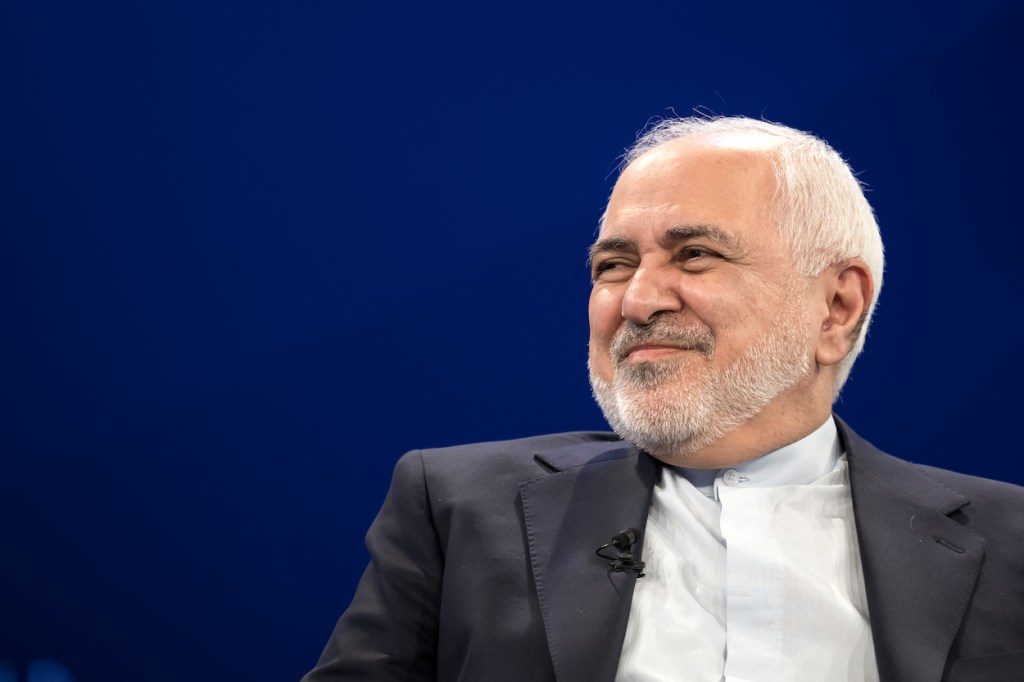
That’s the second point to come out of the press conference. There’s not just uncertainty about whether the Iranian negotiators will agree to America’s fundamental demands, there’s uncertainty about whether they can deliver on anything they do agree to. President Trump pointed to those problems, without stating them directly, when he noted that the Iranians have trouble communicating with each other, given the extensive destruction of their communication systems. An even more troubling sign for any negotiated solution is that Iran’s team has refused to meet directly with the Americans.
Trump‘s final point about the negotiations was to reiterate his threat to inflict unprecedented destruction on Iran if a deal is not reached by 8pm Tuesday night. What makes that threat powerful is that it is both detailed and credible. The detail was Trump‘s focus on destroying ‘s Iran’s power plants and bridges. The credibility is based on this president’s past performance. No one doubts the American military capacity to destroy those assets or Trump‘s willingness to do so if the Iranian regime rejects a negotiated solution.
The press conference ended on a somber, angry note as President Trump listed chapter and verse on how America’s traditional allies in both Europe and Asia have abandoned America in this fight. Their narrow self interestedness is certain to meet with a harsh response from Trump after the war has concluded. Indeed, it puts the future of NATO in doubt.
But the most immediate doubts surround the next stage in the Iran war – not only what the US military can do, but what Iran can do to its neighbors and to the transit of global oil supplies. That’s why Trump‘s deadline is vital. What happens starting Tuesday night is the most consequential American engagement abroad since the end of the Cold War.


Comments