Paolo Sorrentino’s La Grazia is about an ageing Italian president who is coming to the end of his seven-year term, and must reflect on decisions made, decisions yet to be made and the moral complexities of life. Unusually for Sorrentino, who has a liking for the showy – Hand of God, The Great Beauty, Il Divo and, for television, The New Pope – this is sober, melancholic and elegiac, and possibly the better for it. Plus, it stars Toni Servillo, which is always a win. I’ve just checked his back-catalogue and can confirm: always, always, always a win.
I’ve made him sound as exciting and personality-free as Keir Starmer, which isn’t fair
Servillo, who has starred in several of Sorrentino’s films and has a mesmerisingly hangdog, Walter Matthau quality, plays the president, Mariano De Santis. Italian presidents, I now know, don’t have real power (that lies with the prime minister) but it’s not a purely ceremonial role. He has to sign bills passed by parliament to enshrine them in law and pardons are also within his remit. He is due to leave in six months and still on his desk is a bill legalising euthanasia and two possible pardons – one for a woman who stabbed her violent husband to death in his sleep and another for a professor who murdered his Alzheimer’s-stricken wife.
De Santis is that rare thing, a politician driven by conscience. His nickname, he discovers, is ‘reinforced concrete’ because he does not bend or crack. He is beloved by the public; his staff treat him with affection. His forceful lawyer daughter (Anna Ferzetti), who keeps urging him to sign off on all his unfinished business, however, finds him frustrating. When does thoughtfulness become paralysis or demonstrate a lack of courage? I’ve made him sound as exciting and personality-free as Keir Starmer, which isn’t fair. He smokes secretly by night on a rooftop, spars with an outrageous childhood friend and as he walks corridors or wanders Rome, listens constantly to techno.
He deeply misses his late wife, but is also tormented by the fact that she once had an affair. Who was it with? He has his suspicions. Can ethics survive sexual jealousy? That’s it as far as narrative propulsion goes and it’s enough.
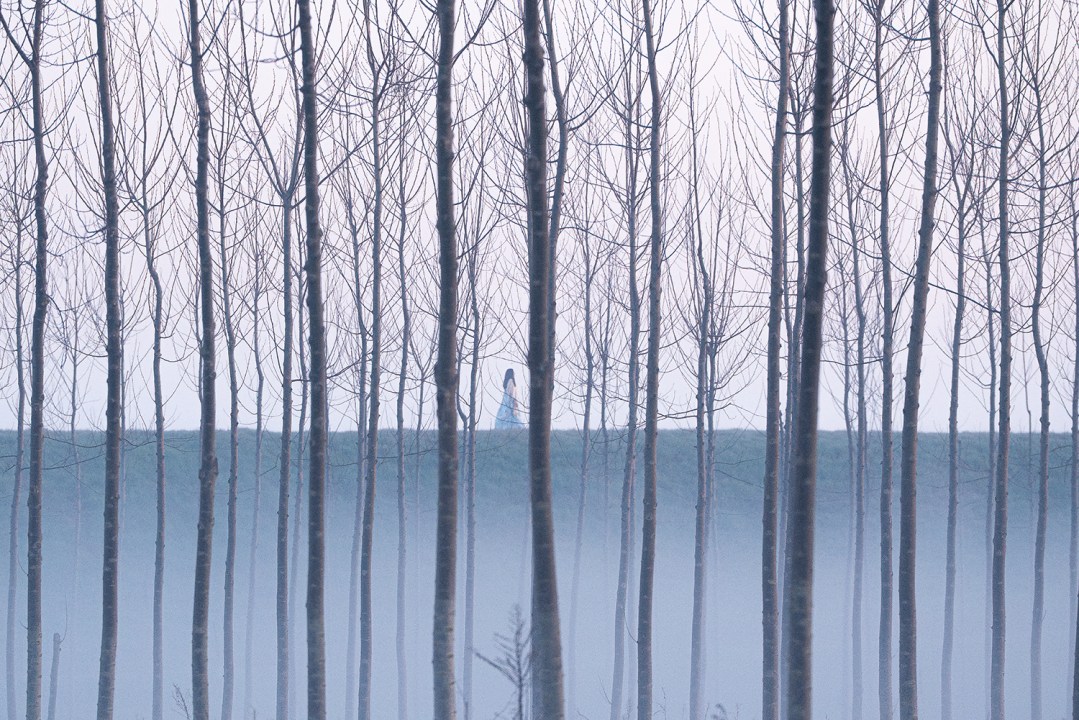
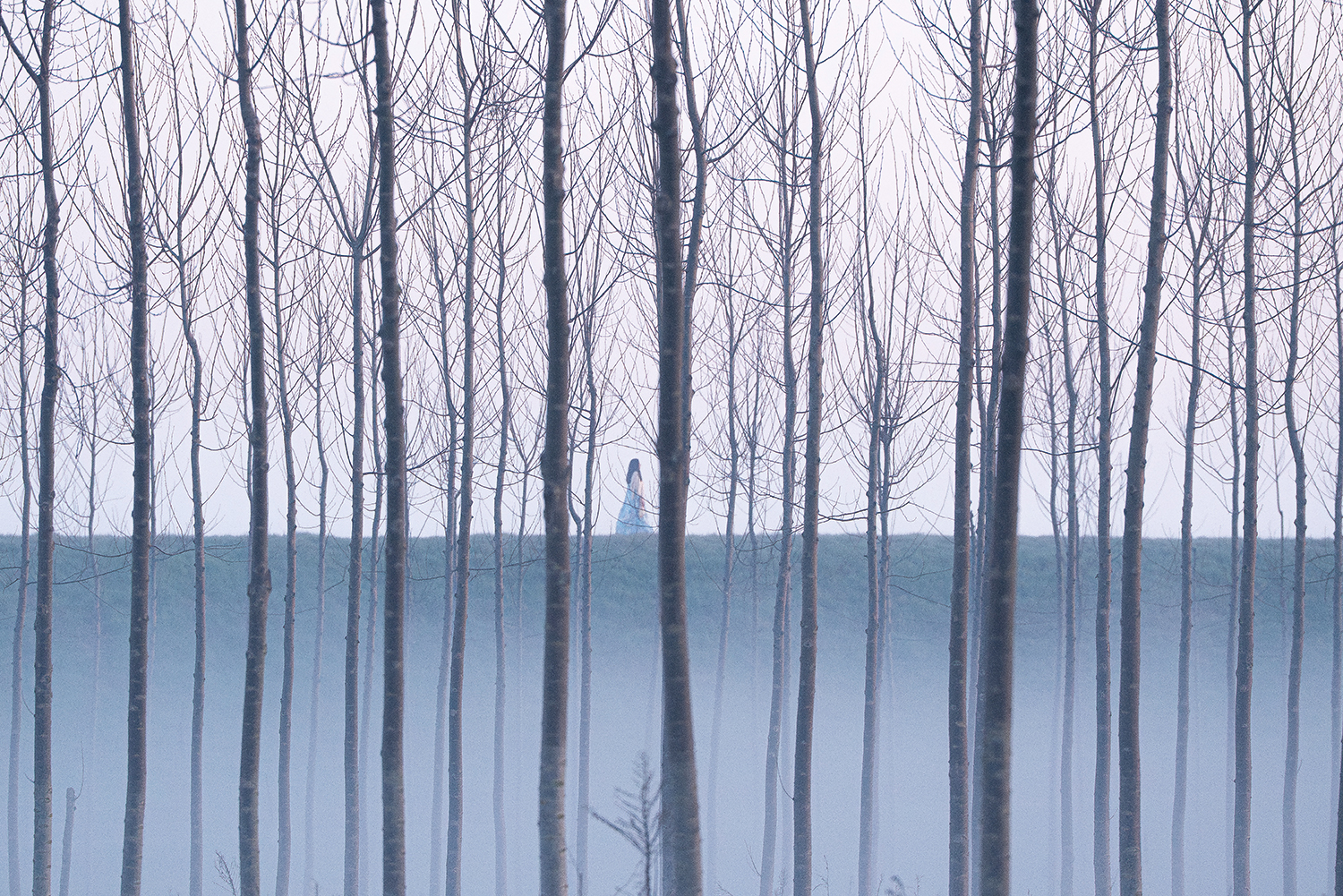
The film is beautiful, painterly, with one fantastic visual composition after another. Scenes mostly play out in the quiet, widescreen rooms of the Quirinal Palace, where golden sunlight filtering in from a window will simply illuminate a particular piece of furniture or artefact. (As a shallow person, I was as much interested in the sofas and coffee sets as I was in the politics.)
Things are episodic. De Santis greets a Portuguese dignitary, checks in with an astronaut in space whose tears flow upwards, considers his favourite horse who is dying. There are some terrific lines. He has meetings with the Pope who will always tell him the truth, as ‘lies are for country priests’. There is, alas, one jarring scene when he meets the hot, female Lithuanian prime minister, which seems most improbable, like an old man’s wet dream. But to be fair, he is lonely.
Servillo gives the film its heart. His performance is never theatrical, quite the opposite. But every pause, hesitation, silence, speaks volumes about his character’s burdens. That face does its work. It’s a face that cannot bore. What does it all add up to? I suppose it’s saying that there are no tidy answers or, as he puts it when faced with that euthanasia bill: ‘If I don’t sign I’m a torturer and if I do I’m a murderer.’





Comments