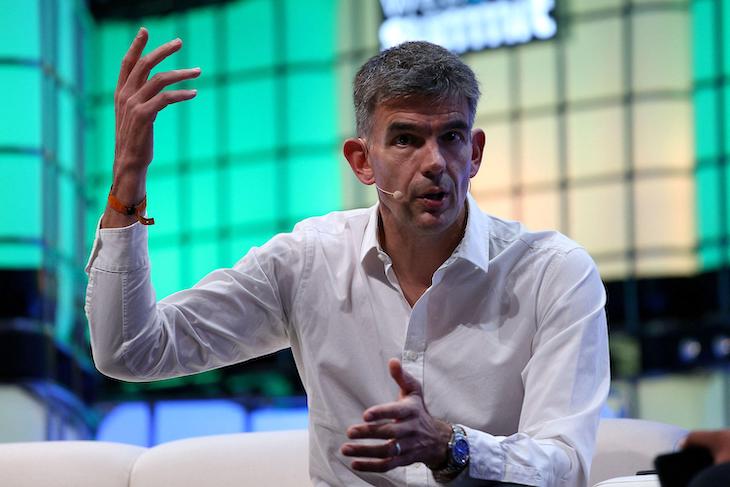
So farewell then Tim Davie with your spotless white trainers, on-message management speak and complete lack of journalistic nous. And hello Matt Brittin, the new Director General of the BBC, a job which may just be The Most Impossible In The World.
To survive, the BBC is going to have to adapt, big time
Unlike those other two all-time difficult gigs, Prime Minister and England football manager, there are no potential big wins like wars and World Cups, only potential catastrophes.
The Hutton Inquiry of 2004 (more of which later) was, for some, the most damaging episode in BBC history. But then came the Jimmy Savile revelations. And the Martin Bashir interview with Princess Diana. And the Huw Edwards scandal. And the Hamas-sponsored documentary. And the dodgy Trump Panorama edit. You get my drift.
Will Matt Brittin’s reign end with a similar catastrophe? Yes, according to a Times editorial this week, which asked the question “what could possibly go wrong?”
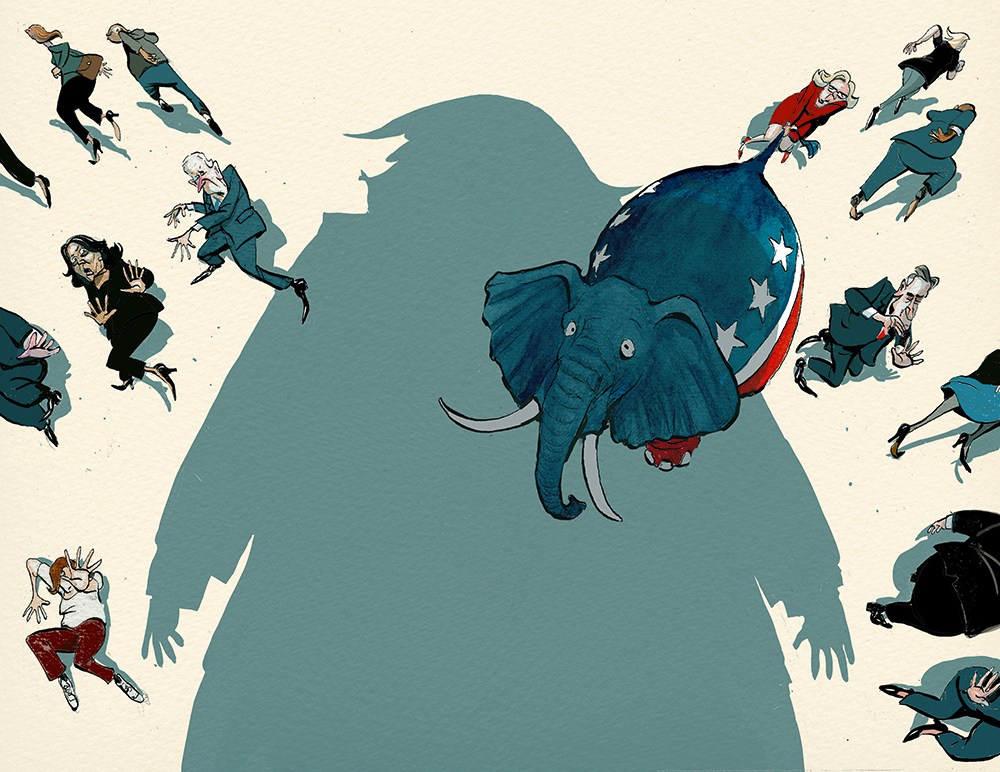
The answer, it argued, was everything: Brittin, a former Google exec, is a tech bro with no broadcasting experience who has never worked in a newsroom or made a TV programme. So his appointment was ‘baffling, to the point of idiocy.”
But, say colleagues, you only have to look at three of the biggest issues facing the BBC – the power of the streamers, how people access content, and the curse of misinformation – to see why his appointment makes perfect sense. This was his daily bread and butter during nearly 20 years at Google.
But how will he cope with the Panorama–style landmines in his path? If Brittin is smart he will minimise the danger – to himself – by finding someone else willing to be blown to bits when the shit hits the fan.
That will probably be the current interim DG, Rhodri Talfan Davies, about whom little is known apart from the fact that he’s Welsh. Davies’ job – Deputy Director General – will, like Morgan McSweeney’s, will be to see round corners. To identify scandals before they happen. Let us hope, for Brittin’s sake, that Rhodri makes a better fist of it than Morgan.
After that, it will be about two things: the politics and the vision.
Politics first. It won’t just be about getting on with the government of the day. Brittin will have to take the workforce with him. But he must also be willing to embrace unpopularity. The job isn’t about being liked. Indeed the most popular DG of modern times, Greg Dyke, was also, arguably, the most disastrous.
Good old Uncle Greg – catchphrase: “let’s cut the crap!” – was so keen to be seen as a people’s champion that he picked a fight he should have known he was never going to win. He squared up to the government over the Dodgy Dossier and started a willy waving contest when he could have kicked the thing into the long grass by holding an internal inquiry and then quietly admitting, months later, that the BBC had made a mistake, albeit a relatively piffling one. The resulting Hutton Inquiry cost him his job.
So which of those two Directors General will the new boy most resemble?
By contrast, the most successful DG of modern times, John Birt, was the most hated. Why? Because he knew that in order to be survive, the BBC needed stiff medicine.
That’s why he ended the gravy train which allowed piss-taking producers to spend several years, and millions of our pounds, making barely watched documentaries about things like Mongolian throat singing. (I am not exaggerating). He also rebooted its journalism by appointing specialists instead of embarrassingly knowledge-deficient generalist reporters (I should know – I was one of them). And, crucially, he prepared the BBC for the digital age by recognising the potential of something called the internet.
Hence his sub-Keir Starmer popularity ratings. Being a charmless, croak voiced Dalek didn’t help of course. But you cannot transform an institution – and that’s what Brittin is going to have to do – without upsetting people.
So which of those two Directors General will the new boy most resemble? “Frankly, a bit of both” says a former BBC executive who worked closely with him at Google.
“He has Dyke’s people skills but, like Birt, he’s also strong on analysis and detail. He won’t shy away from making big decisions but will aim to take people with him. He’s very unusual in that respect: a tech bro who’s good at the people thing.”
Which brings us on to the vision thing. To survive, the BBC is going to have to adapt, big time. The arguments for scrapping the licence fee will only get louder. Currently, disastrously few 16- to 24-year-olds – tomorrow’s licence fee payers – watch the BBC. Ofcom says they spend just five per cent of their viewing time with the BBC, compared to 34 per cent for things like YouTube and TikTok. It will be difficult to argue we should be forced to pay £174.50 a year and rising if that trend continues.

Might subscription take its place? Over to you, Matt. Making it work would be fiendishly difficult. How much should people pay? What if they stop paying? Should adverts be part of the package?
Then there’s the issue of consolidation. Should the BBC join forces with another public service broadcaster like Channel 4? Once, such a partnership was unthinkable. But now it’s very much on the table. A recent Department for Digital, Culture, Media and Sport report argued that consolidation could “transform the UK’s creative sector, boost audiences and provide much needed financial stability.” But how would that work? Again: over to you, Matt.
A successful DG needs to be wise, politically astute and, above all, lucky. Superman, basically. Who, appropriately enough, Brittin just happens to resemble. Picture him in blue tights, red pants and a cape and you’ll see what I mean.
But how will he cope with the Kryptonite? That is the question. Good luck, Matt. You’re going to need it.
Book your tickets for BBC: defund or defend?, a Spectator debate with Michael Gove, Charles Moore, Allison Pearson and Jon Sopel here





Comments