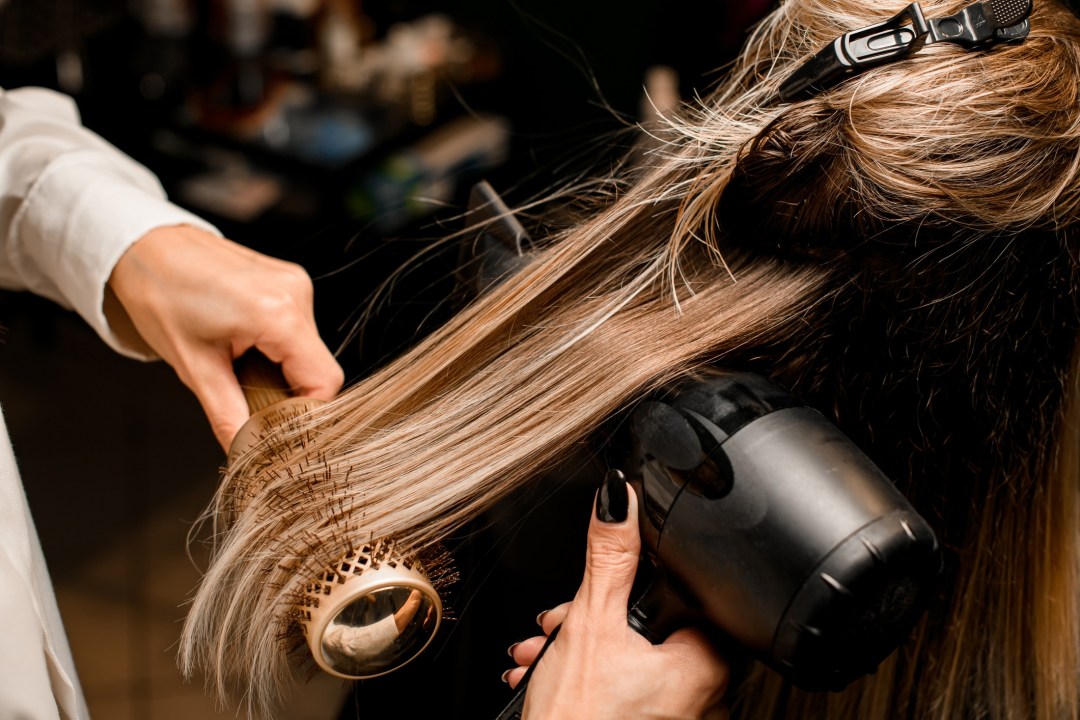
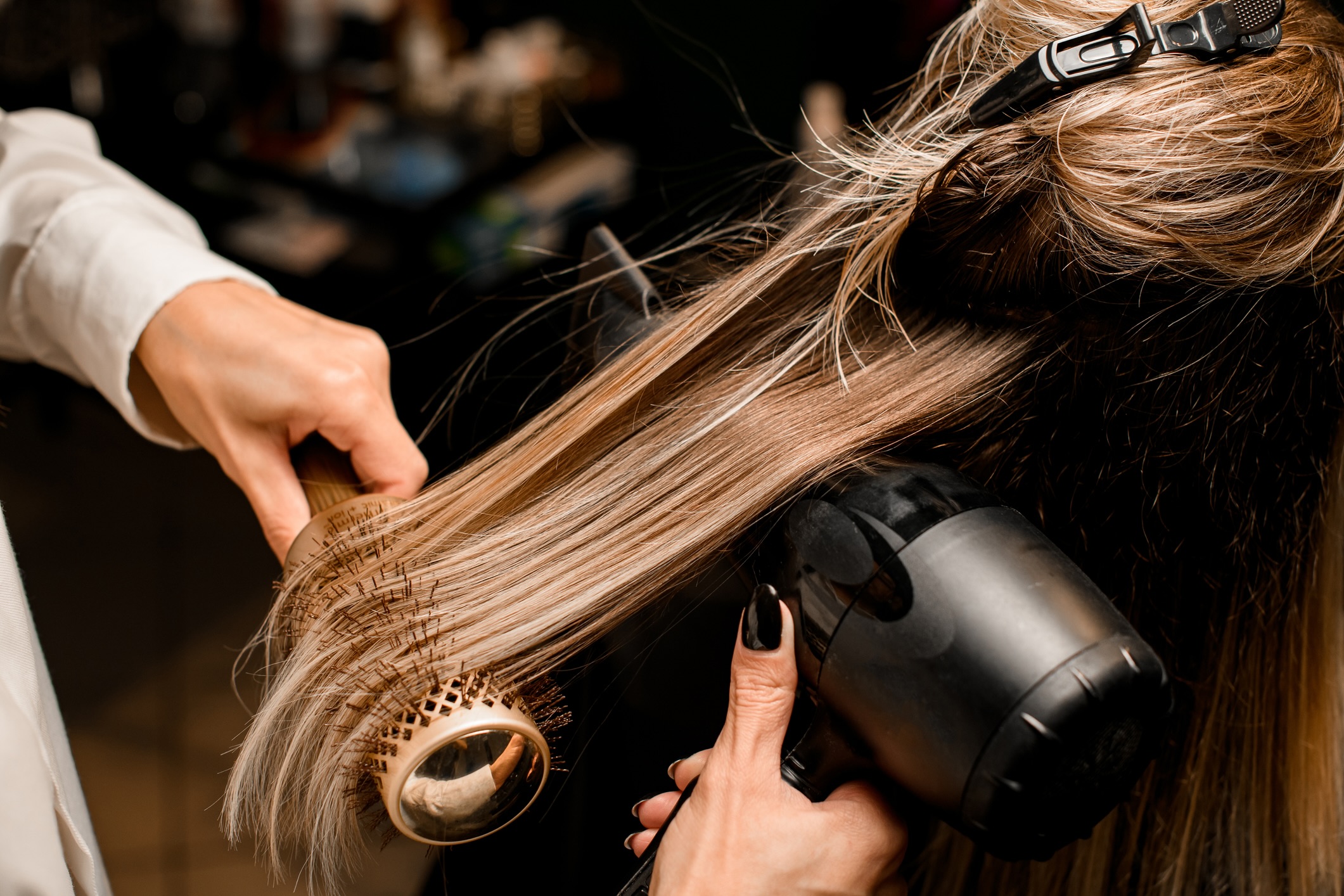
You know what I want with a haircut? Silence. I want the hairdresser to keep his or her eyes on the scissors and not get distracted by conversation. I want to know that, during the crucial period when it could all go horribly wrong, the man or woman at the back is concentrating. I like having a conversation with hairdressers, who are generally interesting people, but I just don’t want it while they’re working. I was rather impressed by Leslie Cavendish, The Beatles’ hairdresser, who was on Michael Berkeley’s Private Passions series recently and made clear that at Vidal Sassoon’s salon in the 1960s, the Trappist approach was preferred during cuts. It was the same when I visited the legendary Leonard Lewis, creator of the pageboy hairstyle, who wouldn’t say a word while he was combing, then cutting.

So I was rather excited when I got to try something called an ‘energy haircut’, offered by Sabrina of the very fashionable Hari’s salon in London. Its website describes it as a ‘three-step ceremony… designed to restore alignment between hair, body and mind’. Or, more alarmingly, as a Japanese sabre cut.
There was something thrilling about a sabre haircut. I had the notion of someone swinging a blade over my head then slicing expertly through the hair, being expert enough to avoid vital arteries.
Actually, the 90-minute haircut was more like therapy than a Samurai attack. It does involve a 10cm Japanese blade – dipped in water in a silver Tibetan bowl. Sabrina, who is French, got me to hold it in silence while thinking about something in my life I want to change. It happens through the haircut, see? Then, not only do you keep your trap shut (for this entails silence on your part too), you have to close your eyes while Sabrina runs the blade down the strands, cutting a little at the end. It feels like she’s hacking off hair about an inch from your scalp but in fact she doesn’t take much off. Naturally I peeped and found there wasn’t a lot of cutting, but lots of concentration. As she observed after the event, when you’re holding something that sharp, you need to focus.
Anyway, like I said, this was therapy as much as a cut. I was very taken by the ‘cranial energy massage’ at the start, which is as it sounds: sort of manipulating the scalp. I get far too little of this sort of thing in my life. I want every hair session to include one, though if truth be told, it was more relaxing than energising. The cut is meant to release negativity. Then, as the final step, she strokes the hair with a blunt blade, which is meant to open you up to new possibilities. As far as Sabrina is concerned, hair isn’t dead protein but registers experiences that happen to you during the time it’s growing, which may be true.
I like having a conversation with hairdressers, who are generally interesting people, but I just don’t want it while they’re working
Alas, it didn’t work on me. I’m useless at this sort of thing, though some people apparently burst into tears during the process. She did say that the hair was more resistant on my right, ‘masculine’ side than my left, which suggests all sorts of things about my yin and yang. But what I did like was that she said she was present to the hair. By way of a bonus, I got a decorative bag of my hair trimmings to take home in case I wanted to meditate with them. Needless to say, this occasioned much comment among my family.
As I say, I didn’t get much from the therapeutic aspect of the treatment unlike some people who apparently find it transformative. So they should do at £350. But I returned to the salon for a normal haircut and, again, Sabrina told me that, while she was cutting the hair, she wouldn’t talk and neither should I. She wanted, she said, to be present and responsive to my hair. The upshot was a very good cut.
So, even if an ‘energy haircut’ isn’t your bag, a silent haircut should be. The moral of all this is: don’t distract your hairdresser at work. Your hair may be trying to tell them something.





Comments