Nostalgia grows with age. Inevitably so: years lengthen and with them memories, sometimes, alas, involving departed friends. In my case, this is often interlinked with memorable departed bottles. I had the good fortune to spend a lot of 1980 in Washington where everything seemed to be going right. London was more problematic. The Thatcher government was enmeshed in travails and it was not clear that she would find a way through. Oh me of little faith: she did, thank God.
I sometimes thought Thomas Jefferson had been the last American to know anything about wine
In those years, Britain was used to travails and habituated to pessimism. Things could always get worse. Not in the States. I was struck by the unwritten first item in the Bill of Rights; that this year shall be better than last year while next year will be better than this year. That was why all my Republican friends – which meant all my American friends – were confident that Ronald Reagan would win and Jimmy Carter would lose. Reagan made Americans feel good about themselves. For him, it was always good morning in America. Carter came across as a misery-guts corn-pone preacher who seemed to enjoy bad news, with a hint of hellfire.
In those days, the pound was strong – North Sea oil – and knowledge of wine was thinly spread in the US. So there were bargains. Americans tended to believe that newer meant better. That may apply in many spheres, but not with Bordeaux or Burgundy. I found one Washington restaurant with a small cache of 1959 Riche-bourg. They were delighted when I graciously agreed to take it off their hands for, I think, 20 bucks a bottle. Equally, the town had barely discovered Californian wine. When I persuaded restaurateurs to rummage in their cellar and find bottles old enough to drink, they would smile tolerantly at this limey’s eccentricity, apologising that they had no vintages from before the War of Independence. I sometimes thought Thomas Jefferson had been the last American who had known anything about wine.

Wonderful times, while they lasted. Eighteen months later, the Reagan-ites hit town. With their encouragement, Washington discovered Californian wine – and the pound collapsed into parity. That was my first serious outbreak of nostalgia, though at least Margaret Thatcher was winning.
During the 1980s, I spent time in South Africa. The Cape vineyards produced some good bottles, especially Cabernet Sauvignon. I passed many an evening in Stellenbosch gardens, drinking many a glass while we tried to plan a new constitutional dispensation. All my South African friends knew intellectually that there had to be change, though their heads were sometimes leading their hearts. They sought change without chaos, gently reminding visitors that their ancestors had built the country. I was happy to risk liberals’ disapproval by sympathising with them.
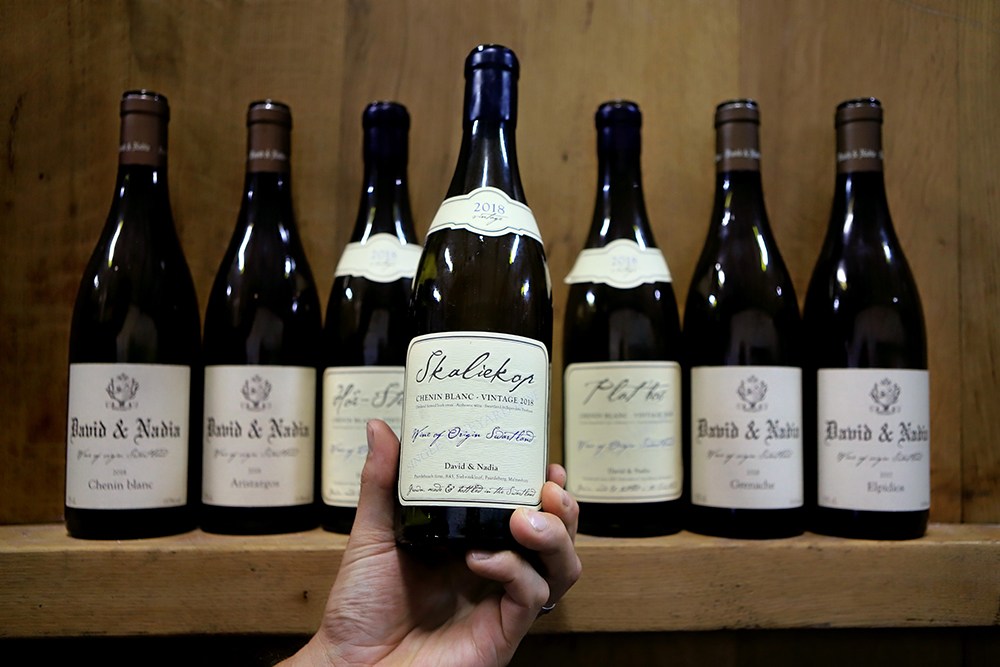
Well, F.W. de Klerk realised that there was no point in fancy planning. There had to be one man, one vote. This has indeed meant a fair degree of chaos. We shall see whether that is curable. But in one respect, matters are better. Because of investment and export markets, South African wine has improved. This is especially true in a relatively new wine-growing area, Swartland. Look out for bottles from David and Nadia, who produce red blends drawing heavily on Pinotage, a classic South African varietal. Although I still feel nostalgia for the years of debate, the wine industry does give grounds for cautious hope.




Comments