How religious is Britain? Last week the Bible Society was forced to pull their report into the ‘Quiet Revival’ of Christianity, which was published last year, after YouGov found their polling used faulty data. This report gained significant attention and was the basis of much inquiry in 2025 – including from The Spectator, through our Holy Smoke podcast.
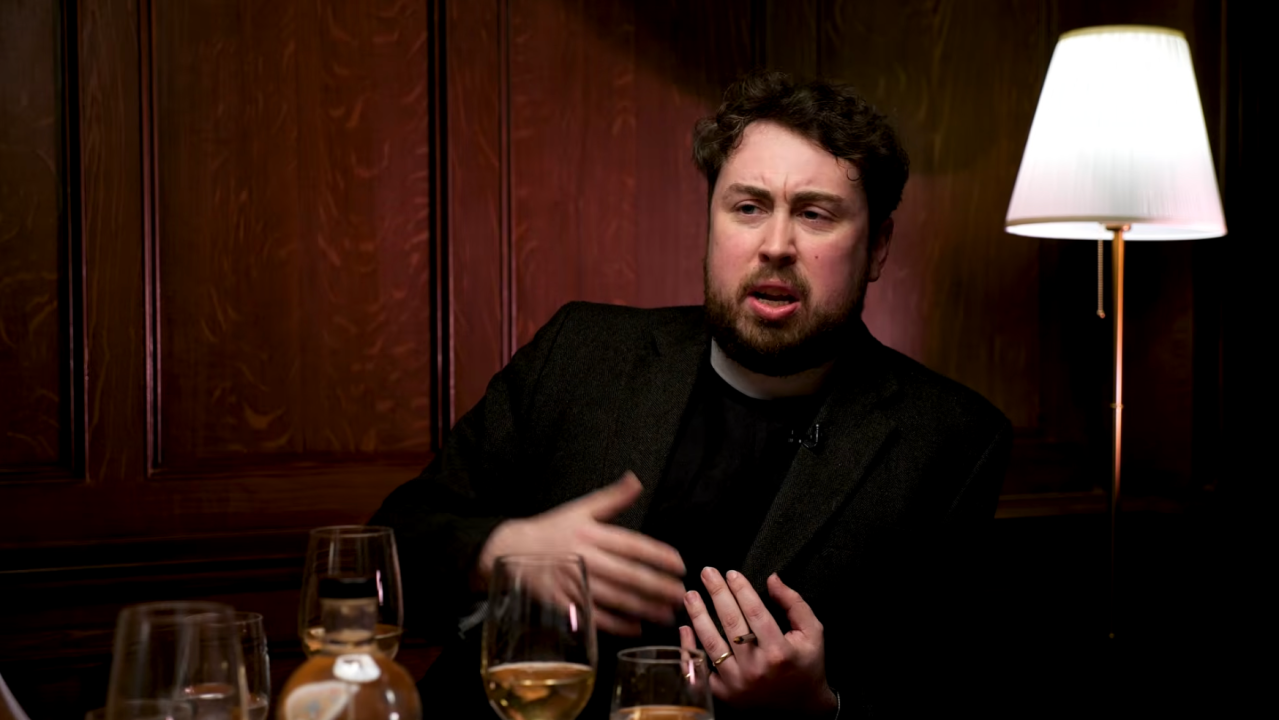
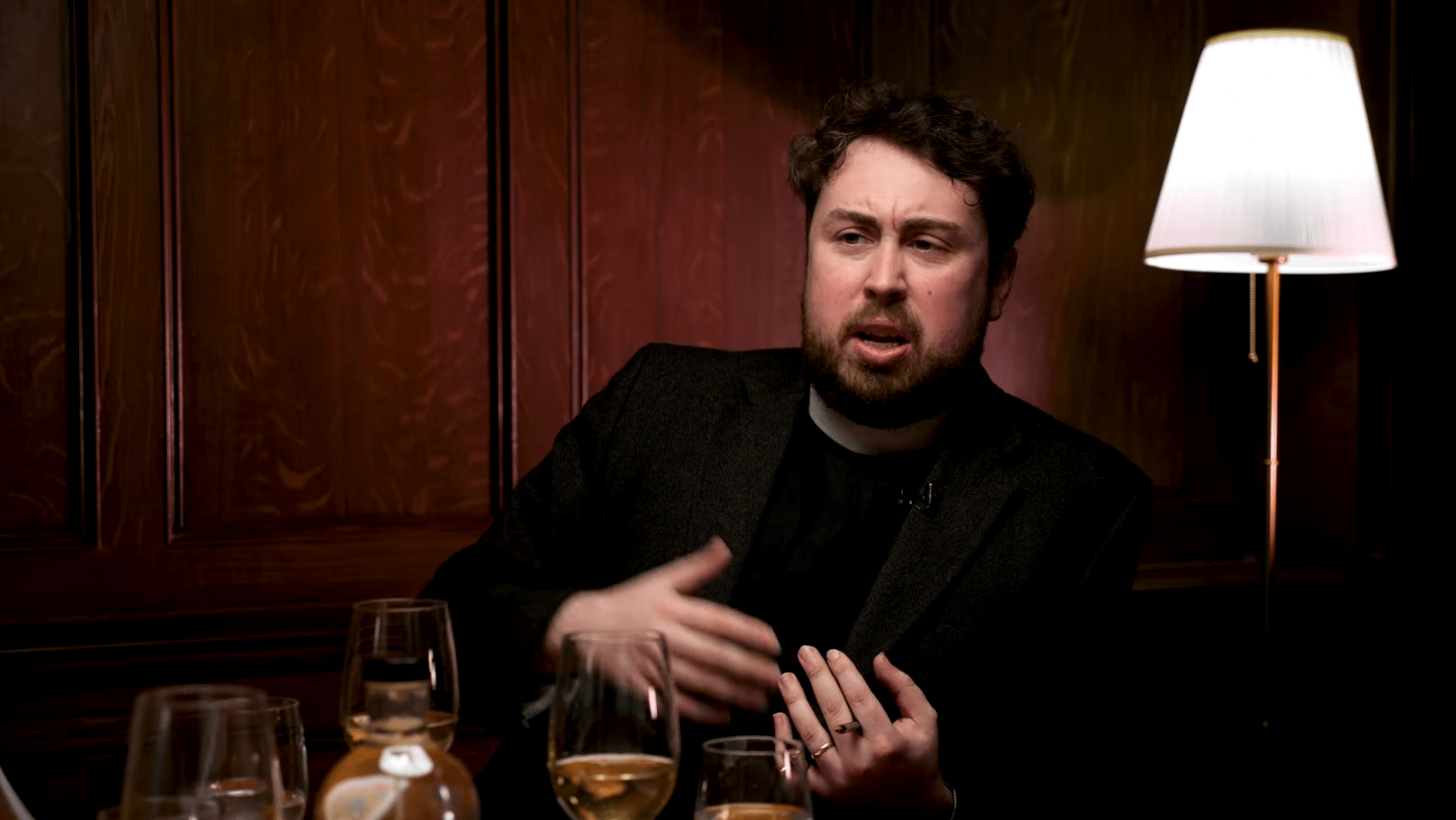
The Spectator has a number of broadcasts this Easter that explore religious faith in Britain. The first is our weekly Edition podcast, where this week Lara Prendergast is joined by Anglican priest Fergus Butler-Gallie, the historian Tom Holland and former Supreme Court Justice Jonathan Sumption. They start by discussing our latest cover article, written by Madeline Grant. Maddie says that the next election may be the most religious in Britain for generations.
Fergus takes listeners through a quick history of explicitly religious British elections, from the 1710 ‘Church in Danger’ election to the 1874 general election which took place following the disestablishment of the Church of Ireland. While religion today may not be as influential as in thoseday, Fergus agrees with Madeline, suggesting that 2029 may be seen as the modern British election with the most overtly religious themes since Thatcher’s 1979 and 1982 elections.
So why is faith re-emerging as a live political issue? Tom suggests that contemporary interest in forms of traditional worship are, in part, a reaction to ‘an anaemic form of post-Christianity’ which he argues emerged in the 1960s. Reform and the Green Party, he says, are enjoying success because, on subjects like immigration and Islam, they are ‘willing to go there’ and their voters reward them for what they see as an ‘overt’ morality underpinning their messages. Fergus saysthere is a ‘moral energy’ to Reform and the Greens party. Have Labour and the Tories ceded the moral ground for fearing to offend?
Jonathan, however, argues that ‘politics has always been religious’, pointing to what he sees as the ‘anomaly’ of the bishops in the House of Lords. The public-at-large, he says, have always searched for a moral code through a source of authority – for example the monarchy. Tom agrees, arguing that the late Queen was ‘the most effective prosthetiser’ for Christianity. They all agree however that there is a clear appetite from the public for mystery, a ‘call for the divine’.
Taking advantage of this environment is the subject of another offering from The Spectator, where advertising guru Rory Sutherland – our ‘Wiki Man’ – discusses how to sell Christianity to audiences with Damian Thompson.
Rory and Damian talk about the differences between Christian denominations, with evangelicalism flourishing in part because it has a built-in ‘aggressive’ sales function. They point out that, regardless of a belief in God, spiritual discipline often accompanies religiosity. So, Rory points out, just as driving can make you a better person (by thinking regularly about other drivers), religious people are often happier and more prosperous. Some studies suggest religious people are less likely to be alcoholics.
There are signs that some pockets of Christianity are flourishing in Britain, and this is the subject of our third Easter broadcast offering. On Holy Smoke, Justin Brierley, the founder of Think Faith, spoke with Damian about how, even though declarations of a ‘Quiet Revival’ might have been false, there are grounds for optimism.
While the Quiet Revival story might not be what it seemed, Justin says that doesn’t mean that nothing is happening. There are signs, at least, that the recent decline in religious adherence is slowing.





Comments