The new series of Who Do You Think You Are? premieres tonight on BBC One. The first episode is about the ancestors of the television presenter Zoe Ball. I adore the schadenfreude of witnessing a wincing luvvie discover their ancestor was an irredeemable scumbag. My family are not free of moral stain. Court records attest that my great-great-grandfather, a publican from South Wales, once furnished a pint of beer to a punter outside licensed hours. The devil!
My late grandparents, straightforward Welsh Methodists, never told me about lawbreakers in the family. News that one of us might have been a bit dodgy back in the day shook me. I told the story to an acquaintance, which prompted some drastic perspective: ‘At least you haven’t got Hitler in your family.’ Indeed, some people do.
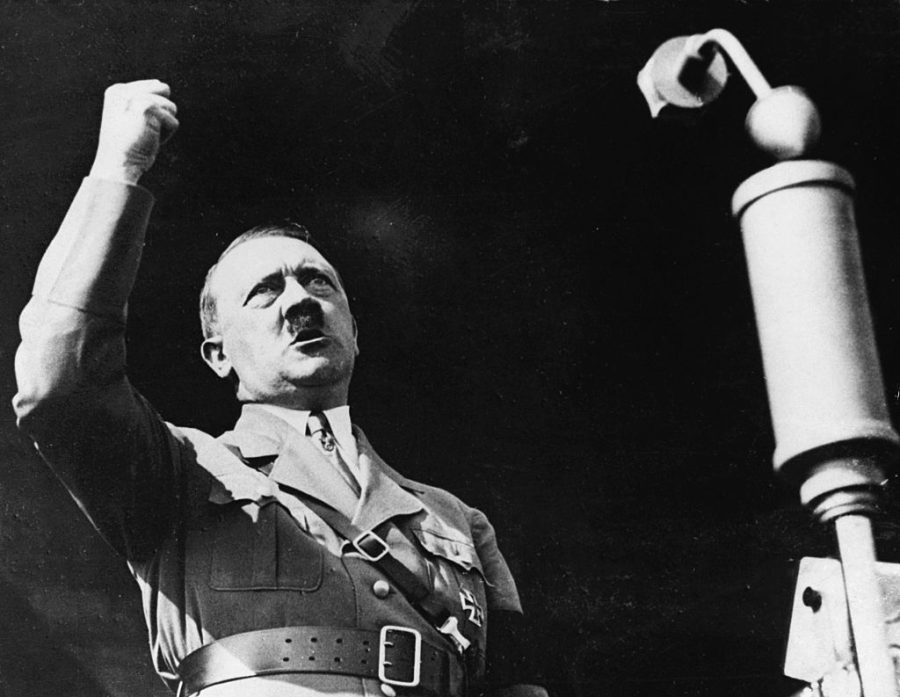
Adolf Hitler died childless, but he had half-siblings who reproduced – his half-brother, Alois Hitler Jr., and half-sister, Angela Hitler. Alois was the father of Liverpool-born William Patrick, who changed his name to William Stuart-Houston after the war. Peculiarly, none of Stuart-Houston’s four sons had children, and three never married.
We look to the past to explain the failures and successes of the present
In his book The Last of the Hitlers, journalist David Gardner exposed the quiet, collective opt-out of Adolf’s remaining kin. There was no dramatic, blood-signed pact, Gardner noted, but rather a mutual recognition of ‘the burden they’ve had in the background of their lives’. They reportedly chose to let the line die with them.
And they weren’t the only branch to choose this. Angela Hitler’s grandchildren, Peter Raubal and Heiner Hochegger, neither married nor had children. Whilst we don’t know their reasoning, they nonetheless held the same fate as their cousins.
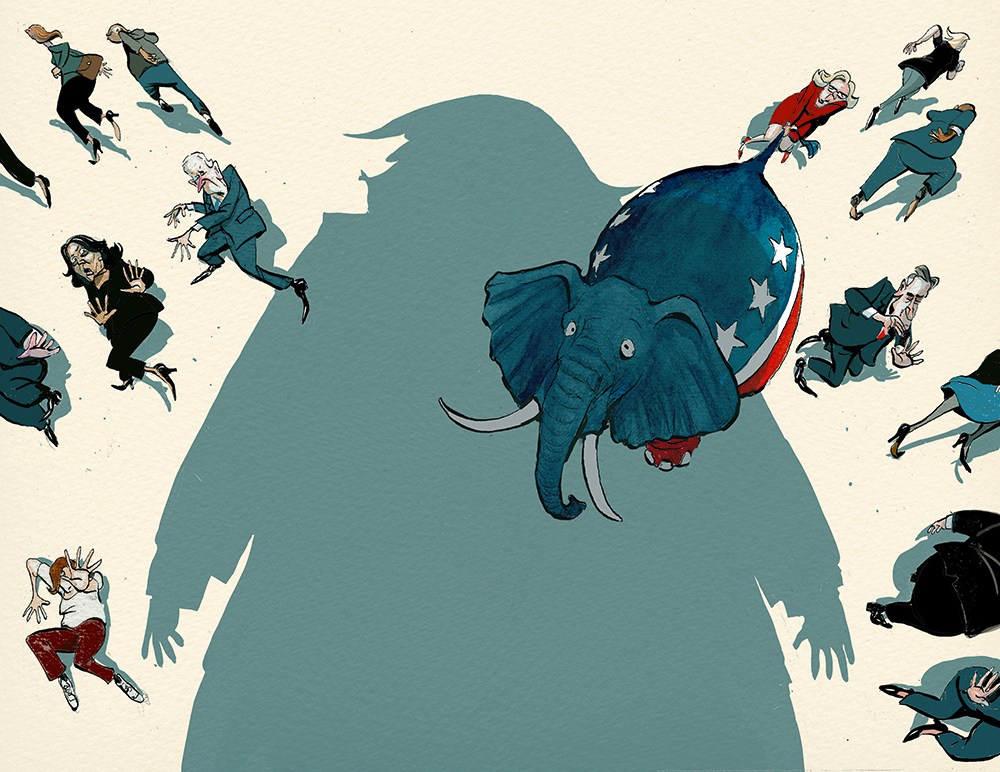
There is a distinct whiff of biological determinism here – an irony, given that it’s a thoroughly Hitlerian belief. It implies that sharing genes with the toothbrush-moustached despot carries a hereditary predisposition toward goosestepping and genocide. History, not heredity, made the dictator. Had the world been different, he might have lived the life of an obscure, mediocre landscape painter.
The Hitlers weren’t alone in trying to prune their family tree; the anxiety ran even deeper in the Göring bloodline. The great-niece and great-nephew of Luftwaffe chief Hermann Göring chose to be medically sterilised.
Yet, the siblings were equally related to Hermann’s brother, Albert Göring, who operated an underground anti-Nazi resistance cell. He falsified travel documents and forged his brother’s signature to release political and Jewish prisoners from concentration camps. Whenever Albert had the Gestapo breathing down his neck, Hermann would bail him out – a bizarre, fraternal loop of a villain shielding a hero. The Göring brothers grew up in the same castles, born to the same parents, yet they represent the perfect moral coin toss.
This modern anxiety over our ancestors is a secular rebranding of the concept of original sin. We no longer believe the sins of the father are visited upon the sons by a wrathful deity, so instead, we worry they are passed down via DNA.
We look to the past to explain the failures and successes of the present. If our ancestor was a hero, we take unearned credit; if they were a villain, we carry unearned shame. We treat genealogy like a crystal ball, forgetting that a family tree is a list of strangers who merely passed the torch of existence down to us.
One day, when my daughter is old enough to understand, I will tell her about her pint-pulling forebear. I just hope she doesn’t take it to heart and think that it gave her a genetic predisposition for breaking licensing laws.




Comments