
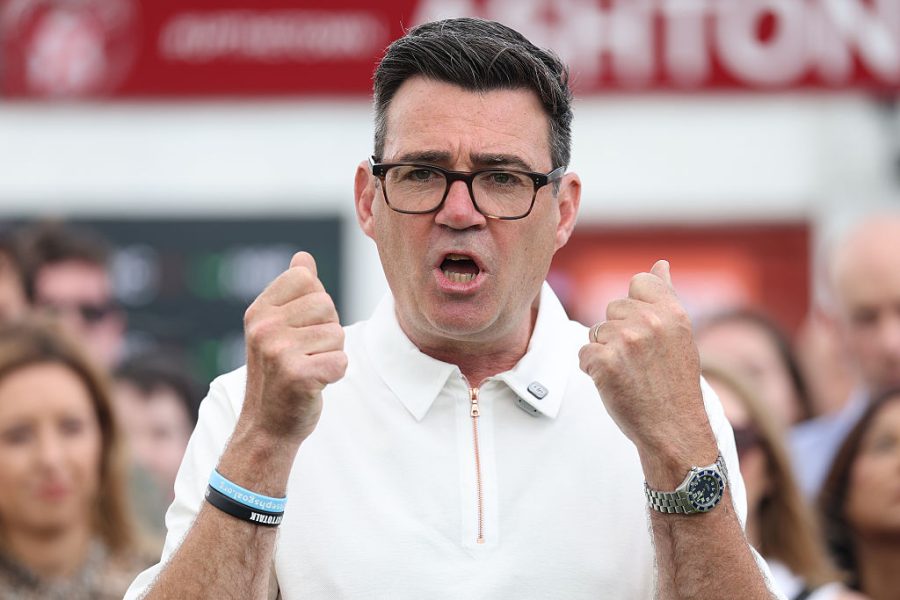
Loss avoidance is one of the strongest forces in the world. It’s a fundamental of human nature – and therefore politics – that once we’ve been given something, we don’t easily give it up. It follows that in politics, it’s much easier to give people something than it is to take it away. Just ask Keir Starmer and Rachel Reeves, who tried to take away a slice of the winter fuel allowance that Gordon Brown gave pensioners in the 1990s. The resulting fury helped doom Starmer.
This is the grim background to the talk that Andy Burnham might look again at the triple lock, the coalition-era policy of increasing the state pension by the highest of earnings, inflation or 2.5 per cent. Some of the very smart economists who are advising Burnham are telling him – rightly – that the policy is a millstone around the neck of the British state. This is not the first time this debate has been had, and I fear it will not be the last.
The triple lock is arguably the perfect test of both Burnham and politics in general. It’s a symbol of how the system – again and again – does stuff that everyone responsible knows is stupid yet doesn’t change. Across the board, politicians know the triple lock is unsustainable and part of our structural problem that locks in ever higher spending, meaning the state can’t do other stuff. Yet across the board, they back away from changing it.
Can Burnham succeed in a lion’s den that even Farage fled?
That structural problem is that we are committed to stuff that means ever higher spending, regardless of whether our economy is growing fast enough to generate the taxes that pay for that stuff.
The triple lock embodies this problem. It – as the name suggests – locks the state into higher spending on the state pension, regardless of how much money the state is raising in tax. The increasing cost of the triple lock is one of the reasons we’re spending more than £100 billion a year on debt interest.
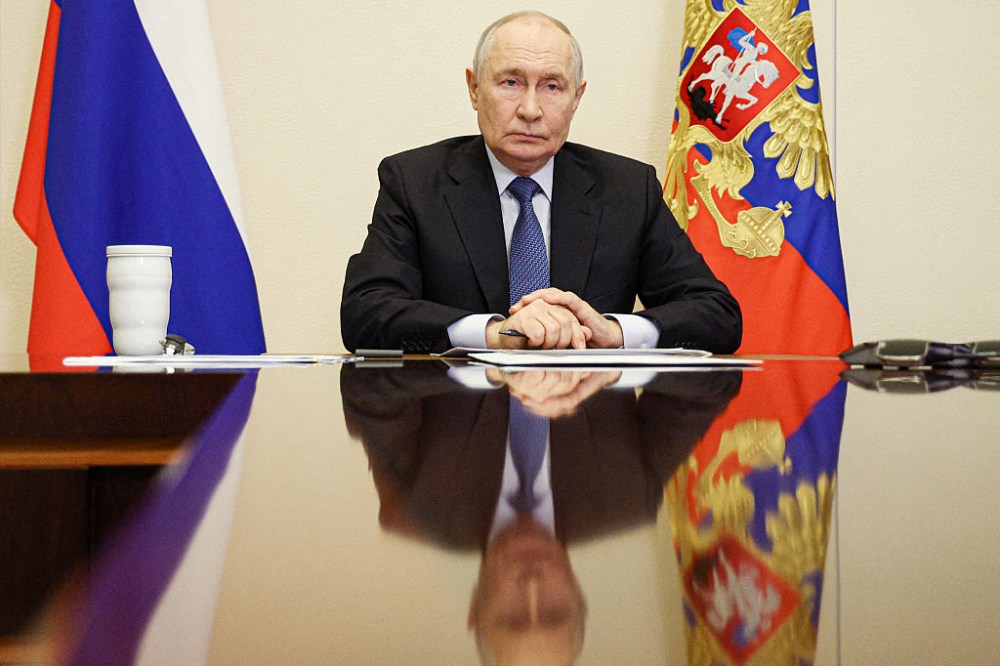
Worse, it’s an unpredictable increase too. As anyone who’s run a business knows, unpredictable future costs are a nightmare for planning and operations.
The painful numbers are worth repeating here. The Office for Budget Responsibility says the triple lock is already costing far more than expected: by 2029-30, it will add around £15.5 billion a year to state pension spending compared with uprating pensions in line with earnings alone. On current rates, state pension spending will rise from about 5 per cent of GDP today to 7.7 per cent by the early 2070s, with the triple lock responsible for more of that increase than demographics alone.
The Institute for Fiscal Studies reckons the lock could cost anywhere between £5 billion and £40 billion a year by 2050 compared with earnings indexation. Every one of those pounds is a pound that can’t be spent on, say, the armed forces. When Russia is a genuine threat to British interests and the US cannot be relied upon to defend the European continent, this is a dismal allocation of the country’s resources.
Notably, even the Resolution Foundation, the economics thinktank generally aligned with Labour thinking, has joined the anti-triple-lock chorus. They have argued that the policy is an expensive and extremely inefficient answer to pensioner poverty that is, in any case, less of a worry than poverty among working-age people, especially parents.
Away from wonkland, the blunt fact for the public is that the triple lock, by making the state pension ever more expensive, adds to the need to make people wait longer before getting that pension. It’s not the only reason ever-higher state pension ages are needed (demographics matter more) but it is a factor. And while I’m generally in favour of more people working until later in life, I’m also conscious that a higher state pension age falls harder on poorer, sicker and northern people, who tend to die earlier than others.
If Burnham is serious about changing the way politics and government work – and I really hope he is – then the triple lock is a great place to start. But I’m not holding my breath, because the politics are grim. There’s a reason, after all, that politicians of all sorts have looked at the case for change, concluded that the case is sound – then failed utterly to act on that analysis.
The best recent example is, of course, Nigel Farage, the man who has been more able than any other to break political consensus, to say and do the unthinkable. Farage, who literally named his party Reform UK because he believes that the status quo is unsustainable, looked last year at ditching the lock. Then he remembered that there are a lot of pensioners and that they are more likely to vote than other people and decided to leave it untouched.
Can Burnham succeed in a lion’s den that even Farage fled? We can only hope. Burnham has both skills and courage – that’s why he’s going to be PM. He has smart advisers who are telling him it needs to be done.
Perhaps he’s the leader to speak truth to the grey vote, to ask pensioners if they really want to maintain a policy that helps leave their country undefended and condemns their children and grandchildren to more years of work. Perhaps he’s the leader to say and do what pretty much everyone else in politics believes needs to be done, but doesn’t dare do themselves. We can only hope.



Comments