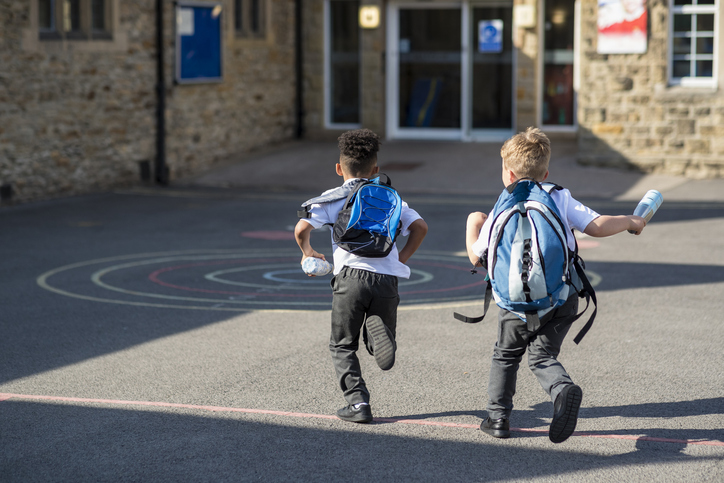
In 2023, I wrote an article about the epidemic of bad behaviour plaguing British schools, blaming screen-obsessed kids and tuned-out parents for the rise in persistent low-level disruption since the pandemic. At the time, almost half of pupils said that they felt unsafe each week because of poor behaviour: a worrying but unsurprising statistic given the rise in permissive parenting styles means that behavioural boundaries are never properly established. Too many children never learn to properly respect teachers because their will always overrides the authority of the adults (or, dare I say it, adult) at home.
Three years on, and little seems to have changed; in fact, things have worsened. In 2024, a survey revealed that 84 per cent of teachers had been victims of physical or verbal abuse in the last 12 months, whilst one in five had been hit or punched by a pupil. In the academic year 2024-25, teachers handed out nearly a million suspensions – again, around a third of these were for physical or verbal assault – whilst more than 10,000 pupils were permanently excluded. Shockingly, nearly 2,000 children were suspended 10 times or more, which is a rise of 448 per cent since 2016-17.
It is particularly terrifying how young some of these suspended pupils are
What is particularly terrifying is how young some of these suspended pupils are. In the 2024-25 autumn term, over 7,000 children under the age of six were suspended. Nearly half of these suspensions were repeat incidents, which is a 64 per cent increase on the previous year. The number of primary school-aged children suspended six or more times in just one term is now the highest since records began, as is the number of primary school children being permanently expelled – a 23 per cent increase on last year. The number of primary school children expelled for physically assaulting adults is also now double what it was in 2022.
I am normally a proponent of the argument that we can only blame lockdowns for so long, but I think it’s important to remember that the children currently in Reception and Year 1 are Covid babies. Born during the pandemic, they have spent the majority of their lives umbilically tethered to screens (over a third will have had a tablet before they started school, whilst a quarter will already own their own smartphone). As a result, many are simply not ready for school.
An increasing number of children are starting school socially underdeveloped: unable to dress themselves or use the toilet properly; unused to eating at a table or holding cutlery; behind on gross motor skills like holding a pencil; and lacking the communication skills needed to be able to take part in lessons and – crucially – behave well.
A quarter of four- and five-year-olds are now not able to use basic language skills like being able to say their name or answer questions. Is it any surprise, then, that the number of five-year-olds being suspended is increasing year on year?
We know that school suspensions and exclusions can impact children for life: 90 per cent of children excluded from primary school will not pass GCSE Maths and English, whilst over 40 per cent of prisoners were permanently excluded from school. We also know that suspensions and exclusions are being cruel to be kind: teachers expending disproportionate amounts of time and energy on the disruptive minority also affects the life chances of the other pupils in the class, who do want to learn.
So what options do we have? Schools can tighten up discipline, as we have seen in super-strict academies like Michaela, but they need parents on board. Education starts at home, and too many parents, afraid to say no to their children or undertake a family digital detox, are still absolving themselves of responsibility. One option could be to follow our European counterparts and start formal schooling later, with a ‘kindergarten stage’ between the ages of 4 and 7, which would allow more emotionally and physically immature children to ‘catch up’ first. More focus on physical play-based learning (which has been lost as children spend less and less time exercising or being outside) would not only help behaviour and school attendance but could help to stem the overdiagnosis of special education needs, particularly amongst summer-born children.
Alternatively, as well as thinking about how we protect teenagers from the dangers of social media, the government could also consider how to protect toddlers and primary school children from the over-stimulating screen time that is frying their attention spans. If four-year-olds spend all their time at home watching short-form videos on an iPad then it is no surprise that they can’t sit still in a classroom environment: this doesn’t necessarily make them neurodivergent but sorely neglected. These digital pacifiers are undermining their ability to learn, and so are ruining their school experience before they have even started. Nothing is going to change until we do.




Comments