

Nairobi
Eastleigh, the Somali quarter in Nairobi, was a scene from Blade Runner but in African Islamic dress. Muezzin calls to prayer bounced off canyons of rickety concrete towers. My friends led me through the bazaar of smuggled electronics, perfumes, truck tyres, gold dealers and money changers. In this monsoon version of Harrods, I imagined you could buy whatever came to mind: Tehran’s uranium, a live Quagga, Ovid’s lost work Medea or an intact Spitfire. That great Arabist Tim Mackintosh-Smith, writing about the souks in Yemen, observed that he probably saw his old school blazers in among the piles of secondhand clothes there – and it was like that. One just has to ask in Eastleigh, the biggest market in Sub-Saharan Africa.
After a life of chasing stories I discovered a pure kind of joy with my feet in the muck staring at cows’ arses
Lunch opened with a mutton broth, clear with succulent pearls of fat, and then came a tray of camel meat, cooked like minute steak, on a bed of limes, bananas, rice, chillis and vegetables. We ate with our hands and my friends urged me to tuck in. When I thought we were replete, a leg of slow-roasted goat and flatbread appeared. Stuffed with good food, I sat back with a cup of sweetened tea brewed in camel’s milk and looked around the huge, packed restaurant of Somali husbands and wives relaxing, young couples who seemed to be lovers and groups of young men straight from Friday prayers in crisp white kanzus. It was a quite refined atmosphere that reeked of confidence, money and African entrepreneurial energy: people who know tomorrow belongs to them.
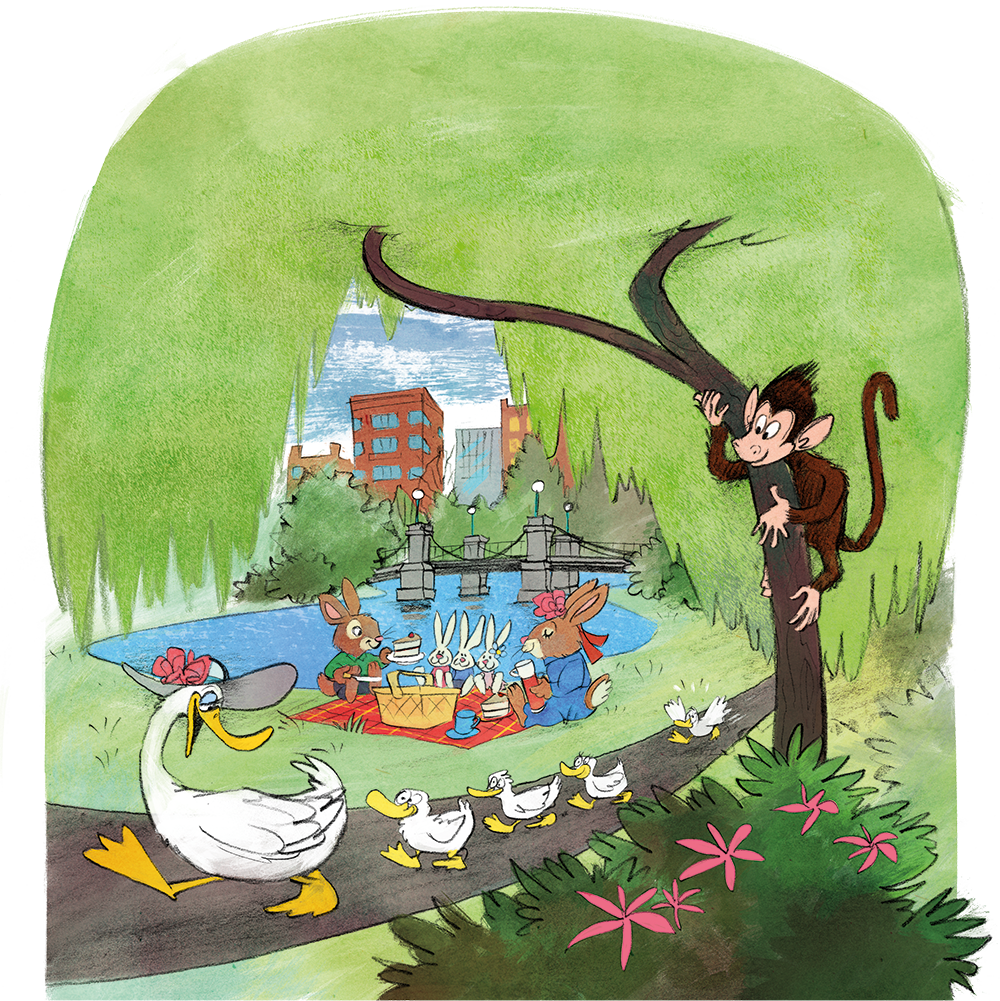
My friends and I were here to talk about cattle. In the dusty markets along the frontiers with Somalia and Ethiopia, they scout for large-framed beasts and bargain in secret handshakes with sellers who have trekked hundreds of miles with their herds from way beyond the Jubba river. Up there, it rarely rains and the cattle are often very thin, yet beautiful and fertile, my favourites being snowy-white types called Awai, or red and white speckled ones called Serenle. After deploying vets to check on their health, we are trucking them down to greener pastures in Kenya’s south, fattening them for the market. It’s early days but it’s a project that absorbs me. After a life of chasing stories with a pen in my hand, I discovered a pure kind of joy with my feet in the muck, staring at cows’ arses.
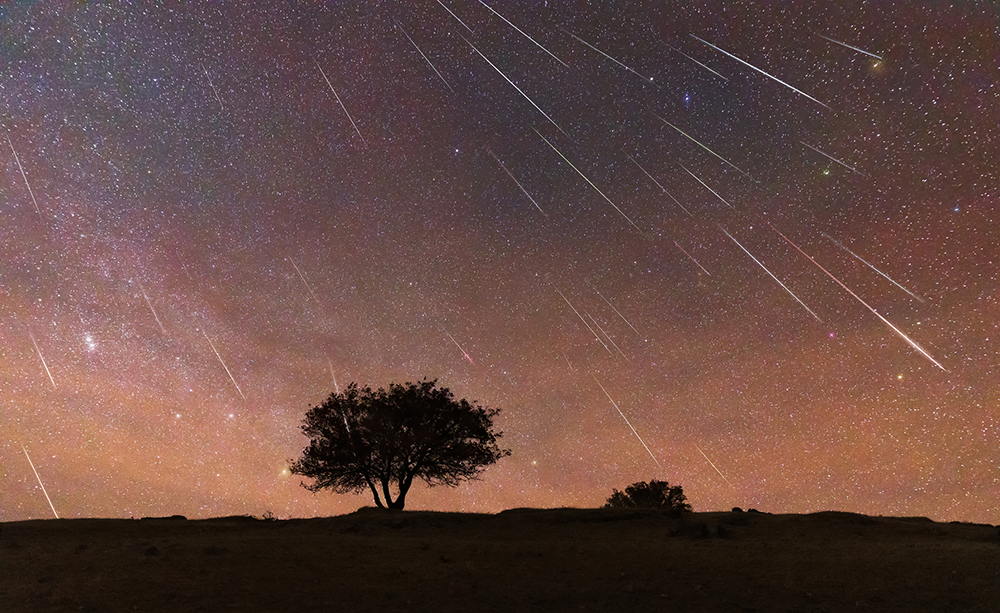
Then suddenly my friends raise my eyes from the cowshit to the stars, for they reveal that in their spare time they hunt meteorites. These men in the joyful mayhem of Eastleigh tell me stories that remind me of the pearl diver Henry de Monfreid, author of Hashish. On starburst nights across Africa, with some success they hunt lumps of crystalline metal called chondrites and rare pallasites that fall from the sky into our deserts, green jungles and even sometimes into people’s houses.
As a youngster I was incredibly moved by Antoine de Saint-Exupéry’s description in Wind, Sand and Stars of having to land his aircraft on an inselberg of rock in the Spanish Sahara. Here, where ‘no step of man or beast had sullied’, he finds a meteorite the size of a man’s fist, then another, then another. The white desert is covered with them. ‘A sheet spread beneath an apple tree can receive only apples; a sheet spread beneath the stars can receive only star-dust.’ In Elspeth Huxley’s White Man’s Country, she tells how a Maasai chief once brought Lord Delamere a ‘thunderbolt’ that fell to Earth and glowed in the dark, though it was cold and very heavy.
Naturally, for years I’ve been hunting for meteorites on my farm in Laikipia. There was a tremendous famous meteorite shower near our land and I have been searching high and low for fragments of these, but sadly the event happened in January 1934. I have discovered nothing, but I live in hope that one day I shall find a lump as large as the El Ali stone, a 15-ton meterorite that sat by a river in Somalia for generations – and was found to contain three minerals which hadn’t yet been found on Earth – until some opal miners spirited it away to China a few years ago.
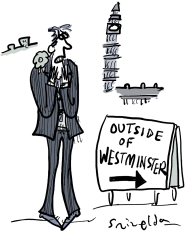
As I said farewell to my friends and made my way through the teeming Eastleigh alleyways, I felt like Mr Benn, that fellow in the 1970s children’s cartoon who always finds himself going through a magic portal into new worlds. Surely it is not too late to leave all humdrum things behind and find new adventures with my cows and my Tamil lover Shamini, eating idiyappam rice noodles and tracking fallen stars in the desert.





Comments