
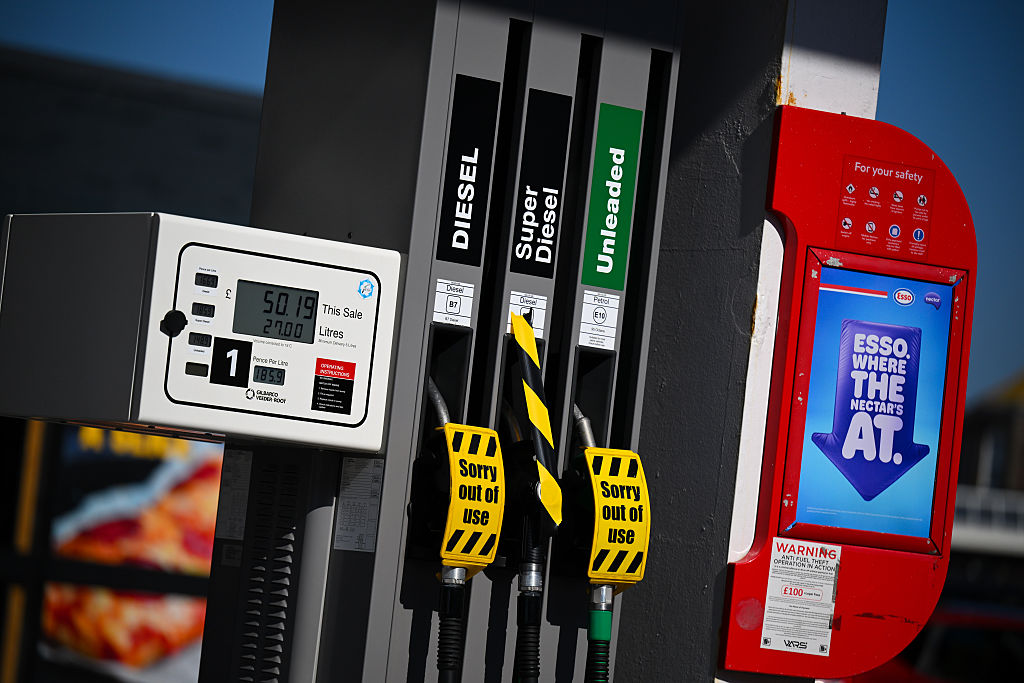
The Iran war is being felt in Britain’s economy. Figures just released by the Office for National Statistics (ONS) show inflation rose to 3.3 per cent in March – up from 3 per cent the month before.
The rise was mainly driven by fuel prices, which jumped at their fastest rate in more than three years. Plane tickets and food prices shot up too as rising energy and input costs were felt across the raw materials that drive the economy.
A Consumer Prices Index increase thanks to the oil price spike was expected but the trouble is these higher manufacturing input costs take time to feed through into the economy meaning this new bout of inflation could be a prolonged one.
This new bout of inflation could be a prolonged one
If that happens then we’re in the worst of all worlds: stagflation. Prices rising just as already anaemic growth grinds to a halt. That could set the scene for another decade of lost living standards growth.
All of this presents a headache for the Bank of England’s Monetary Policy Committee (MPC) who meets next week to make their next interest rate decision. Market expectations on this have fluctuated wildly from expecting multiple cuts this year to expecting multiple hikes to keep inflation under control. But given the stagflation fears it seems likely they’ll go for a hold in rates as they cower from the twin fears of worsening a potential recession on top of inflation.
Whilst world events are of course not the fault of the MPC it is now 18 months since inflation was at least at or below their 2 per cent target and there is no prospect of it coming down anytime soon. They not have to judge whether this energy shock will feed through into so-called second order effects as heightened expectations of inflation in households and businesses leads to increased wage demands and higher price setting. It’s an unenviable task.
For the government the final reprieve in their cost of living battle may come in April’s figures – released next month – which may come down due to base effects. After that they will surely rise again and it will become increasingly difficult for Keir Starmer and Rachel Reeves to claim Britain’s economy has ‘turned a corner’. The temptation for them will be to ramp up interventions that they hope tackle the cost of living but as we have now learnt time and time again these policies often either don’t work or prove so costly that they make us even more vulnerable to crisis in the future. Hard as it may be doing nothing may be the only choice they have.





Comments