Guinness Zero reminds me of the judge. I heard about him years ago. He was driving home from the golf club, seven G&Ts to the good. Or rather – he realised as he saw the flashing blue lights in his rear-view mirror – to the bad. This is it, he thought in horror, end of career. But he went through the motions, blowing into the breathalyser and, as he waited for the result, miserably contemplating how he was going to break the news to his wife. ‘Well, sir,’ said the policeman after a moment, ‘that all appears to be fine. Have a pleasant evening.’ Dumbstruck, the judge turned his car straight round and drove back to the golf club. There he extracted the truth from the barman: the first gin and tonic had been a real one, but the other six were just tonics, with a trace of gin smeared around the rim of the glass to give it the right smell. It’s an old barman’s trick – charge for a G&T, pocket the difference. In this case, it saved the judge his job.

Which is where Guinness Zero comes in: it makes you think you’re drunk even when you’re not. Ocado recently announced that, for the first time, it was delivering more cans of Zero than regular Guinness. I can understand why. It is, in my experience, the only zero-alcohol drink that tastes exactly like its ‘proper’ counterpart. And I mean exactly.
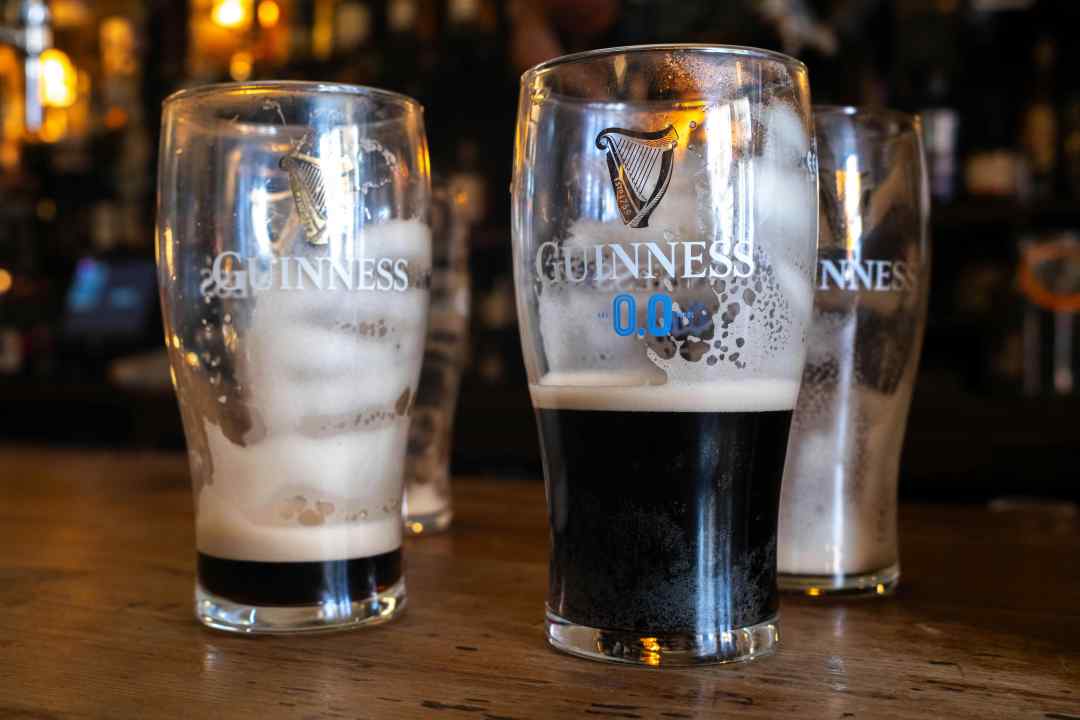
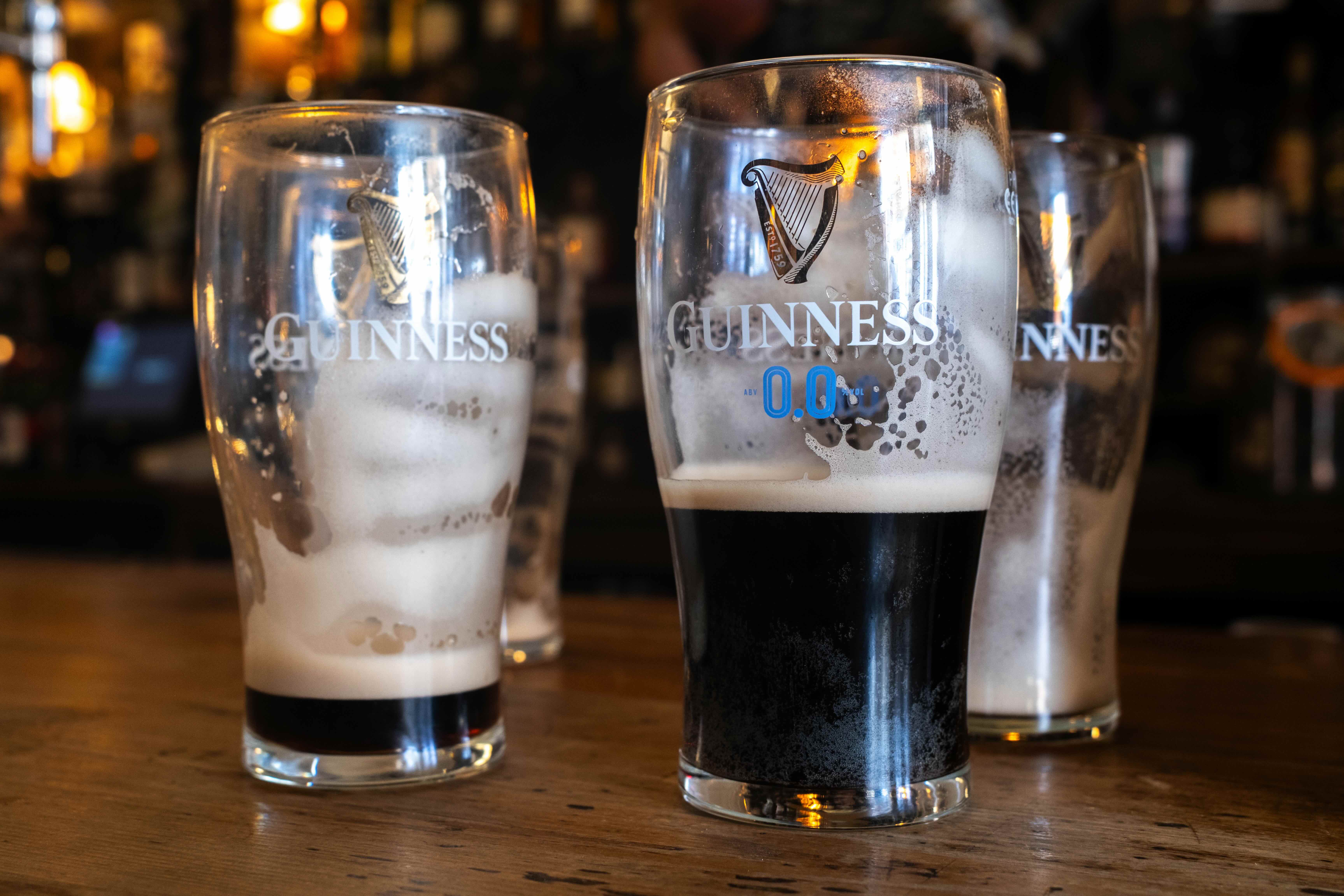
I was out with a couple of friends recently, one of whom was on the real stuff while I was on the Zero (driving). Someone else got back from the bar with our pints and realised he’d forgotten which was which. ‘No problem,’ we thought, ‘we’ll soon sort this.’ We looked at the two glasses: couldn’t tell. We smelled the two pints: couldn’t tell. We tasted them: couldn’t tell. Right to the end of the pints, neither Steve nor I was sure whether we’d consumed the correct drink.
It goes to show how much of the effect alcohol has on you is psychological. Unless you’re intent on a serious sesh, the enjoyment of drinking derives as much from the company you’re in as the booze you’re ingesting. A laughter-filled couple of hours in the pub with friends feels pretty much the same to me whether I’m on real Guinness or Zero. It wouldn’t be the same with soft drinks – you need to feel that you’re boozing even though you know you’re not. But as long as the drink looks and tastes right, the presence or otherwise in it of CH3CH2OH is immaterial. Perhaps you need the first pint to be a real one to relax you a bit – though even there I’m not sure.
Most of what you think of as ‘being drunk’ is the merriment, enthusiasm and general sense of well-being that you get simply from being in a pub (assuming it’s a good pub, of course). Guinness Zero has a placebo effect on me. There have been medical trials that show people can still experience a placebo effect even when they’re told they’re taking a placebo. The purveyors of the black stuff from Dublin are pulling the same trick on me.
The enjoyment of drinking derives as much from the company you’re in as the booze you’re ingesting
By contrast, drinking in the opposite circumstances – on your own, at home – can fail to get you drunk. You’re quiet, still, concentrating on a book or the telly, possibly consuming the booze with or after a meal. In that setting, you can drink a whole bottle of wine without it having much effect, other than to send you to sleep. Consume that wine in a pub while joking with friends, on the other hand, and you’d be as pissed as a rabbit.
I admit this might be an age thing. These days I’m not particularly bothered about getting drunk. At least not the kind of drunk that lays you out for three days. Actually I never really was. Never understood the need to celebrate an achievement by getting rat-arsed. Take England’s Ashes-winners of 2005. They pulled off the greatest and most thrilling victory in a generation, then marked the occasion with a two-day bender that rendered them incapable of remembering a single thing about it. Surely you want to soak up the memories, not the lager?
If recent trends continue, that could be the way the nation is heading. Today’s twenty-somethings are increasingly shunning alcohol. Perhaps one of the reasons for Gen Z’s sobriety is the ever-increasing quality of zero-alcohol drinks. When I was a youngster there was a terrible lager-substitute called Kaliber (I’m still not entirely convinced it wasn’t just coloured water), and that was pretty well it. Now most of the major brands have got more-or-less acceptable alternatives. As and when they match Guinness, and become genuinely indistinguishable from the real thing, teetotalism might really take off.
I’ll never join Gen Z in taking the pledge – booze is too important to me and I can’t imagine a life without Guinness, bitter or red wine. But I can envisage experiencing more imaginary drunkenness: real pint to start, fake ones after that. As Anthony Powell says in Books Do Furnish a Room: ‘It is not what happens to people that is significant, but what they think happens to them.’ Perhaps he’d tried Guinness Zero, too.






Comments