

It seems counter-intuitive to say that the House of Lords is more representative than the House of Commons. Yet in the extended reading of the assisted suicide bill, it is clear the Upper House is surprisingly reflective of the reality of the nation.
Nominally, the bill is being piloted by Lord Falconer, the formerly cuddly ex-housemate of Tony Blair. Falconer has consistently sought to water down amendments and concessions secured during the Commons debate. During last week’s Lords debate, he cited ‘somebody called Sarah Cox’ – who just happens to be the former president of the Association for Palliative Medicine (APM) and gave evidence to the bill committee last year. This didn’t prevent Lord Falconer from misrepresenting her testimony, prompting a complaint from the APM. To him, the expertise or opinions of his opponents are irrelevant compared to his own moral certainty.
They seem unable to understand what a life lived without control over every aspect of it might be like
Falconer, for all his efforts, is not the only player in the Lords battle. Indeed, he is increasingly proving a hindrance to the bill’s cause as he delivers dystopian lines worthy of Swift’s Modest Proposal. Last week he explained, matter-of-factly, that poverty could be a legitimate reason to seek an assisted suicide. ‘Financial considerations might well apply,’ he said. ‘There is only a limited amount of money to go around.’
Meanwhile a second fight in the Lords is raging between two trios of women. And so, I repeat, it is fascinating how the Lords is more representative of reality.
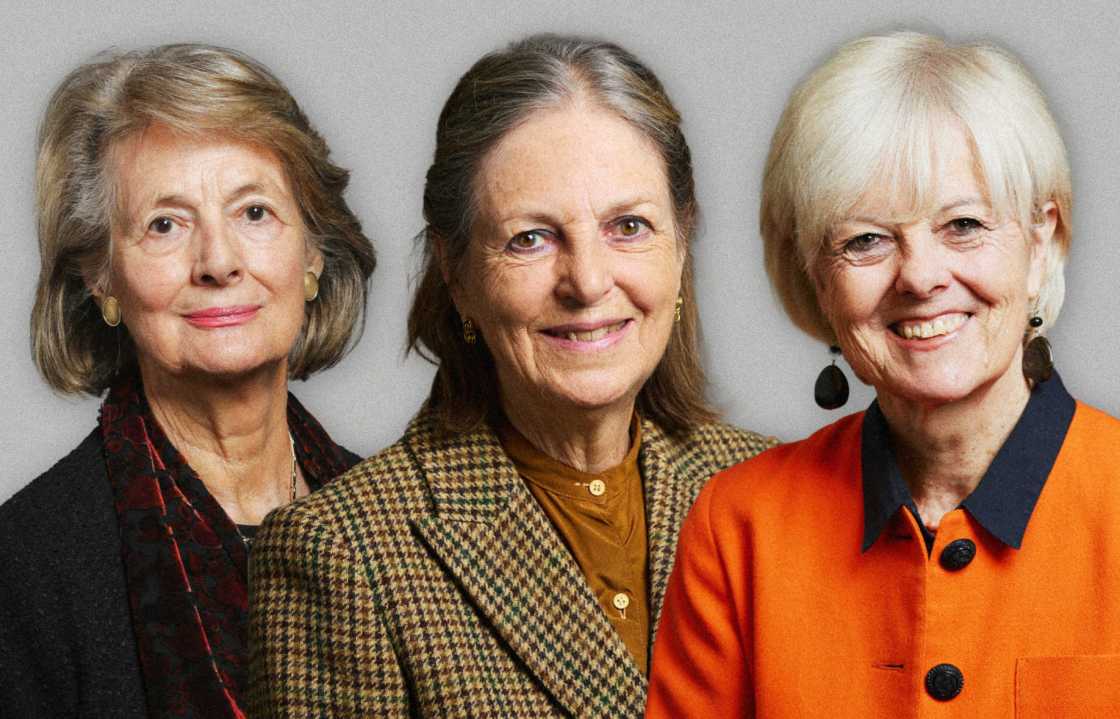
On one side, Falconer’s, are three Baronesses: Jay, Hayter and Blackstone. Baroness Hayter is a vice-president of the Fabian Society, while Baroness Blackstone, a former university administrator, previously served as its chairman. Baroness Jay is a longtime Labour peer and the daughter of Jim Callaghan.

In short, these are privileged, well-connected women who have breezed through the gilded hallways of public life with minimal experience of not getting their own way. They play a significant role in the pro-assisted suicide campaign in the Lords; endlessly interrupting, chiding opponents to see the bill through. Imagine the opening scene of Macbeth if it were set in a lesser lecture room at the LSE.
These three peeresses are adamant in their belief that they are the great standard bearers not just for a zombie-like 20th-century progressivism, but also for the general public. As so often with those who think they ‘speak for the people’, the truth is a little different. The three titles taken by these baronesses are Paddington, Stoke Newington and Kentish Town, districts which have a sum total of six and a bit miles between them. It is very clear which particular subset of the nation these peers represent.
Given this shared background, they sometimes seem unable to understand what a life lived without absolute control over every aspect of it might be like. At best, they appear to believe that such lives should be subject to their ideas of improvements, to bring them closer to the platonic ideal of Stoke Newington, but if such a course proves impossible, other alternatives are available. It is, by the logic of the North London Valkyries, better to be dead than not in absolute control.
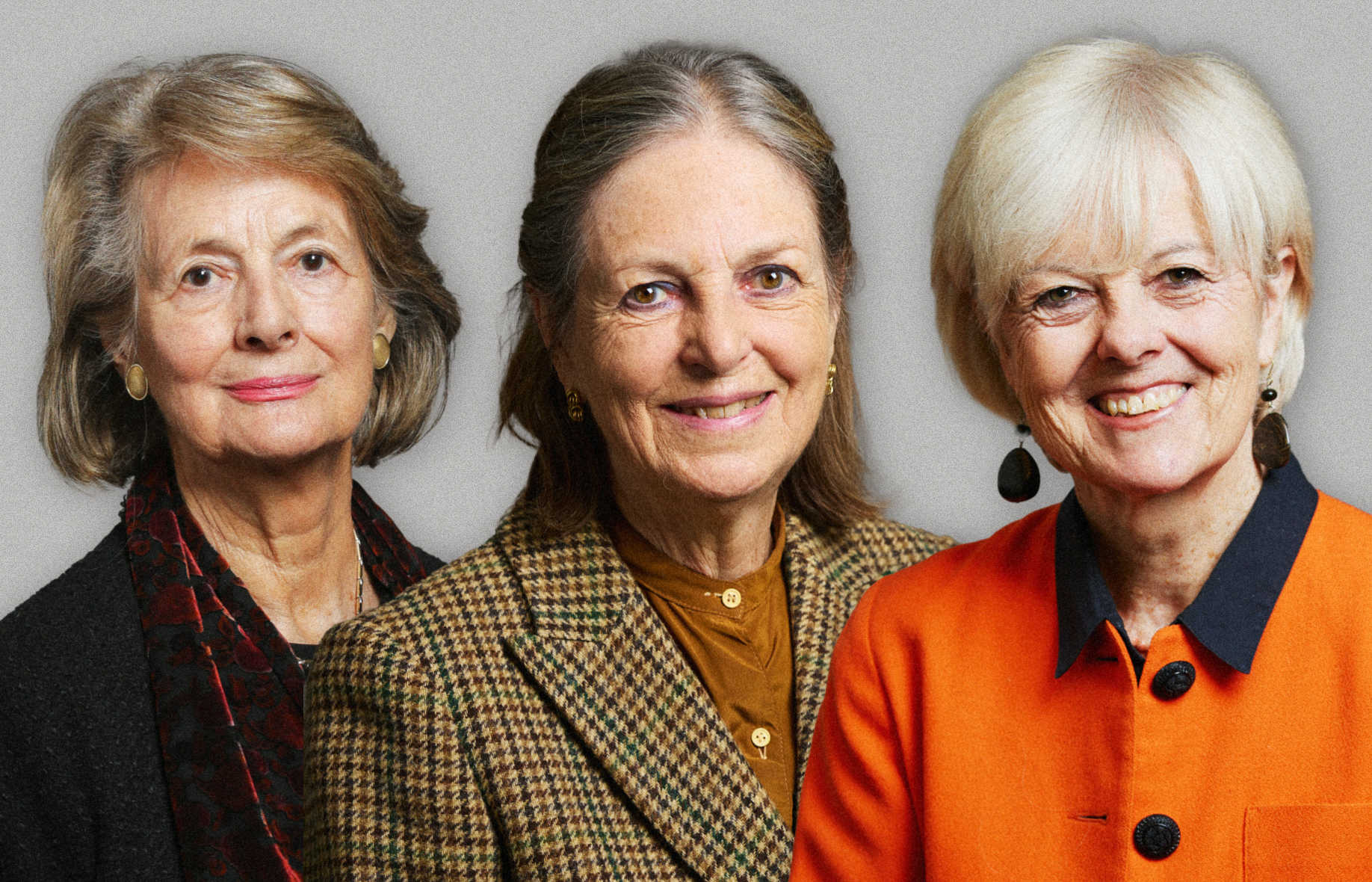
Up against them is a very different trio of women: Baronesses Finlay, O’Loan and Grey-Thompson. They represent different regions; Finlay is from Wales, O’Loan is a Northern Irish peer, while Grey-Thompson lives in Stockton-on-Tees. These opposing peers had serious jobs, away from the blob-adjacent, stakeholder state. Finlay was a professor of palliative medicine, O’Loan inspected police in Northern Ireland and Grey-Thompson was a Paralympic champion, for whom the debate over the bill’s threat to the vulnerable is not merely abstract.
In contrast to the North Circular trio, who take the Labour whip, the trio opposing them are crossbenchers, peers who vote and speak more freely. They bring up viewpoints, factual issues and procedural questions that are of visible irritation to the peers determined to hector and lecture the bill into law. Their questions and contributions have sometimes prompted their opponents to attempt to hasten proceedings and block them from speaking. Baroness Hayter has tried, in Orwellian fashion, to rewrite the definition of suicide altogether, arguing that it should not apply to those who might end their lives by assisted suicide, simply because they are nearing the end of their lives. She once memorably referred to the debate as ‘not a life or death issue’.
Unlike Jay, Hayter and Blackstone, who sometimes express an audible frustration at their Lordships’ refusal simply to roll over to their demands, the opposing three speak in a calm and considered way, always with the safety of the vulnerable at the centre of their questions. They frequently pose difficult questions the bill’s supporters can’t – or won’t – answer, about practicality, funding and safety, not just the principle of choice. This tactic, it seems, only makes the bill’s supporters angrier. Baroness Jay recently snapped and dismissed her opponents’ scrutiny and tabled amendments as ‘time-wasting’.
It’s not just two visions of the nature of life and death which are put forward by these opposing trios of women, but two visions of the Upper House and of the nation. The experienced and compassionate voices of the United Kingdom vs a cabal of apparatchiks from a few neighbouring postcodes in an out-of-touch capital. Truly, it couldn’t be more representative if it tried.




Comments