
Desire Under the Elms is an ill-structured early play by the loquacious American dramatist Eugene O’Neill. The theme is a tussle for property complicated by multiple marriages, disloyal wives and the questionable paternity of two sons. The twists and turns of the plot would suit a comedy better than a melodrama but O’Neill spurns levity of any kind. He prefers emotional torment on an epic scale.
The show opens with a 15-minute argument between three angry characters who explain the back story but it’s very hard to follow. The actors bawl out their lines while three stout musicians prowl up and down the aisles and walk across the stage, parping and plucking on various instruments. Their lumbering figures conceal our view of the actors whose words we need to hear. What’s going on? Impossible to say. Never mind. Scene Two explains the plot more succinctly but the effect is constantly disrupted by the band of musicians who keep prowling around, tootling and strumming at random. It’s like concept art rather than drama.

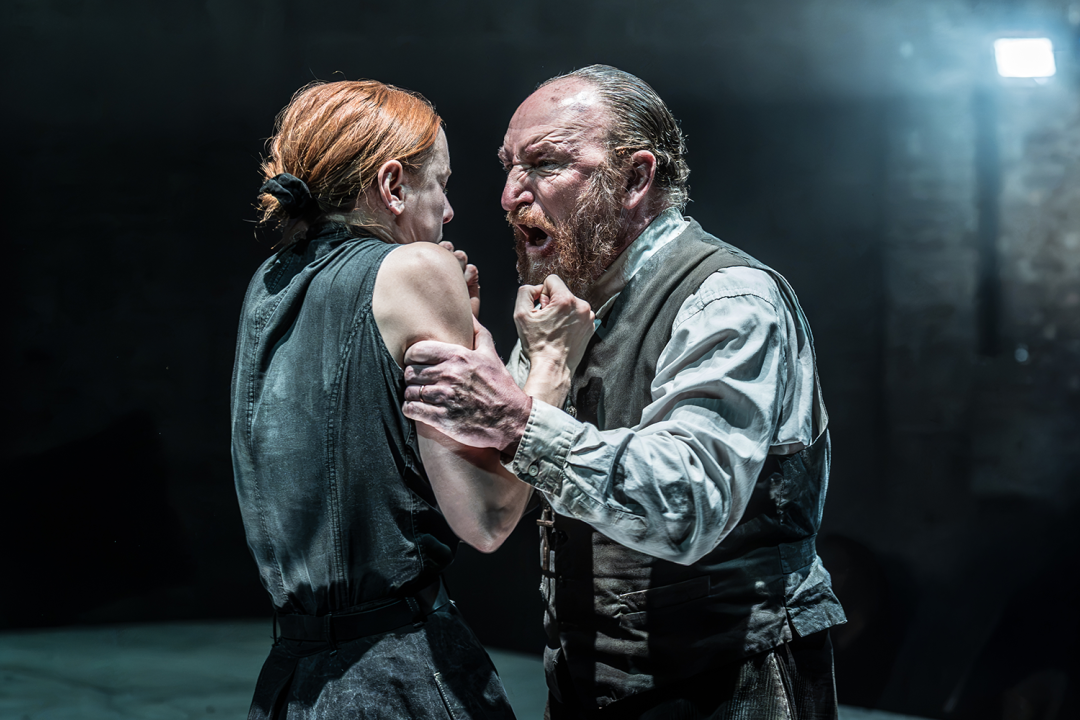
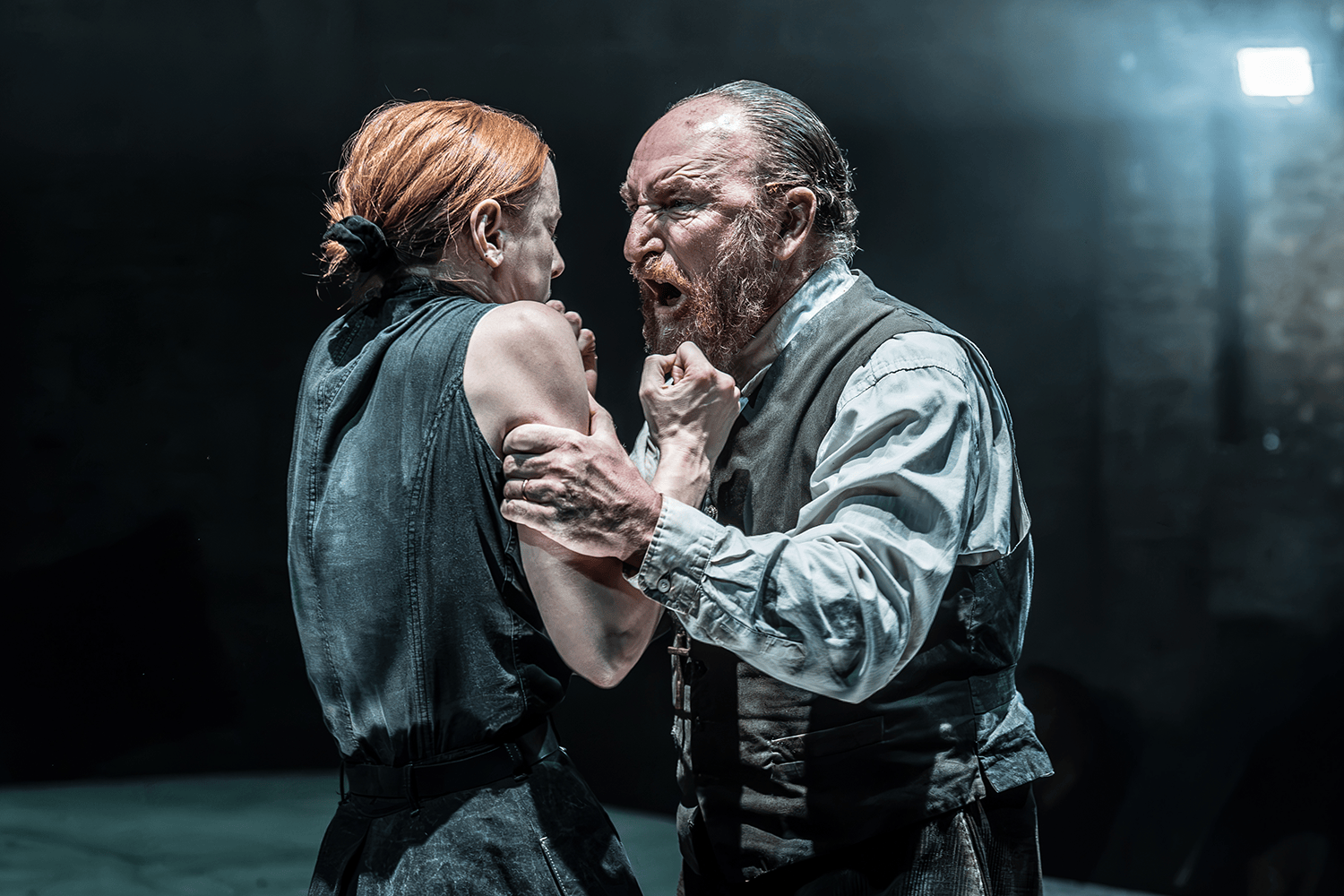
The meat of the play focuses on a torrid affair between the newly married Abbie and her stepson, Eben, whose mother died in suspicious circumstances. Murdered, perhaps, by Eben’s drunken father, Ephraim. The old man would certainly bump off Abbie and Eben if he discovered their liaison, and the sense of jeopardy makes the forbidden romance truly gripping. The physical desire between Kelly Gough’s Abbie and Zackary Momoh’s Eben crackles with energy and yet they have to struggle against the barrage of lighting and sound effects that obscure the story rather than making it clear.
Exaggeration is the show’s downfall. Every scene begins at maximum pitch with the performers gesticulating and shouting out their lines in a frenzied panic. They have no room to pause, to step back, to examine their position, or to let the drama develop at its own pace. It’s like a ghost-train ride from start to finish. And it’s hard to tell if the actors are genuinely talented because they keep applying the rocket-boosters, yelling, squawking, weeping, shaking, twitching, drooling and so on.
As they search for a climax, they move into symbolic expressionism. Eben performs a set of anguished dance moves like a Tasered ballerina while Abbie thrashes on the floor emitting a howl that resembles the noise of a slow-motion train crash. These are not human sounds, and it’s hard to respond to them emotionally.
Some commentators will praise Ebenezer Bamgboye’s direction for its energy and sense of spectacle. Perhaps a roofed venue is too small for this show’s ambition. It might work better on the deck of a ship or at an open-air theatre scooped out of the side of a hill. The actors deserve pity. They may not complete the run without damaging their vocal cords.
Max Olesker has turned his gruelling romantic life into a stand-up show. Olesker comes from a progressive Jewish family and when he falls in love with Eliana, whose relatives are strictly Orthodox, he learns that he isn’t Jewish enough. Prior to marrying Eliana, he must submit to a court of rabbis, the Beth Din, who determine the rules of conversion to the purest forms of Judaism.
This could be a terrific movie. And why not a musical as well? It deserves to go all the way
The Beth Din do all in their power to smash Olesker’s relationship to smithereens. He and Eliana are forbidden to touch each other, let alone to share a bed, for months on end. Olesker must eat kosher, attend synagogue three times a day and refrain from working or using technology on the Sabbath. Since he’s a standup comedian, he has to forego the most lucrative gigs on Friday and Saturday nights.
It gets worse. He’s required to move in with an Orthodox family living in Hendon who help him prepare for the last and most intimate part of the process. Circumcision. This is the highlight of the play and it unfolds like a scene from a crowded butcher’s shop. With three witnesses taking a close interest, Olesker meets the rabbinical surgeon who wears a special white pinnafore, ‘stained with dried penis blood’. The snip takes 76 minutes to complete.
And the Beth Din are far from finished. They keep throwing new obstacles in Olesker’s path and he starts to see them as bullies rather than as the virtuous overseers of a proud religious tradition. They even question his calling as a stand-up. ‘Is comedy the right career for a Jew?’ they ask. The jokey aspects of the romance are offset by Olesker’s harrowing relationship with his father who suffers from dementia.
The result is a perfect type of entertainment. It makes you laugh, it makes you weep, and it makes you think about faith, love and sacrifice. This could be a terrific movie. And why not a musical as well? It deserves to go all the way.




Comments