
While the King and the Princess of Wales both battle cancer, the business of monarchy goes on. In the realms of the Commonwealth that includes ensuring the Crown is represented in each respective constitutional government. In Australia, though, the choice of candidate for governor-general is far from reassuring news for the monarchy.
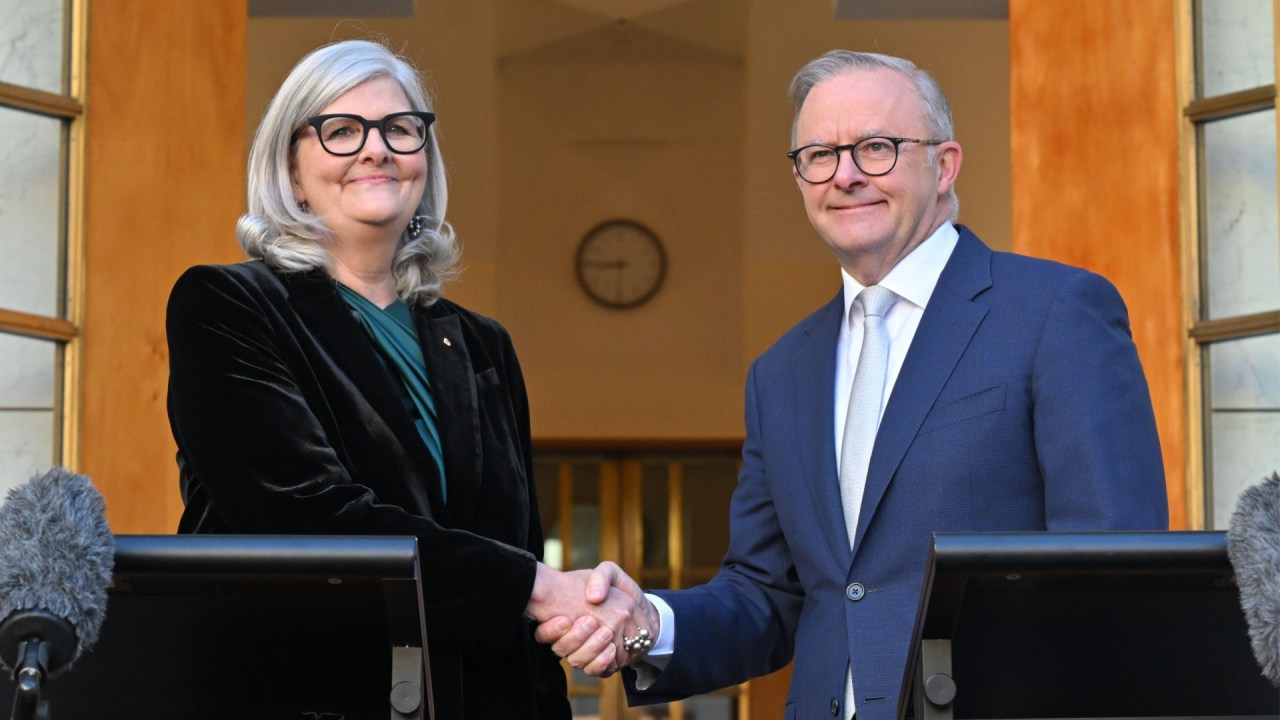
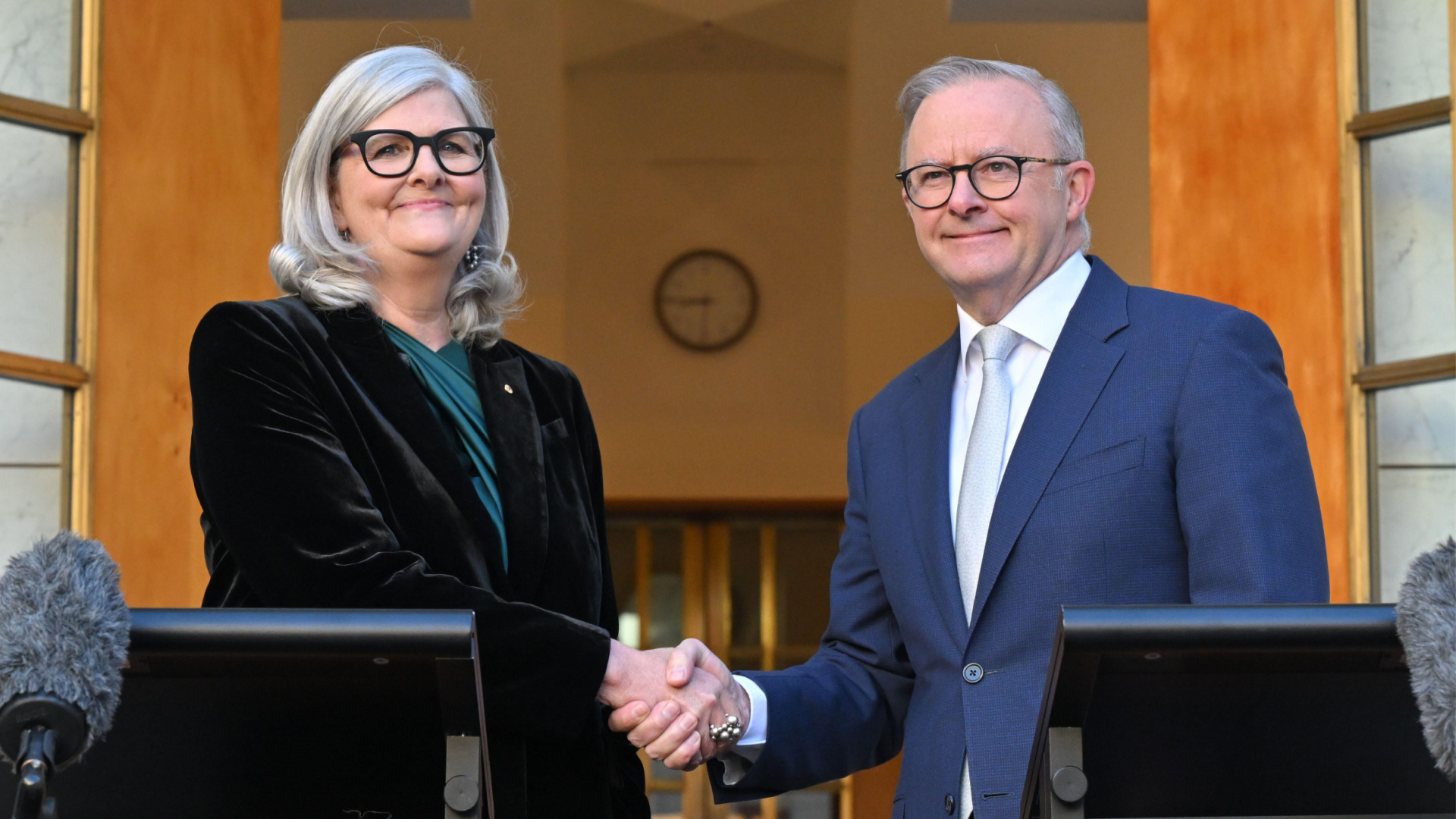
Samantha ‘Sam’ Mostyn, an activist and lawyer, was named by Australian prime minister Anthony Albanese as the country’s 28th governor-general. ‘Ms Mostyn is known for her exceptional service to the Australian community. She is a businesswoman and community leader with a long history in executive and governance roles across diverse sectors’, said Albanese. There’s no question that Mostyn is a capable and talented woman, with a high-profile corporate career spanning three decades behind her. But is she the right person the job?
Albanese has continued his subtle but calculated assaults on the standing of the monarchy in Australia
Mostyn’s values, and in particular her record of advocacy for them, are the most troubling aspect of her appointment. She is a long-time friend of Albanese – not a disqualification, but a strong hint that she is seen as a congenial fellow traveller of a Labor government. She has long been vocal in support of progressive social, political and climate issues, including Black Lives Matter and last year’s failed referendum on an Aboriginal ‘Voice’ to parliament and government. She also once labelled Australia’s national day of 26 January, the anniversary of British settlement being established in Sydney, ‘invasion’ day.
Mostyn is not hiding her activism. Rather, she is embracing it as a champion of the diversity and inclusion movement. In her announcement statement, she made it clear that her service as governor-general would be shaped by her values. Stood next to Albanese when he presented her to the media yesterday, she gave a dignified yet highly personal address, outlining her background and her beliefs. This was more like a presidential candidate launching her campaign than someone who, in the Westminster constitutional tradition, is required to be impartial and apolitical.
‘Alongside my broad business career, I’ve forged a strong connection with many other aspects of Australian life, including in sport, civil society, arts and culture, First Nations reconciliation, sustainability in the environment, policy development, mental health, gender equality and young people’, she said.
But the biggest question lies over her loyalty and commitment to the institution that Mostyn has been appointed to represent.
Mostyn has never served as an elected politician. She has, however, worked in Labor politics as a special adviser to several ministers, especially the arch-republican 1990s prime minister Paul Keating. Anyone who knows how Keating operated knows he couldn’t – and still doesn’t – tolerate anyone who disagrees with him. She may be more tactful and diplomatic than her old boss, but her close association with Keating, and the progressive causes she’s embraced in the years since, indicate that the King’s new representative in Australia very much prefers a republic.
Indeed, what she has said of Keating reveal her own nationalistic, republican, beliefs. In a 2020 speech, she said of her former boss:
[He] was a prime minister of our country actually able to articulate his ambition for the country. And they were things that I really cared about. He wanted a republic, clearly. He wanted a fully evolved Australia but that was linked to his desire for a lasting reconciliation with First Nations and First Peoples of this country. His commitment was absolute.
That the progressive values she endorsed in 2020 and again on Wednesday also happen to be central to Albanese and his Labor government can’t be ignored. Mostyn ticks diversity boxes, but she also ticks the ‘friend of Labor’ box, a friendship that might be especially valuable to Albanese in the event of a constitutional crisis.
Since the Voice referendum debacle, opinion polls indicate electoral support for Albanese’s government is sliding, with a general election due by May next year. As things stand, the most likely result after that election will be a hung parliament, with a cross-bench dominated by the hard-left Australian Greens party and a motley array of independent MPs.
What will Mostyn do if the opposition Liberals, in particular, become the largest party in parliament? Who will she take advice from, and how will she maintain her impartiality in the greater national interest? Indeed, opposition leader Peter Dutton, while wishing Mostyn well, noted that she ‘obviously is well-known to many people within the government over a long period of time’. That connection may well prove crucial in post-election negotiations.
In appointing a friendly republican and activist like Mostyn, Albanese has continued his subtle but calculated assaults on the standing of the monarchy in Australia. He came to office by including an assistant minister for the Republic in his ministry, and he ensured the King’s image was removed from Australian banknotes. But by ensuring that someone who shares and articulates his left-of-centre outlook acts for the Crown, at a time when the governor-general may become crucial to who forms the next government, Albanese has successfully infiltrated the institution of constitutional monarchy itself.






Comments