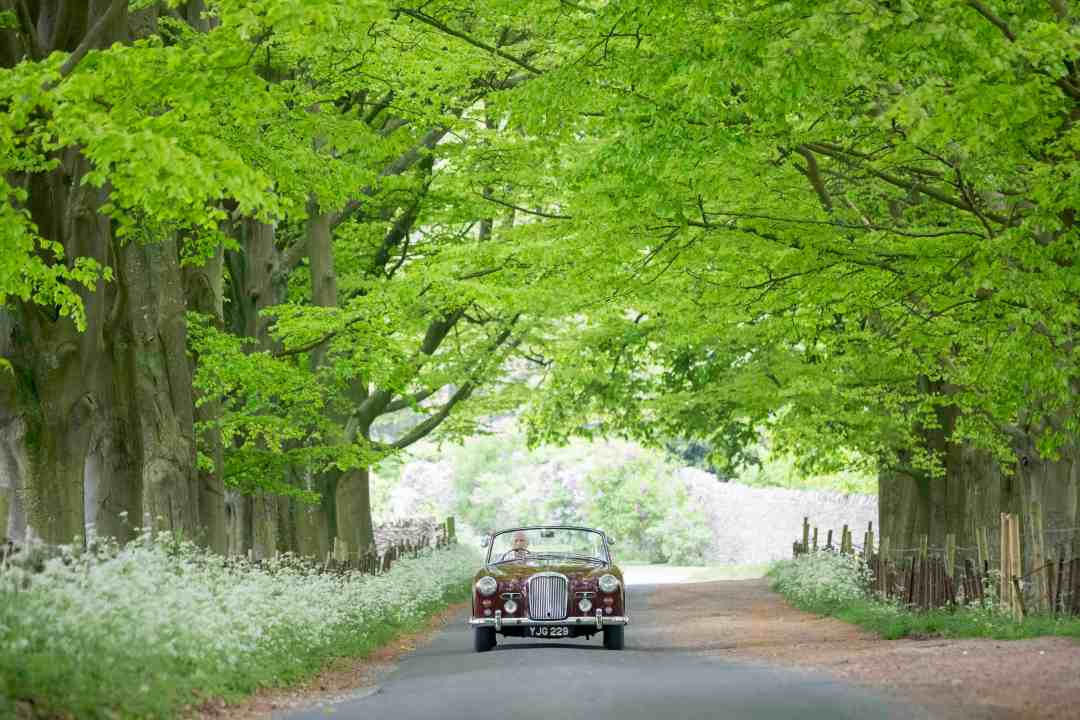
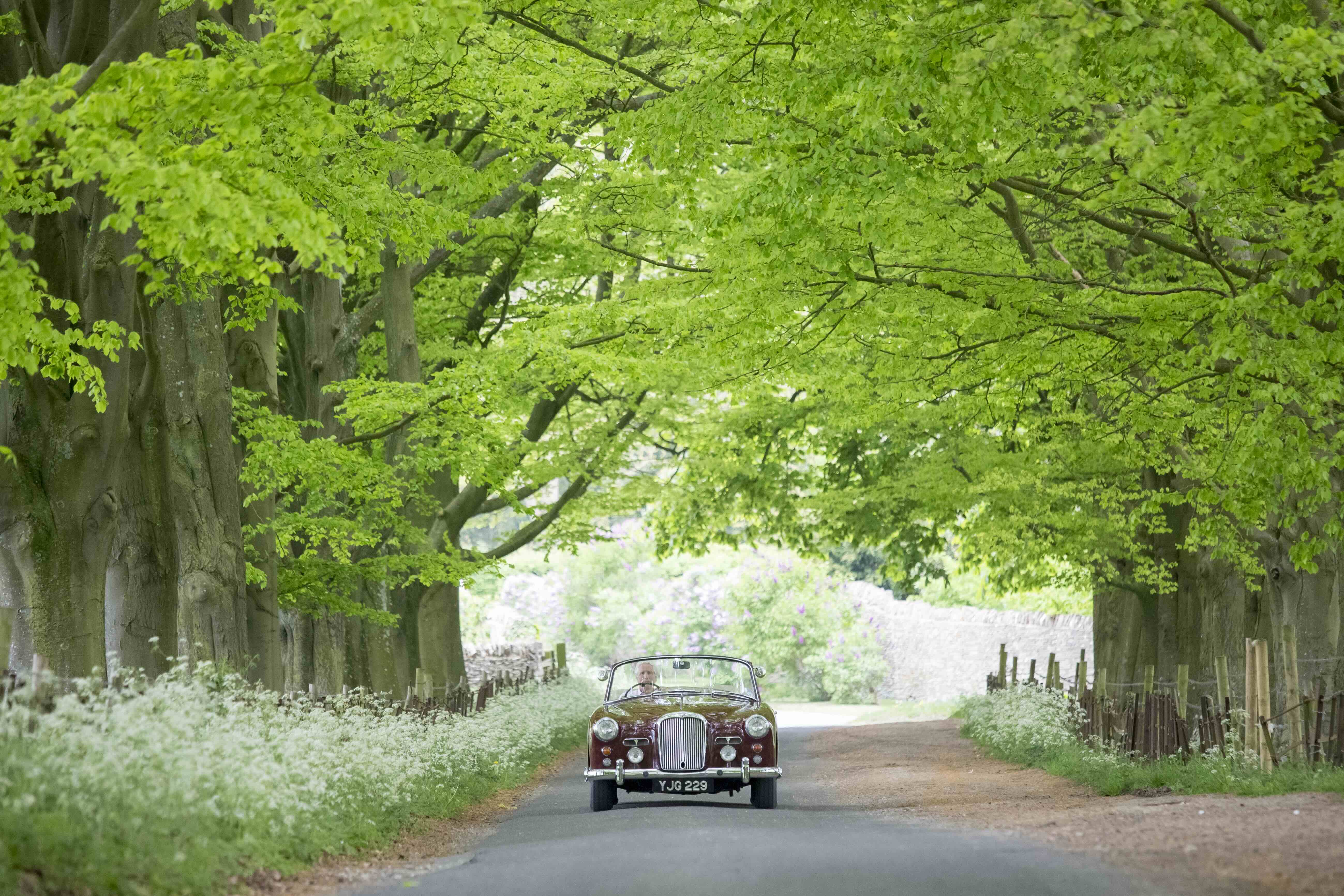
You set off on a spring morning, windows down, full of hope. Sunglasses, flasks of tea and a picnic rug are packed. You are ready to experience the freedom of the road, leave your worries in the rear-view mirror, put pedal to the metal (and every other optimistic road trip cliché).

Follow the brown signs to the Pembrokeshire Coast 200, South West 660, Wales Way, Antrim Coast Road or any of the other curated, promoted and hash-tagged routes now crisscrossing the UK. Whether it’s following the signs for the North Coast 500’s Highland circuit, starting in Inverness, or the Atlantic Highway through North Cornwall, thousands of us will head off this year in search of a mythical experience – the one we saw in the drone video of a couple in an open-top car winding between hedgerows.
You plan to potter across pretty Cambridgeshire, for example, marvelling at a panorama of floral verges, flint cottages and pretty churches. But it won’t be long until you arrive at Reality City, UK. That place where a crater suddenly swallows your front offside wheel. You might even plunge into the recent Cambridgeshire pothole filled with naan bread by an enterprising restaurateur — a culinary protest against council neglect (with a good bit of PR thrown in). Or if you’re really lucky, perhaps another Cambridgeshire crater, the one recently decorated with fake legs sticking out from the tarmac, serving as a surreal warning. Yes, really.
Forget spotting charming buildings and wildflowers, driving is now about zigzagging on roads where any puddle could be hiding a suspension-destroying sink hole, waiting at temporary traffic lights by a tiny pile of earth where no-one seems to be working, or negotiating our draconian speed limits.
The only officially approved acceleration for motorists is now the rapid proliferation of 20mph limits, which only increase noise, fuel use and vehicle wear and tear, with little noticeable benefit. If your road trip takes you through a town you’ll be pleased to discover that a third of the UK’s urban roads now have this infuriating third-gear, 20mph limit that didn’t exist 20 years ago.
So, you find yourself standing next to your bent wheel in sunny Cambridgeshire, holiday punctured, naan bread smeared on your tyres, mannequin limbs poking from pitted tarmac, and you realise: this is the precise opposite of the road trip you imagined.
Britain now has more than 42,000 speed humps, 8,000 speed cameras (more per mile than any European country) and more than a million potholes. A third of UK drivers have reported vehicle damage from potholes, more than a fifth have reported speed bump damage and record numbers (around three million a year) are being caught ‘speeding’, including half a million who were driving under 30mph. British driving is now about bus lanes, bike lanes, road-narrowing schemes and bollards.
In fact, we currently boast ten million traffic cones. We also now negotiate thousands of temporary traffic lights across the UK at any one time, increasingly deemed necessary for the most minor repairs. And there’s another recent road-speed record to celebrate: 500,000 miles of roadworks undertaken a year across the UK.
You can traverse the country entirely by branded loop, drifting from one logo to the next
Add emission and congestion zones, low-traffic neighbourhood schemes and a stalled road-building programme and Britain has more cars than ever on roads that are worse than ever on every possible metric.
Yet the road trip continues to be promoted with missionary zeal. We have quietly filled our island with curated drives. County loops, heritage highways and coastal cruises are sold as open-road discovery. They are cheap to create and photogenic to market. It’s tourism without infrastructure. You can traverse the country entirely by branded loop, drifting from one logo to the next.
I say this with some professional guilt. I spent years devising, driving and promoting road trips. One assignment involved breaking the world record for visiting the most countries by car in a single day – 12, if you’re interested – and I researched, created, wrote and mapped the route for the South West 660. I have driven LeJog (twice), the new SWC 300 in Galloway and the beautiful Mourne Coastal Route. I’ve written books and articles celebrating the open road.
Both travel insurance company ABTA and Booking.com report a global surge in self-drive holidays, part of a post-pandemic lust for independence and space. Iceland ring-road and Australian outback routes star in many 2026 brochures. This summer’s 100th anniversary of America’s Route 66 promises roadside celebrations and floods of tourists. While the US markets classic open highways, Britain adds more humps and 20mph zones. It’s the endless highway versus the endless roadworks.
Other countries still frame driving as a normal mode of mobility rather than a behaviour to be discouraged. Here humps, chicanes and pinch-points physically throttle roads once driven fluidly. The scenic drive has become a sequence of forced braking, its rhythm broken by design.
While tourism bodies promise open-road discovery, transport policy multiplies constraints and tolerates decay. The road trip survives vividly in the imagination — but it is an increasingly disappointing reality.


Comments