
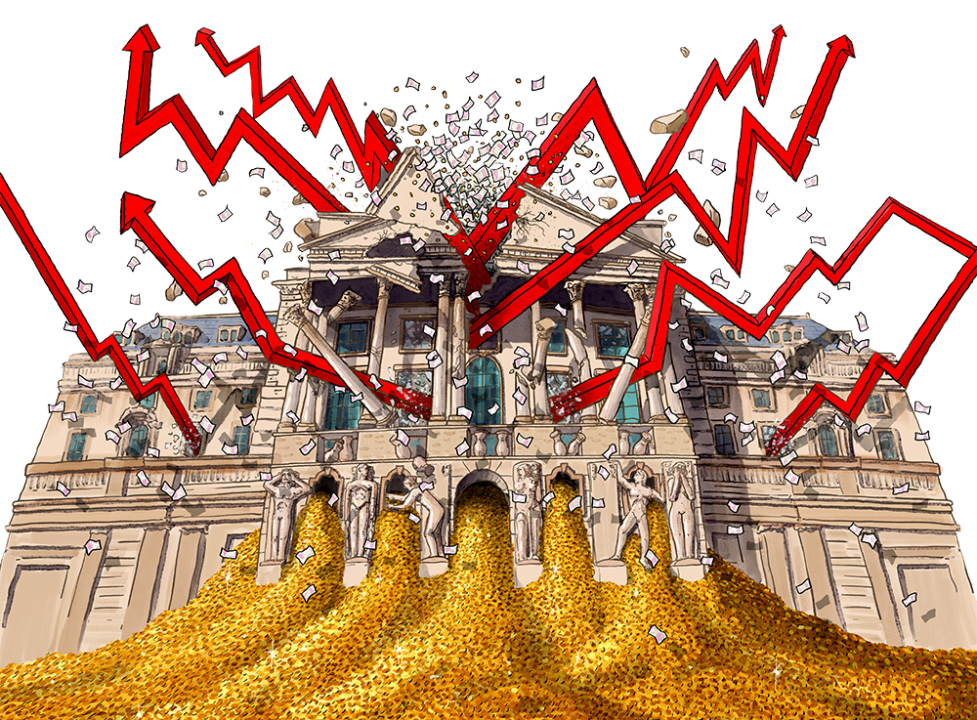
Never has Rachel Reeves been so glad to be so boring. The Chancellor will deliver today her spring update on the public finances at a time of unusual calm in the often overdramatic story of UK economic policy. One of the biggest actors in the story, the bond market, is currently happy and sleepy.
In effect, the government’s plans assume a period of austerity just as the next election approaches
After several years in which movements in government borrowing costs dominated the political conversation, calm has returned. Recent official data suggests that Reeves is under less fiscal pressure than she was in 2025. Tax receipts are up and the Treasury expects to borrow a bit less this year than last.
This is a welcome change. Not so very long ago, Westminster was full of amateur bond analysts chattering about the yield curve and the difference between the ten-year and the 30-year. Yet now, gilt markets are calm – the yield on the ten-year is back to autumn 2024 levels – and Westminster’s sages have moved on to become instant experts in geopolitics and Persian history. Bonds are boring again, thank goodness.
We should all enjoy this period of peace, however. Looking further ahead, trouble around UK borrowing and bond markets is likely to return.
This may be surprising to politicians and voters consumed with ‘the cost of living’ but bond investors are today relatively relaxed about Britain because of what they see as a positive situation with inflation.
Inflation has fallen sharply from its peak. Expectations of future price growth have eased, and the outlook for inflation now looks broadly benign. The Bank of England forecasts inflation will settle close to its 2 per cent target over the next couple of years. That’s a big change from the inflationary instability that’s defined post-pandemic British economic life. Household surveys likewise suggest inflation expectations are easing. Maybe the worst of the inflation shock is over? Hence peace in the bond markets, which generally care more about inflation than even the most exciting political shenanigans.
So today’s calm in the markets reflects macroeconomic relief, not fiscal strength. That distinction matters, because the medium-term outlook for the UK’s public finances is probably more difficult than current markets imply. The problem lies in the gap between the government’s published fiscal plans and the political reality for ministers trying to deliver them.
Reeves’s existing plans require an extended squeeze on public spending after the current year. Departmental spending plans from 2026 through to 2029 imply extremely tight real-terms growth — in some areas effectively flat or falling budgets, once inflation and demographic pressures are taken into account. These plans allow the Treasury to meet its fiscal rule (debt falling as a share of GDP). But they do so by pushing pain into later years rather than inflicting it immediately.
In effect, the government’s plans assume a period of austerity just as the next election approaches. Protected areas such as health, defence and debt interest consume an increasing share of total spending, meaning the squeeze will fall disproportionately on unprotected departments: local government, justice, transport, higher education and parts of the welfare system. Analysts such as the IFS have noted that maintaining services under such settlements would be extremely difficult without reforms that significantly improve public sector efficiency. Or ‘magic flying unicorns’, to use the technical terminology.
This matters politically because the years of the spending squeeze – 2026 to 2029 – are the run-up to the next general election. Governments rarely tighten public spending immediately before asking voters for another term. Yet that is precisely what the arithmetic of the current plans implies.
Alongside spending restraint sits another prong of the Treasury’s strategy: fiscal drag. Income-tax thresholds remain frozen well into the next parliament, meaning that as wages rise, more taxpayers are pulled into higher bands. So revenues increase automatically without headline tax rises. From a fiscal perspective, this is enormously attractive. From a political perspective, it is corrosive. Millions of voters will experience rising effective taxation despite ministers insisting that rates have not changed. One of the stories of our age is the gap between everyday experience and political narratives. That gap may well widen further as the election approaches.
So current policy points to rising taxes, squeezed public services and voters still feeling financially battered after years of weak real income growth.
At the same time, pressure for higher spending is building from two directions. The first is domestic politics. The rise of the Greens as an economic populist movement –listen to that nice plumber who got elected last week talking about how hard it is earn a decent living – will only sharpen Labour MPs’ urgent demands for more government intervention to address the cost of living and general public misery. The political imperative on Labour is towards a more generous state, not fiscal discipline.
The second driver is defence. Labour committed itself to increasing defence spending towards 3 per cent of GDP, a figure that is generally agreed to be insufficient. And that was before Iran. The British public have been remarkably (and madly, in my view) relaxed about our inadequate defences so far, but even without pressure from the voters, defence spending must surely rise.
In short, Rachel Reeves’s job as the economic grown-up in the room, forever trying to make Labour colleagues accept fiscal reality, will only get harder. This is where the current bond market calm begins to look fragile. If ministers bow to mounting pressures for higher spending between 2026 and 2029, where will the money come from?
One option would be further tax rises. That would almost certainly require increasing one of the major revenue-raising taxes — income tax, VAT or corporation tax. Yet for a Labour party approaching an election with fragile popularity, that looks politically improbable, bordering on suicidal.
The easier alternative for politicians is, of course, to borrow more. Nominally, the fiscal rules are designed to prevent this. Yet Britain’s fiscal rules are made to be bent. And when confronted with a pre-election choice between tax increases and higher borrowing, which way would you expect a politician to jump? Here, current calm in the markets and falling yields actually make Reeves’s job harder: colleagues can use those things to argue that fear of the markets was overdone last year and that investors will tolerate a bit more spending – always to ‘invest’, naturally.
The bond markets are calm for now, but Westminster should not assume they will stay that way. Britain’s fiscal problem has not been solved, just postponed. When politics again collides with the hard choices of the public finances, gilt markets may well rediscover their voice – just as the next election draws closer.






Comments