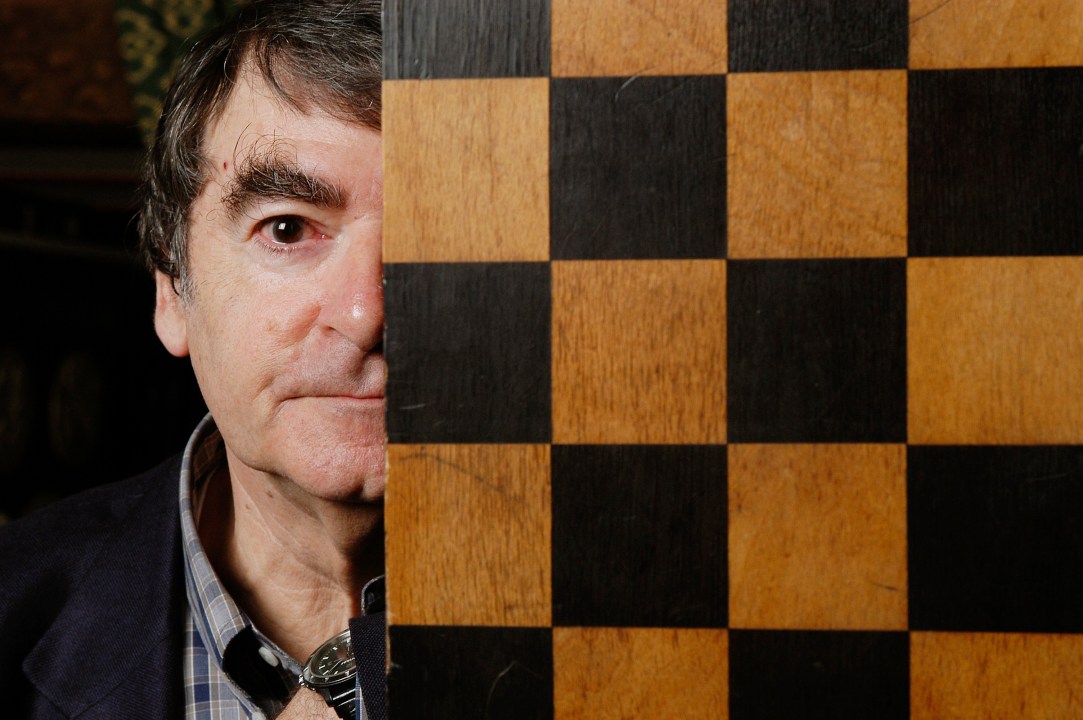
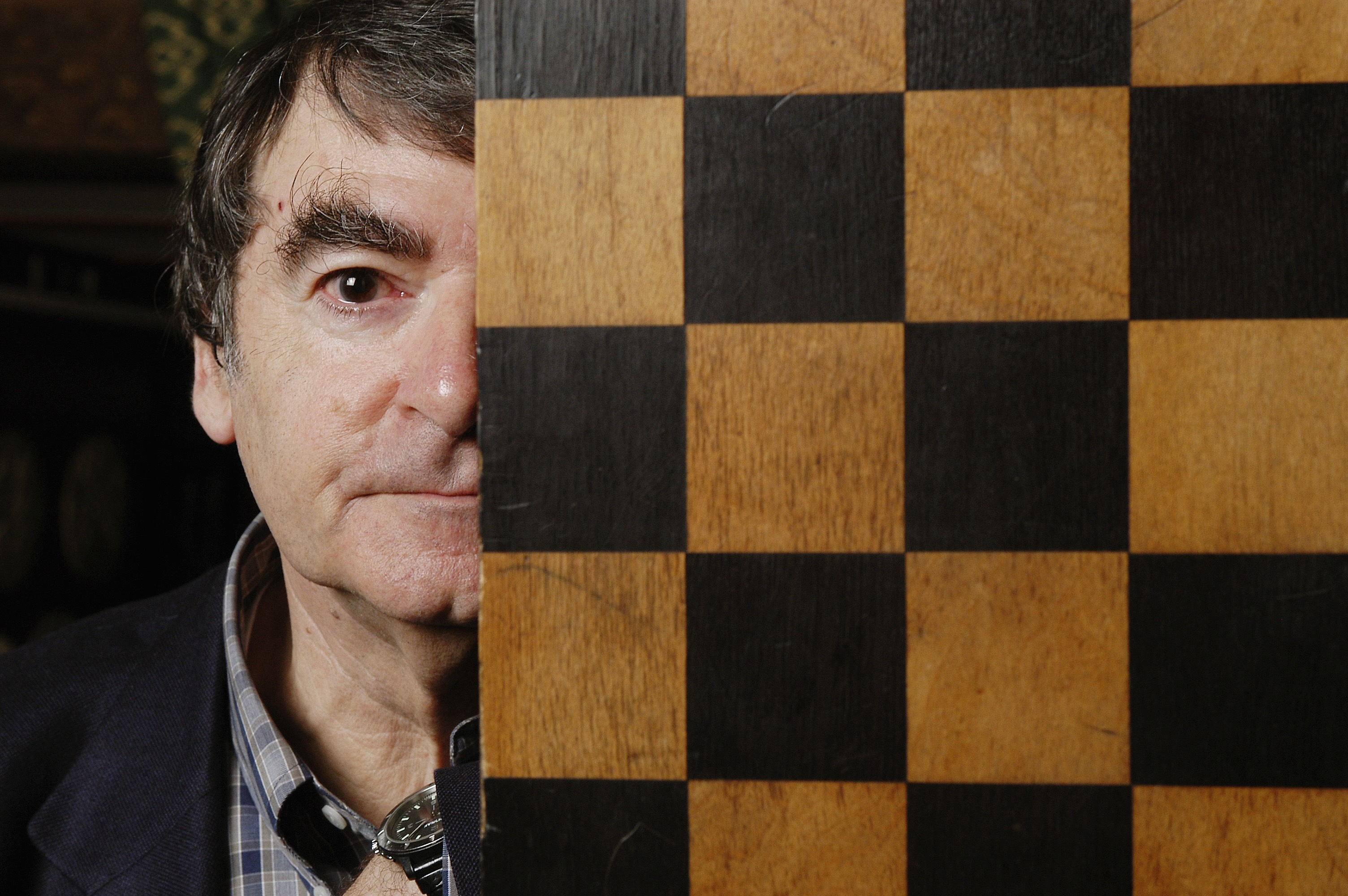
When most readers think of the late novelist David Lodge, it is his peerlessly funny and incisive campus novels, such as Changing Places and Small World, that immediately come to mind. While his satires on progressive academia are indeed some of his finest achievements, this is down to Lodge’s Catholicism, which was not merely a religious faith but a central guiding principle of his writing – if you were being pretentious, you might say ‘a calling’ – and his life. He may have called himself ‘an agnostic Catholic’, and from a religious perspective, this may have been true, but it remained a vital part of his literary career.

While many, perhaps lazily, think of Evelyn Waugh and Graham Greene as Britain’s pre-eminent Catholic novelists, it is Lodge who dealt with the faith in a far more engaged (and, dare one say it, funnier) fashion than the loquacious ironies of Brideshead Revisited or the almighty guilt trip of The End of the Affair. In his first novel, The Picturegoers (1960), Lodge explored the tension that arose between a group of young, educated Catholics, finding their ways in the world, and their reluctant adherence to a doctrine that seemed, even in those bygone days, to be both proscriptive and antediluvian. (The issue of birth control, or the lack of it, is one that looms large in Lodge’s writing.)
Yet The Picturegoers, as so often with first novels, explores its themes of faith and doubt in rudimentary, at times sketchy, fashion. It was later in his career that Lodge really began to take on the idea of Catholicism not simply as incense-laden window dressing, but as the animus for his characters and their lives. It was in what many would consider his greatest novel, How Far Can You Go (1980), that Lodge offered a serious examination of faith, and depicted it not simply as an irritating check on the various protagonists’ desires, but instead as a guiding principle that shapes their lives, for better or for worse. It is hard to think of many English novels that explore the moral and social upheavals caused by the Second Vatican Council (or, as it is popularly known, Vatican II), especially around its continued condemnation of contraception and insistence that the sexual act must be ‘honoured with great reverence.’
For Lodge’s hapless, often bumbling characters, the idea of sex – whether they are getting it, scheming to get it or, more often than not, failing to get it – was an intrinsically comic, rather than religious, one. It is no coincidence that the cover image of How Far Can You Go depicts a board game of snakes and ladders, with one of the central themes being the idea that, if all goes awry, you won’t just lose your job and reputation, but will have your eternal soul damned into the bargain. As one character notes, ‘The name of the game was Salvation, the object to get to heaven and avoid Hell.’ It was like Snakes and Ladders: sin sent you plummeting down towards the Pit; the sacraments, good deeds, acts of self-mortification, enabled you to climb back towards the light.’ You wouldn’t find that in Jilly Cooper.
It is hard to think of many English novels that explore the moral and social upheavals caused by the Second Vatican Council
For all Lodge’s own oft-proclaimed, even performative, religious doubts, he was resolute when it came to his writing in depicting Catholicism not as a plot device (something that both Waugh and Greene were undeniably guilty of) but as a real principle in life. As he writes in How Far Can You Go, ‘Our friends started life with too many beliefs – the penalty of a Catholic upbringing. They were weighted down with beliefs, useless answers to non-questions… But in matters of belief… it is nice to question how far you can go in this process without throwing out something vital.’
It is the burden – or, looked at another way, the blessing – of a surfeit of beliefs that guides Lodge’s principles as a writer. He suggested in 2007 that: ‘If you found you could conscientiously dissent from the Church’s teaching on birth control without ceasing to regard yourself as a Catholic, you could conscientiously reject a lot of other prescriptions and doctrines as well. But how far can you go in that direction without ending up in total relativism?’ His conclusion was that: ‘Novels ask questions. They do not provide answers.’
Nobody – atheist, fervent believer or something in between – would go to David Lodge’s novels in order to be schooled on the intricacies of Catholicism. What they would do instead is to read his excellent books in order to be entertained and enlightened, in equal measure. If they came away thinking more deeply about the mysteries of faith, then that, surely, is an unanticipated but real bonus, too.



Comments