

Films nowadays often come with advance warning of “smoking,” “partial nudity,” “drug use” or something called “language” (presumably to prevent alarming people unaware of the invention of the talkies). Yet language can be triggering. I know that from watching the BBC as a child, when two linguistic absurdities drove the seven-year-old me practically insane. One was the Blue Peter habit of referring to Sellotape as “sticky-backed plastic,” a phrase unspoken by anyone else in any other circumstances, except in parodies of BBC children’s programs.

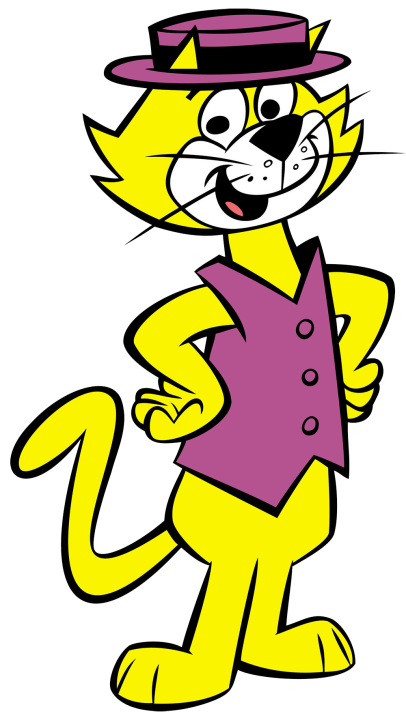
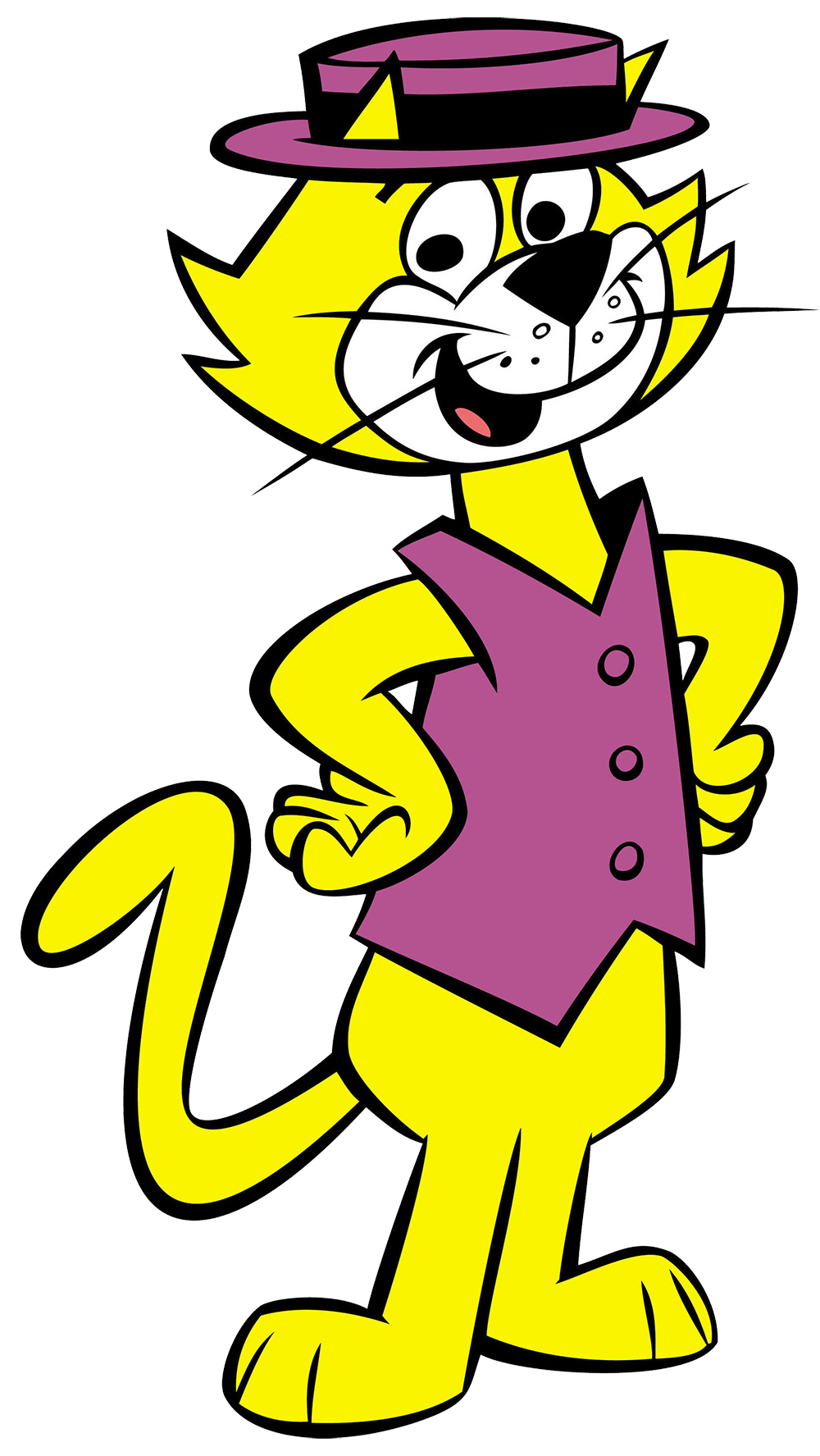
Worse still was the practice of BBC continuity announcers maintaining the pretense that a cartoon which was obviously called Top Cat, which featured a theme song which made repeated reference to its protagonist as
Top Cat!
The indisputable leader of the gang.
He’s the boss, he’s the pip, he’s the championship.
He’s the most tip top
Top Cat.
… was somehow called Boss Cat.
The same absurd pretense was maintained in the pages of the Radio Times and every time this program was broadcast, my entire faith in the BBC – indeed in the adult world in general – died a little. “These grown-ups are complete idiots,” I thought, tearing at the hems of my sailor-suit and descending from my velvet cushion in front of the television to seek reassurance that I was not mad. “Mummy, isn’t it a complete betrayal of the Reithian ideals of a once-great institution to maintain that a program self-evidently called Top Cat is somehow called Boss Cat?”
I think even at the time I was aware that Sellotape could not be named because this would be “advertising.” The same logic did not prevent the BBC from devoting two hours to the on-pitch antics of Arsenal Football Club, which was every bit as much a profit-seeking business as the purveyors of Sellotape (as usual, there’s one law for people who senselessly kick a ball around and another for the makers of useful household accoutrements).
The Boss Cat mystery was only solved for me 40 years later when I finally achieved closure, reading online that, at the time, there was a fairly obscure and short-lived UK brand of cat food called, you’ve guessed it, Top Cat. Since at the time our own cat would put her paw down her throat and pretend to vomit if presented with anything cheaper than Whiskas, we were never aware of this. Perhaps, like Vimto, it was a northern thing. But these two instances – Boss Cat and sticky-backed plastic – provide a current lesson to broadcasters. Which is that, even to a seven-year-old, it is painfully obvious when an announcer is trying to avoid saying something. And if you need to avoid saying something, at least do it well. (For a large enough salary, I am prepared to volunteer myself as the BBC’s head of euphemism and circumlocution. Surely sticky-tape would have been fine?)
‘Inappropriate behavior’ can be used, like a blank tile in Scrabble, to imply scandal without any supporting facts
When the BBC announces that the perpetrator of a terrible crime was “born in Cardiff” it is obvious that they are leaving something out. Humans have unsurprisingly evolved the skill of detecting what you are not saying alongside what you say.
But the Boss Cat de nos jours has to be the word “inappropriate.” “Inappropriate behavior” can be used, like a blank tile in Scrabble, to imply scandal without extra facts. It covers everything from heinous criminal behavior to having told a risqué joke at a rugby club dinner in 1976. It convicts without supporting evidence.
Like Boss Cat, it is an attempt at circumlocution which simply leaves the viewer confused. All news items containing the word should come with an advance trigger warning, so we can avoid them.






Comments