
Andrew Rule has narrated this article for you to listen to.
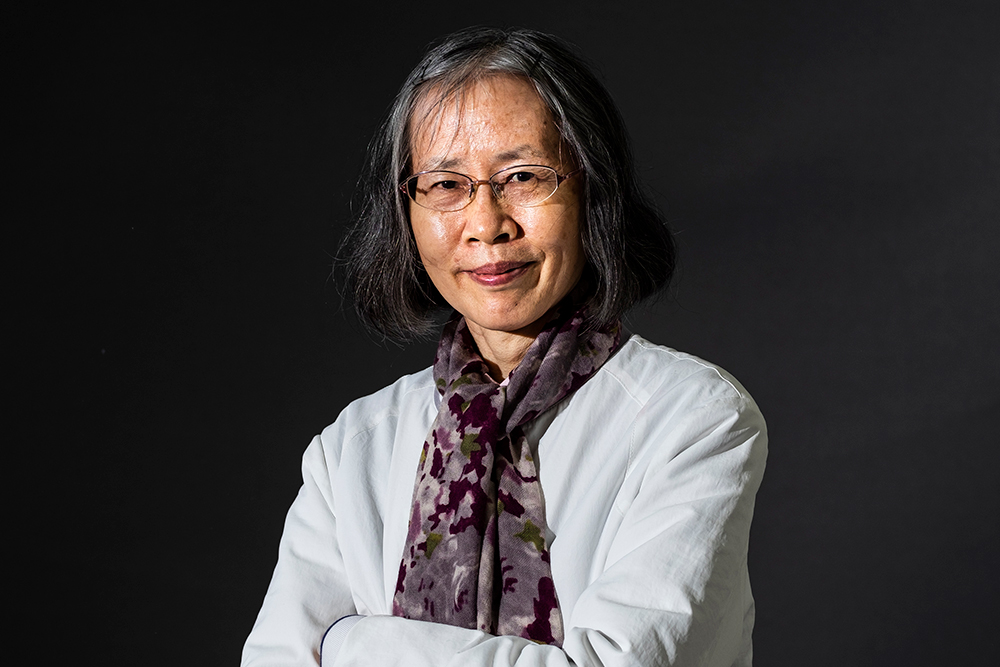
Can Xue is an oddity in the landscape of world literature. Greeted mostly with bewilderment or indifference in her native China, her novels have gained a following among a certain type of erudite western reader over the past few decades, leading to an annual flurry of Nobel speculation and more works in English translation than nearly any other living Chinese author.
The writing can be hard to enjoy. It often takes the form of avant-garde fairy tales populated by nameless characters who genially accept unsettling, inexplicable occurrences around them. When this works, as in last year’s gloriously strange Mother River, you get the disorientating feeling that you are the one who has gone insane, not the characters.

Reading The Enchanting Lives of Others is a more befuddling experience than usual. The novel follows the Pigeon Book Club, a group of young fiction enthusiasts and intellectuals living in the imaginary city of Meng (the word in Chinese refers to ignorance or deception). Every day these characters read books with titles such as XXXX5 and XX XX XX and marvel over how enlightened they feel as a result. They strip away everything from their daily routines apart from reading novels, and their parents and bosses look on appreciatively. ‘You are literature for me,’ they tell each other when they fall in love, with the curious (and intentional) flatness of Annelise Finegan’s English translation.
There’s something immediately cloying and uncanny about their fervour. (The literal translation of the novel’s Chinese title is ‘Impassioned World’, which gives a better sense of the characters’ weirdly saturated emotional state.) The slightest compliment is enough to send these intellectuals into paroxysms of delight; but it’s all conveyed through mechanical, exhaustingly repetitive language –like Gertrude Stein passed through a high-contrast filter.
You can see the outlines of satire here. The middle-class fantasy of building a meaningful life through cultural consumption is a relatively recent phenomenon in China. Can Xue prods at that impulse, exaggerating her characters’ pursuit of aesthetic fulfilment until it appears almost grotesque.
To enjoy this novel you may have to throw yourself into reading it with the same fervour as the Pigeon Book Club members manage. Everyone is happy, everyone is grateful, everyone is in love. It’s an oddly terrifying vision.



Comments