Keir Starmer once promised to ‘tread more lightly’ on voters’ lives. Yet he presided over a government that raised taxes faster than at any point since 1970. The bill has risen by £74.6 billion since the 2024 general election and there are still three years left of this parliament.
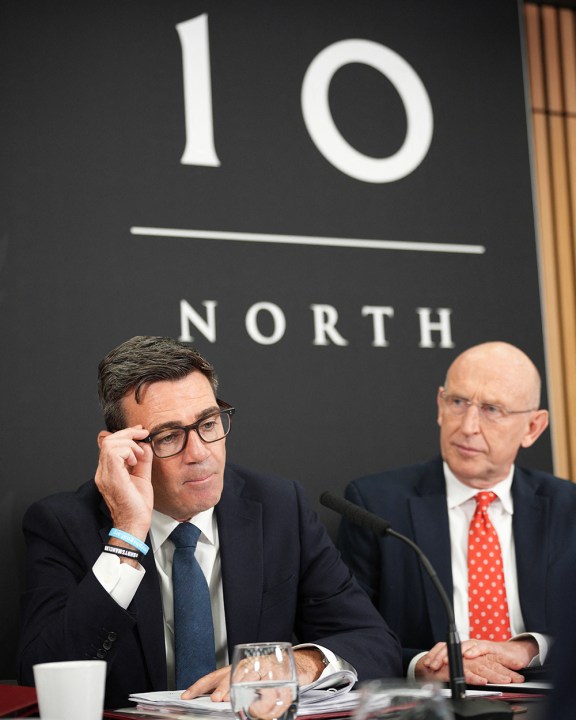
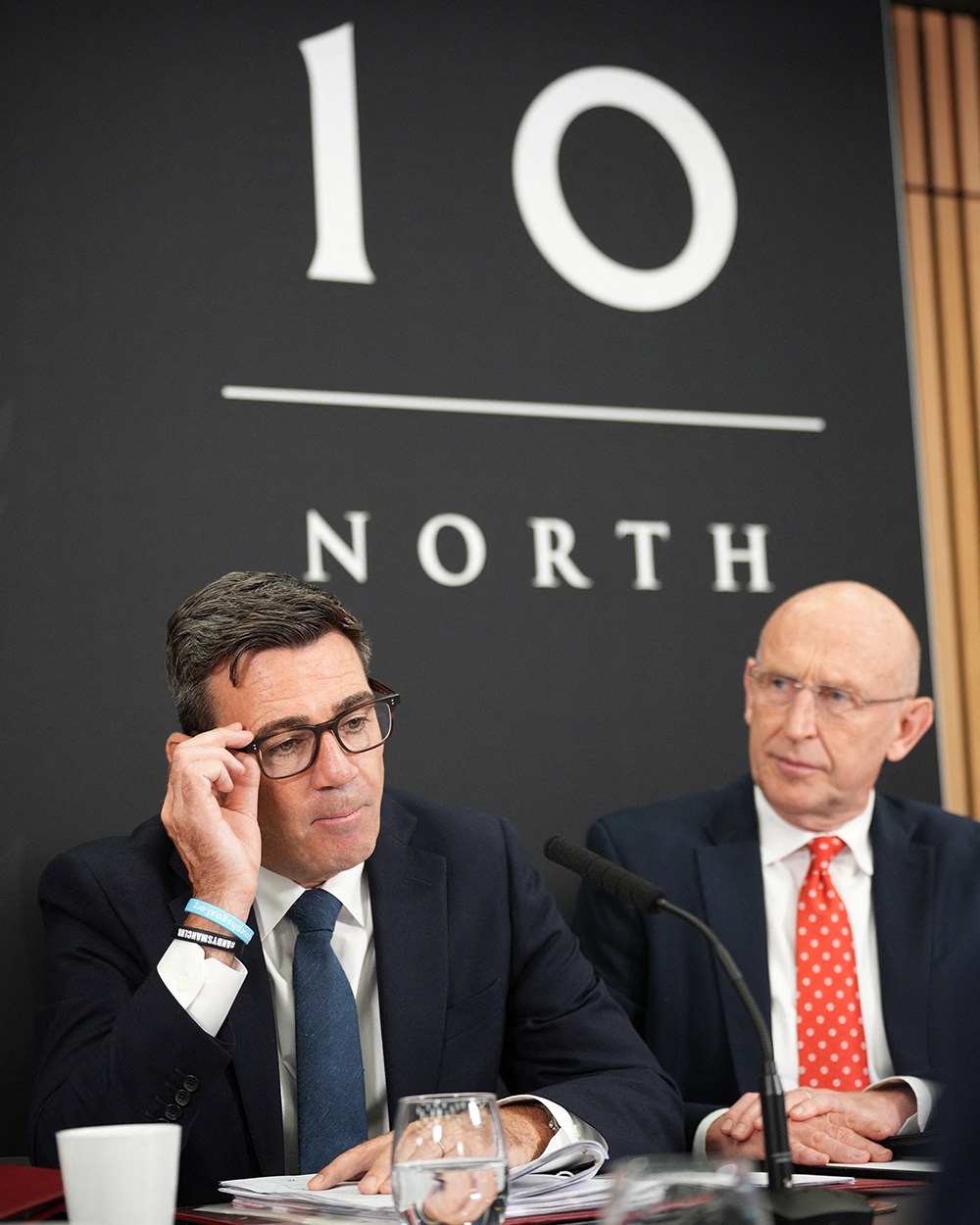
Upon entering Downing Street, Andy Burnham promised to do politics differently and ‘bring back hope’. Yet no amount of social media spin can wish away the constraints of the market. The new prime minister has so far avoided Liz Truss’s fate of a bond market panic but parliament has been in recess and Burnham’s plans remain vague. When MPs return on 1 September, he will face scrutiny; the countdown to John Healey’s first Budget, on 28 October, has begun.
Britain’s government may have changed, but our perilous fiscal position has not. Our new prime minister cannot avoid these facts. On his procession to the Labour leadership, Burnham made vast commitments on the fly, including a National Care Service, Thames Water’s nationalisation and ‘the biggest council house building programme since the postwar period’. Already, there are signs that he is curbing his ambitions; public control of the water industry has reportedly been postponed. But the urge to tax is all too apparent.
Healey was made chancellor just weeks after he resigned as defence secretary, citing the failure of Starmer and Reeves to properly fund our military commitments. It seems likely, then, that defence spending will rise. Such investment is needed, but how will it be paid for? Starmer’s authority collapsed when Labour MPs refused to support even a £5 billion cut to welfare. Growth remains anaemic, borrowing is increasingly costly and further tax rises loom.
Burnham has refused to rule out adding to Starmer’s record tax increases. While promising he would take a ‘careful approach’, he said he wouldn’t be ‘unrealistic’ about the ‘challenging’ state of the economy. When asked about the commitments he has made so far – including capping bus fares at £2 and cutting VAT on electricity bills – Burnham suggested these could be funded with money reallocated from elsewhere. But there comes a point when shuffling the Titanic’s deck chairs can no longer distract from the damaged hull. Britain’s economy suffers from problems that no government has been willing to fundamentally address.
According to the TaxPayers’ Alliance, the public debt has passed £3 trillion. Successive governments have proven unable to reverse this long-term trend. While the Conservative-led governments of the early 2010s temporarily reduced spending, the crises of Covid and the Ukraine war led to a rapid expansion of the state, even before Labour re-entered office.
Rachel Reeves displayed all her party’s worst instincts during her brief tenure in the Treasury. Hemmed in by manifesto commitments that ruled out increases to income tax, VAT and National Insurance, she turned instead on employers and entrepreneurs. This resulted in plummeting business confidence, a shrinking jobs market and the flight of higher earners abroad. The situation has been made only worse by a sharp increase in the minimum wage and Angela Rayner’s Employment Rights Act.
Burnham is unlikely to see all this as a problem. On accepting the Labour leadership, he promised to reverse ‘neoliberalism’ and identified Thatcherism as the source of Britain’s ills. There are signs of continuity with the failed Starmer government too. Burnham has made Neil Amin-Smith, formerly Reeves’s top adviser, his economic policy chief. Jim O’Neill – a former Treasury minister who at one stage seemed likely to take up the role – was deterred by the Prime Minister’s partiality for wealth taxes.
Healey’s appointment seemed reassuring; a rumoured Ed Miliband chancellorship would only have resulted in more private-sector punishment. But while Healey has a reputation for being levelheaded, his desire for more defence spending will encourage Burnham to impose higher taxes. Levies intended for defence could easily be turned to fund Burnham’s more ideological projects.
No amount of social media spin can wish away the constraints of the market
Britain does indeed need to spend more on defence. But further tax rises are not the solution. Burnham and Healey should instead tackle welfare, which today costs £354 billion a year, a real-terms increase of 16 per cent since 2010. Meanwhile, a quarter of Britain’s working-age population remain out of work.
Labour needs to confront matters it has so far avoided: the growth in sickness and disability benefits and the long-term cost of an ageing population. Fixing welfare is not simply an exercise in cutting government expenditure. It would also encourage those who can work to re-enter the workforce and therefore grow the tax base. On a point of simple principle, the lives of those who support themselves ought to be better than those they subsidise. Instead, it seems likely that Burnham will take more from workers to give yet more to those on welfare.
The last Chancellor Healey who failed to curb spending and taxation ended up prostrate before the IMF. That economic catastrophe led to the Thatcherite revolution that our current prime minister so despises. There are other lessons the Prime Minister could learn from history. Labour was once a party that believed in the dignity of work; so should Burnham, with his industrial northern roots, but there is little sign that he is interested in such old Labour values. Let us hope he can rediscover them in time for the October Budget.




Comments