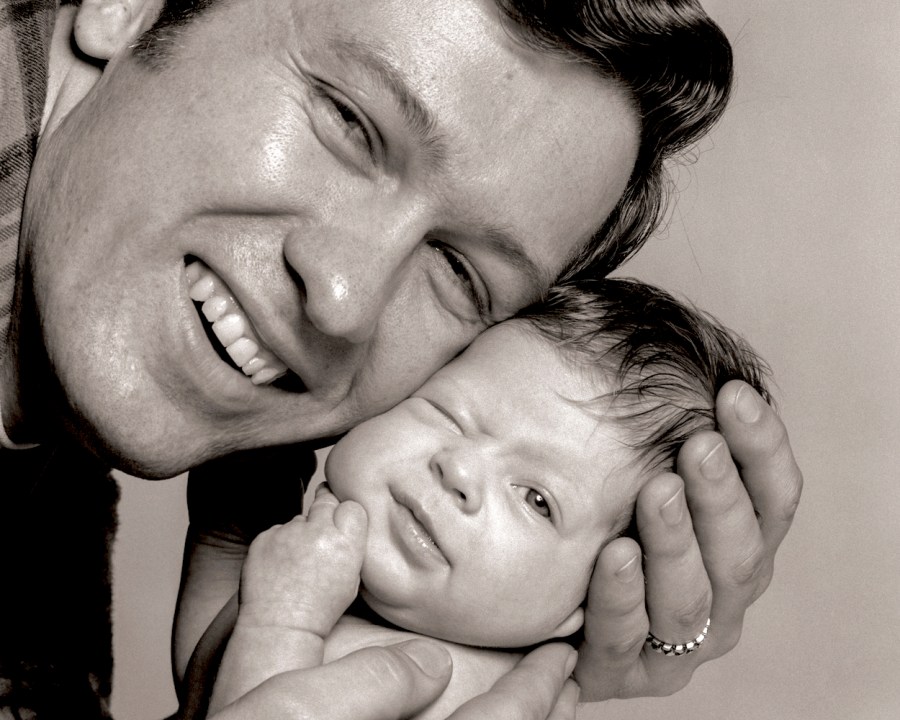
By the school gates. At swimming lessons. In NCT classes, soft play centres and the baby aisle at Tesco. Everywhere millennial mums gather, millennial dads are there too. Often wearing the now-ubiquitous baby sling (the one that so bizarrely offended Piers Morgan and his perception of masculinity) we arrive armed with the ever-expanding paraphernalia of modern parenting. Travel potties, sun cream, scooters, snacks, spare clothes and water bottles. Sometimes multiple water bottles.

On Saturday mornings at my local park, the dads almost always outnumber the mums. We all seem to have had the same idea: give mum Saturday morning off, partly because we may need to go into the office next week, or out for a beer after work. It is transactional, yes. But nice all the same. Or so I thought.
When I tweeted about this phenomenon, it angered a surprising number of people.
‘Want a medal, mate?’
‘Bragging about doing for an hour what your wife does all week. Nice.’
‘Hope she divorces you.’
Of course, things are not equal at a population level. I am not sure they ever will be. But I find it curious how difficult we find it to talk about the astonishing, and largely positive, transformation of fatherhood without always having to couch it in the language of feminism, or caveat any praise with the obligatory acknowledgement that women still usually do more.
‘Millennial dads are experiencing something mums have known for a long time,’ read the Guardian headline, above an article about men increasingly struggling to balance work and childcare.
I am immensely proud of my generation of men, and of the other fathers I have met since becoming a dad nearly four years ago. We really are doing things differently. And not just the practical stuff to do with potties. Behind closed doors, dads I know are tender and attentive with, and emotionally attached to, their kids like no other generation before them.
The numbers back it up. According to the Economist, American millennial dads in their mid-30s are spending almost as much time parenting as boomer mums did at the same age. Other studies show dads doing more night wakes, changing more nappies and generally being around more.
There has, of course, been a widely reported rise in stay-at-home dads, often alongside higher-earning wives. Less widely discussed is ONS data showing that the proportion of fatherless households and single mums (or ‘lone-parent families’) are not increasing. In fact, the share of single fathers has risen slightly, and lone mothers have become a smaller share.
So yes, circumstances are changing in ways that make it easier for dads to be around. Mums are working more. Many dads work from home, allowing them to be back for bedtime, school pick-up and the small daily rituals that previous generations of fathers were often forced to miss. But also, I am certain, men are choosing to be active dads. The men I know want this. They are embracing it.
I do not see it as a victory for feminism. I see it as a victory for men. It is not because men are being feminised. It is men choosing the kind of men we want to be. The phenomenon is concentrated in my middle-class bubble, for sure. Birth rates are falling, parents are getting older, and we allocate more time, resources and worry to each child. But I also see, among my friends, a competitive pride in being a father that is distinctly male and distinctly millennial.
We do not need praise. We do not want it
My children are the most audacious status symbol I have ever owned, and I walk around town showing them off like my dad showed off his Audi Quatro in 1990s (I drive a seven-seater Toyota). No one in my dads WhatsApp groups mentions Elon Musk’s take on ‘pronatalism’ or some giant man-baby called Andrew Tate.
In my groups, we joke about whose kid bit whom at nursery. We brag about taking our sons camping. We give each other tips like turning bedtime into a wrestling match. Online, I see Tom Tugendhat showing off his talent for tying his daughter’s hair. Dad influencers go viral joking about how we can never remember how to fold the buggy, or how painful it is to get through a three-year-old’s birthday party with a hangover (truly, it is.)
Millennial dads are doing just fine. We do not need praise or recognition. We do not want it. But the next time someone tells you there is a crisis of masculinity, remind them that we are also living through a golden age of fatherhood. And that can only be good news for the generation of men we are raising.



Comments