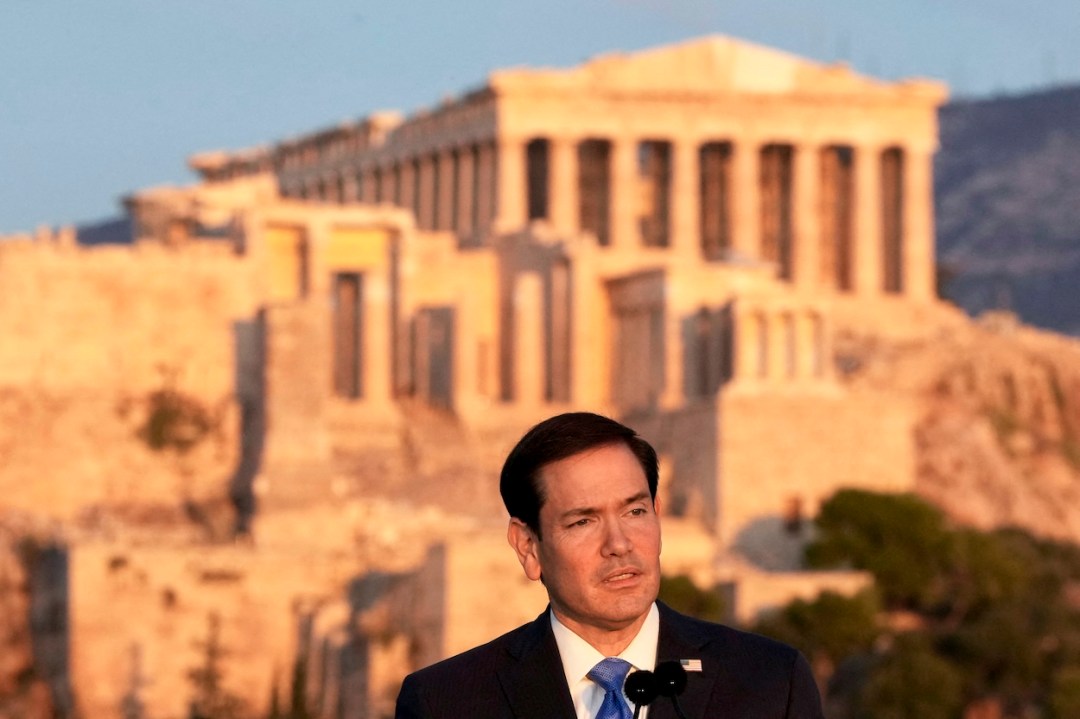
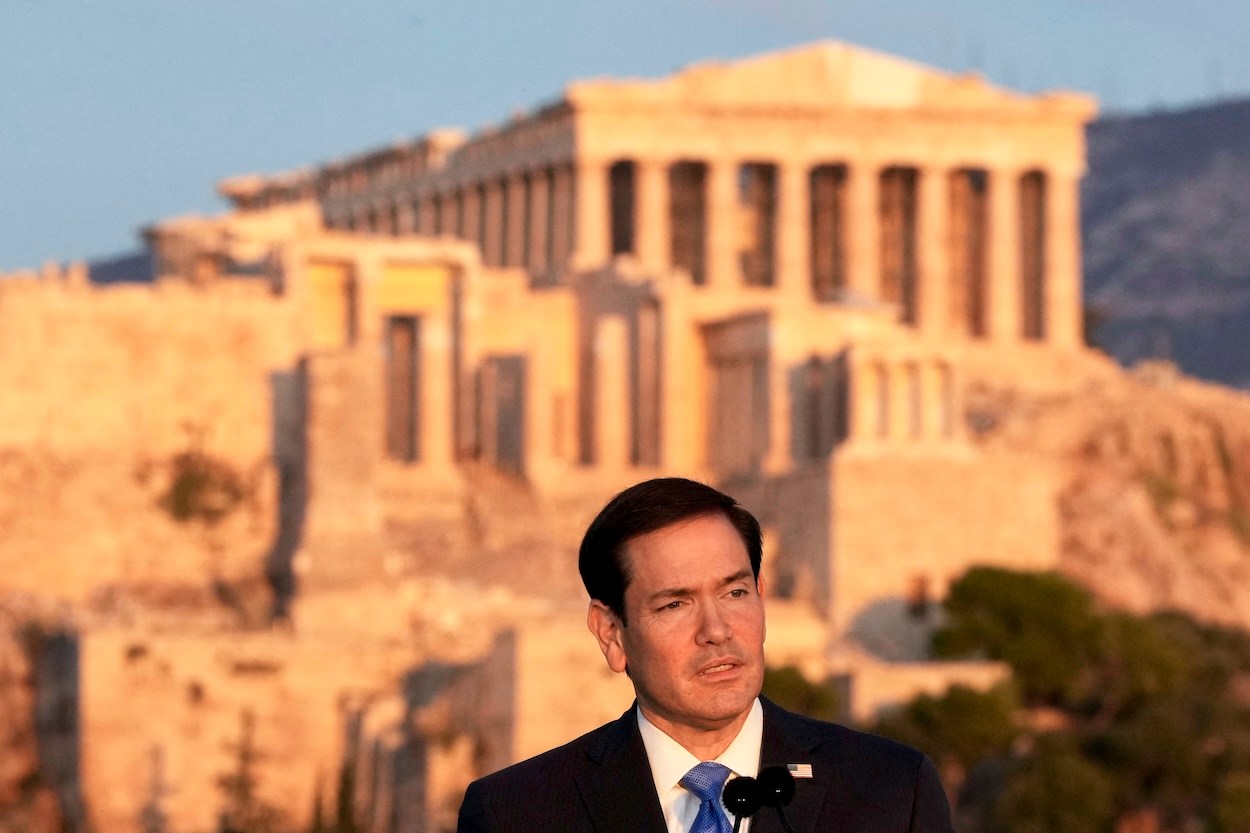
The Pnyx is a scrubby hill west of the Acropolis where Athenian citizens once crammed together to argue, vote and, now and then, talk themselves into disaster. On Wednesday, as the sun went down behind the Parthenon, Marco Rubio stood there and told the West to rediscover its nerve.
It was the best speech a western statesman has given in years, and its diagnosis is right. Europe did spend decades outsourcing its defense and much of its self-respect, and Rubio’s hymn to thumos – “the fire of passion, strength, courage, pride” – revived an oft-neglected idea. But listen to the virtues he chose. The Greeks, he said, prized “relentless ambition,” “risk and glory” and “an impatience with the notion of impossibility, chafing at all boundaries and limits.” His roll call of heirs ran from Alexander to Caesar to Cortés, and ended with America as “a continental empire.”
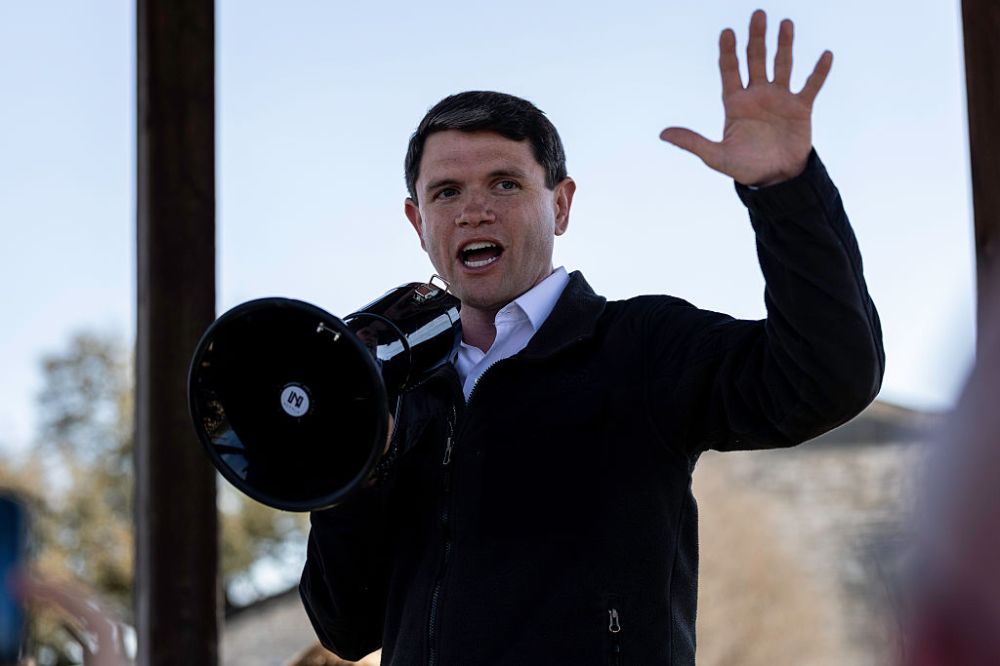
That is not the creed of Pericles, the one Athenian statesman Rubio named. It is the creed of Alcibiades. Pericles led Athens into war with Sparta, but his strategy was famously cautious. He wanted the city to stay behind its walls, trust in its fleet and, as Thucydides records, not try to enlarge the empire while the war lasts. He died of plague in 429 BC, and his successors ignored him.
The most dazzling of them was Alcibiades – a handsome, rich, and glory-hungry adventurer. In 415 BC he talked the Assembly, meeting on that same hill, into invading Sicily, brushing aside the cautious Nicias, who warned that Athens had enemies enough closer to home. Two years later the expedition was destroyed, its survivors left to rot in the quarries of Syracuse.
Now listen to Rubio’s own warning that the West “will either choose to act now or lose the choice to act at all.” That is the Alcibiades pitch to the letter. A strategic doctrine that demands “dominance” in everything from drones to space at once, and treats every limit as a failure of nerve will eventually blow up in a Sicily-style debacle.
Athens’s fatal adventure was a long war of choice far from home, sold as quick and glorious, launched while its real rivals were still in the field. Seven months into a war with Iran that was meant to be swift, with Hormuz still shut, a third carrier group heading east and strikes promised for after the midterms, America has not yet met its Syracuse. But it has certainly found its Sicily.
Rubio told his audience that the Greeks “gave us history itself.” Thucydides wrote his History of the Peloponnesian War as a warning about what happens when a democracy mistakes bombast and ambition for a coherent strategy. Athens survived its defeat in 404 BC, and its democracy was restored within a year. But it did lose its empire. Rubio closed by quoting Daniel Webster: we are all Greece’s debtors. We should now acknowledge our particular debt to Thucydides, and his narrative of how democracies can go off the rails in a time of war. Rubio is the most serious mind in his party, and the man it should send into 2028. He already has Pericles’ gift for a speech. He should take Pericles’ strategy too.





Comments