There are certain works that have attained, through their inclusion in GCSE and A-level syllabuses, an enduring place in the vague memories of several generations of Britons. Of Mice and Men, An Inspector Calls and The Owl Service come to mind, as does Wilfred Owen’s ‘Dulce et Decorum Est’, an excellent poem which has unfortunately become quite irritating due to its use by smart alecks trying to debunk patriotism.
The dynamics of schoolboy groups are captured beautifully: the bravado, the rapid changes of mood, the undercurrents of violence and the instinctive formation of hierarchies based on strength, competence and charisma
Then of course there is Lord of the Flies, William Golding’s disturbing allegorical exploration of the fragility and uncertainty of civilisation, first published in 1954. We remember Piggy and the conch, something about glasses and a monster, and possibly even the understated poignancy of the ending, when the stranded boys, who have descended into chaos and barbarism, are rescued by a British naval officer and almost immediately revert to their old personalities and hierarches in the presence of an authoritative adult.
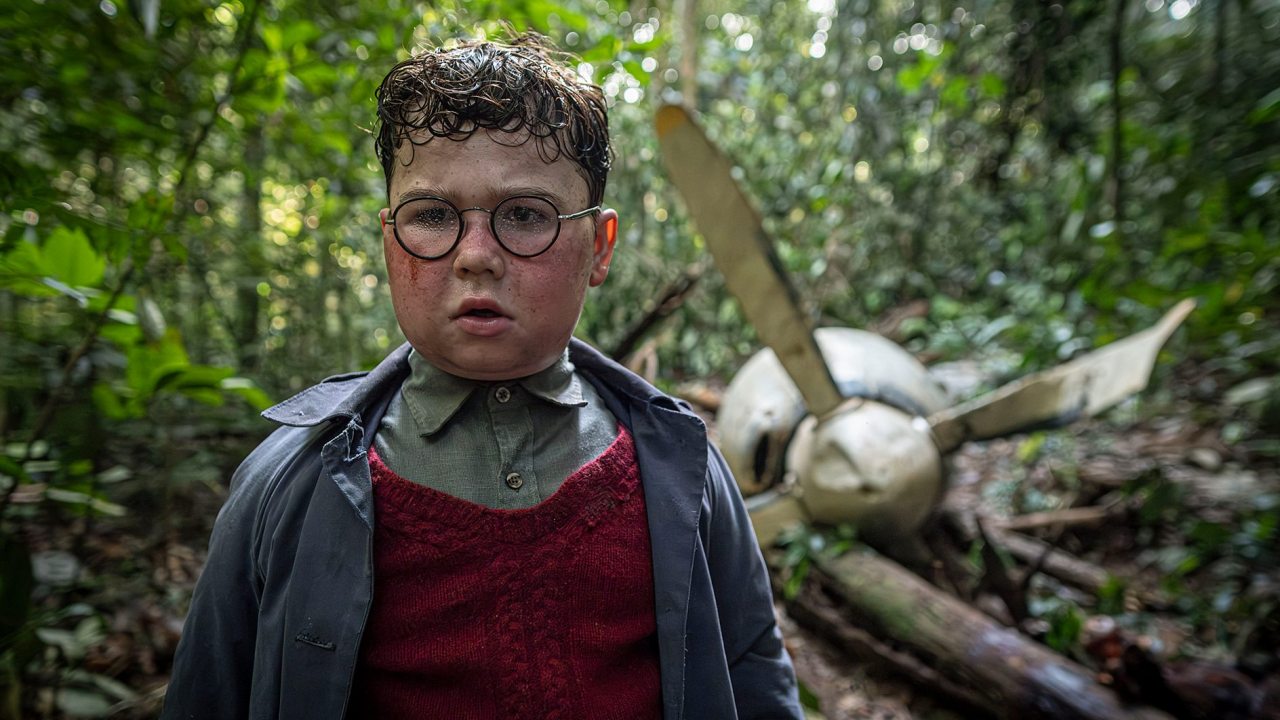
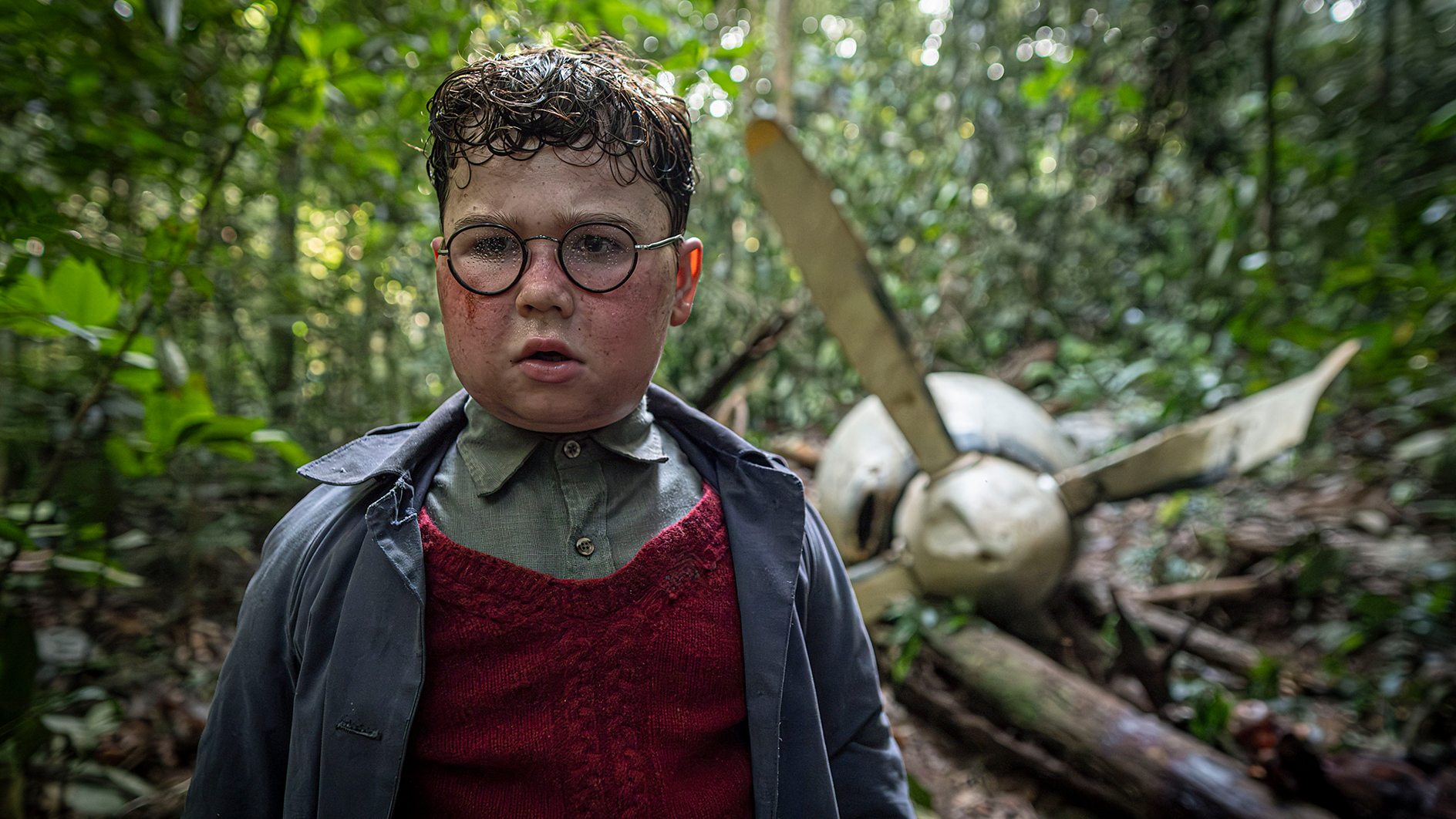
All the more remarkable, then, that the BBC’s new four-part series based on the book is the first ever TV adaptation. Released in full yesterday, it is really rather good. Director Marc Munden has coaxed fine performances from the young cast, especially David McKenna as Piggy, who embodies that character’s blend of intelligence, humanity and insecurity. The atmosphere is suitably brooding, and the creators do not flinch from the source material’s grim escalation of events, as reason and cooperation – the values for which Piggy advocates – are overwhelmed by more visceral instincts.
There was some comment before broadcast about the involvement of Jack Thorne, the writer of Adolescence. That series was widely interpreted, not without reason, as pushing an excessive and almost paranoid scepticism towards teenage boys. But in all fairness to Thorne, his take on Lord of the Flies is quite straightforward, a more or less direct transfer of the novel to the small screen, and he follows Golding in portraying the boys not as monsters but as flawed, immature, weak and scared. The dynamics of schoolboy groups are captured beautifully: the bravado (often based on the relative status of fathers), the rapid changes of mood, the undercurrents of violence, and the instinctive formation of hierarchies based on strength, competence and charisma. The show understands perfectly the way in which strong and popular lads can make or break the reputation and social status of weaker, bookish fellows by the tiniest acts and gestures.

The close attention to interpersonal realities matters because, ever since the book’s publication, there has been contention over whether Golding was right about human nature. Lord of the Flies was conceived as a self-conscious rebuttal to the upbeat and idealistic genre of stranded children stories, popular in the first half of the twentieth century. Golding doubted that real-life children in such situations would really be able to live in the constructive harmony usually featured. For obvious reasons, real-life tests of the competing theses have been few and far between. Famously, a decade after the novel was published, half a dozen Tongan schoolboys were stranded on a remote island for over a year, and seem to have managed perfectly well without killing one another. Perhaps Golding – who seems to have had a melancholy disposition – was just far too pessimistic.
Defenders of the Golding thesis might point to various anthropological studies purporting to show that, granted even limited amounts of power, people tend to use it to hurt others when given permission to do so. The best-known of these is the so-called Milgram experiment from the 1960s, which supposedly demonstrated how easy it was to get people to obey instructions to inflict severe pain on total strangers. This finding has been widely replicated in other studies, despite ongoing debate about the value of the data generated, and the appropriate interpretation.
The makers of the TV adaptation largely circumvent this argument. It doesn’t feel like any sweeping claims are being made about the totality of human nature. Rather, we are presented with a specific tragedy involving specific individuals. The intent, seemingly, is to offer questions, not answers, and a gentle reminder of the flaws in us poor mortals – what used to be called Original Sin. In the first episode, there is a well-crafted and troubling scene where one of the older boys takes pleasure in scaring some of the younger ones, for the pure devilment of it.
As with the book, we see the strengths and weaknesses of human archetypes. Ralph, the well-meaning ‘chief’, is likeable and a natural leader, but struggles to maintain order when violence and entropy begin to threaten the community. Jack, his chief antagonist, represents the dark glamour of violence and force, and eventually symbolises the primal joy to be taken in such things. Secondary characters like Roger illuminate how quiet and repressed people can attach themselves to violent movements in search of acceptance and excitement.
My own intuition is that Golding was altogether too pessimistic. But this adaptation does a fine job of posing the challenge: what if he wasn’t?




Comments