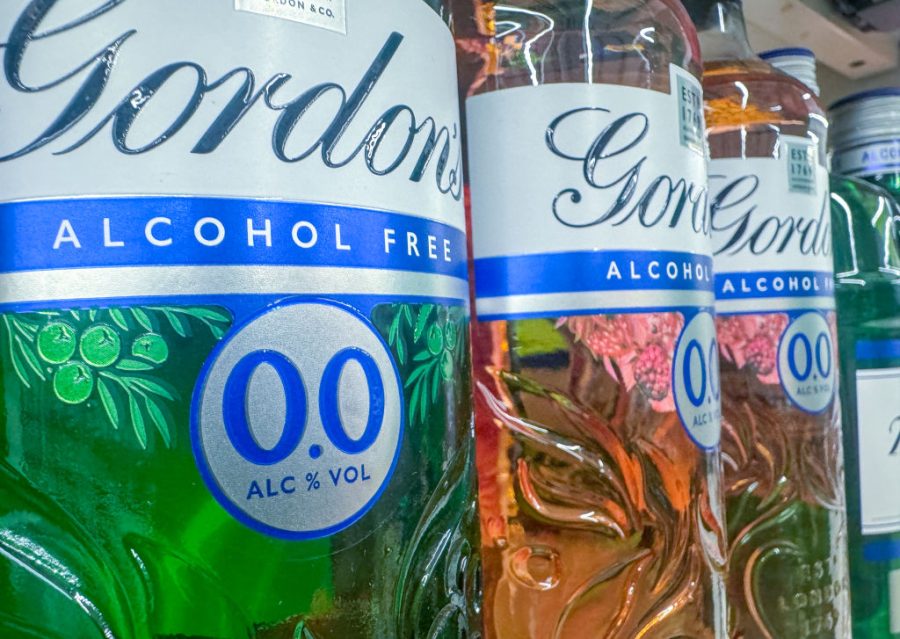
Labour is weighing up a crackdown on people under 18 buying ‘no and low-alcohol’ drinks. On current form, this means Keir Starmer’s government will launch a public consultation, commit itself to a ban, endure weeks of mockery and abuse from the public and then perform a humiliating U-turn. But when the inevitable climbdown comes, what will be the main reason? Let us consider the options.
Firstly, it is impractical. Where do zero-alcohol drinks end and soft drinks begin? The very definition of a soft drink is that it has no alcohol. Assuming that the government doesn’t want to ban teenagers from buying Fanta and Pepsi Max, it is going to have to make a legal distinction between a non-alcoholic drink and a soft drink. It could do this on the basis of branding, but if a non-alcoholic beer removes the word ‘beer’ and calls itself a soda, what is the government going to do about it? Conversely, what if a company decides to call its brand of apple juice a non-alcoholic cider?
This is a solution looking for a problem
Kids can buy drinks that have up to 0.5 per cent ABV. One option is for the government to drop this limit to zero. But there is a reason the current limit is 0.5 per cent. Sugars in soft drinks can ferment slightly, meaning that they might contain minute traces of alcohol; less than 0.1 per cent, perhaps, but not nothing. Some fruit juices can contain up to 0.5 per cent alcohol. Even ripe bananas are slightly alcoholic because natural fermentation converts sugars to ethanol.
By contrast, some non-alcoholic beers, wines and spirits, including Guinness 0.0 and Seedlip, contain no alcohol at all. The whole thing is a legal quagmire.
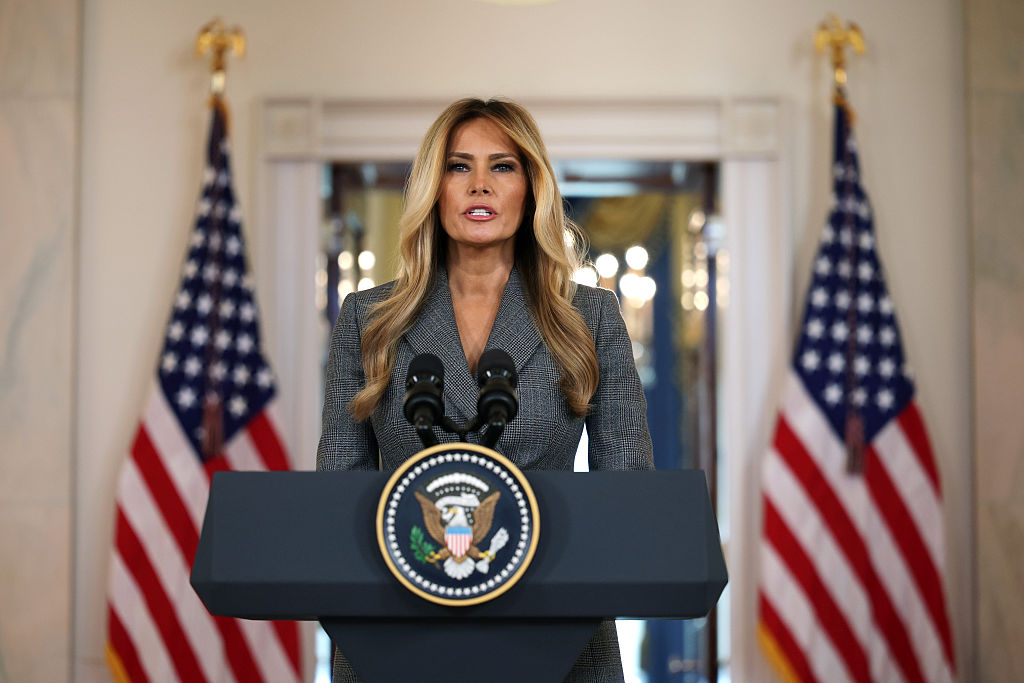
Secondly, where is the proof that a crackdown on zero-alcohol drinks is necessary? Health minister Ashley Dalton says that:
There is some evidence to suggest that exposure to alcohol-like products, even if low or zero alcohol, can normalise drinking, and become a gateway to alcohol consumption.
The ‘gateway effect’ is rhetoric borrowed from the war on drugs which campaigners use to justify banning things that are not dangerous enough to ban on their own terms.
I have been unable to find the evidence to which Dalton refers. I’m sure that some junk science showing an apparent gateway effect could be manufactured, but it would be torn to shreds by a competent academic.
Teenagers who like the idea of drinking non-alcoholic beer are presumably more likely to be interested in drinking real beer in the same way that risk-taking teenagers who are drawn to vaping, motorcycling and unprotected sex are more likely to be interested in smoking and illegal drugs. This is known as a ‘common liability’ and it could produce a statistical correlation between non-alcoholic beer consumption and actual beer consumption, but it would not be serious evidence of cause and effect, i.e. a ‘gateway’.
Thirdly, the theory lacks plausibility. Children dislike the taste of alcohol. It is an acquired taste. As teenagers, they must get over their natural resistance to the taste in order to enjoy the effects of alcohol. If there is no alcohol, why would they spend a relatively large amount of money on a non-alcoholic drink whose flavour they find repellent?
In the 1990s, there was a moral panic about ‘alcopops’, which tasted a bit like sugary drinks and contained plenty of alcohol. You could see how these could be a ‘gateway’ to drinking alcohol, but they were the exact opposite of non-alcoholic beers and wines. The only reason adults drink non-alcoholic beverages is that they have already acquired the taste for alcohol. For a youngster, they are all pain and no gain. I suppose that it is possible that there are some teenagers who like the idea of drinking beer even if it contains no alcohol, but it is safe to assume that such people will drink real beer as soon as they can get their hands on it. They don’t need a ‘gateway’.
So, what problem is this proposal trying to solve? Non-alcoholic beers have been around for decades and have never been associated with any social ill. They have become more popular in recent years thanks to the rise of puritanism and have encountered some resistance from the lunatic fringe of the ‘public health’ lobby as a result, but they are generally considered to be a Good Thing. The rise of non-alcoholic drinks has been accompanied by a decline in alcohol consumption in general and among young people in particular. In any case, the sale of alcohol to minors is already illegal. If that ban isn’t working, why would a ban on non-alcoholic drinks work better?
This is a solution looking for a problem. Some people have said that banning kids from buying non-alcoholic beer would damage pubs. That is stretching it. The problem is not that such a ban would have serious negative consequences; it is that it would be a pointless waste of time and a legal minefield. It is as if Rishi Sunak were still in charge. This is what happens when you start running out of things to ban.


Comments