
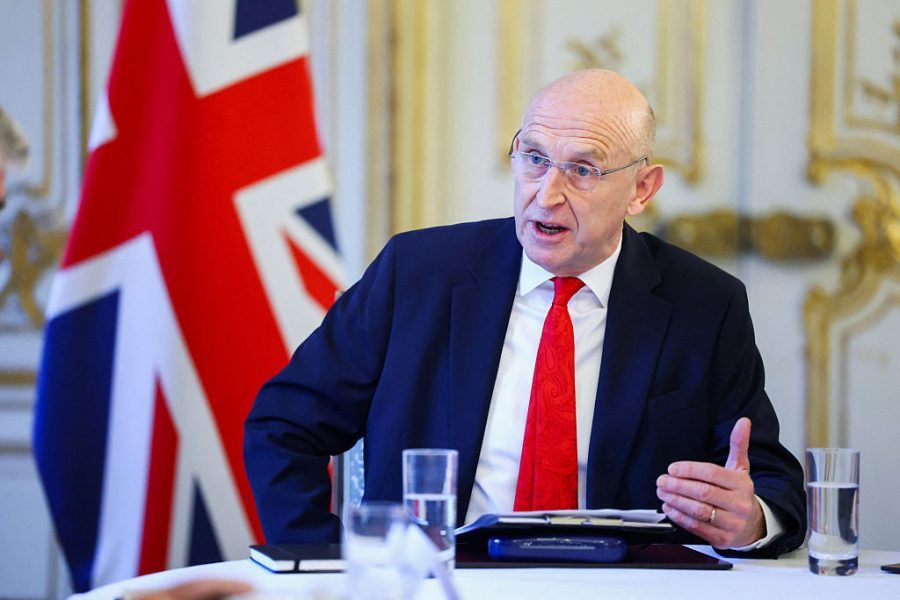
In his first Budget, an extra levy on the banks may have seemed like a clever wheeze to Chancellor John Healey. It would punish the greedy bankers with their lavish bonuses. It would make the economy fairer. And perhaps most of all, it would raise an extra £1.5 billion to keep the spending juggernaut going. But there is one thing it seems that Healey did not anticipate: that it looks like this levy could be about to be passed on to consumers – at the worst possible time.
In a Budget that was otherwise mercifully free of major tax rises, Healey did impose one significant increase. The corporation tax surcharge on the banks was doubled from 3 per cent to 6 per cent. With all the major high street lenders making bumper profits, it may well have seemed a very easy way of collecting some extra cash. After all, the likes of Lloyds and Barclays could easily afford it.
This is going to prove an expensive mistake for Healey. The Governor of the Bank of England Andrew Bailey warned this week that the extra levy would inevitably be passed along to consumers before long. ‘They will look to pass it on because they will be targeting a rate of return,’ he said in an interview. It could be in the form of lower saving rates, or else extra account charges, or, most plausibly, in higher rates for borrowers – and especially for anyone unlucky enough to be stuck with a large mortgage. Alternatively, it may mean an accelerated programme of bank branch closures, given how expensive they are to run, which will hardly help to save the high street.
Labour has still not learnt the lesson that companies don’t actually pay taxes
Even worse, this levy may not be paid at all. Jamie Dimon, the boss of JP Morgan, has already said he will try to find ways of clawing back the extra tax. He could even scrap the bank’s plan to build a huge new tower block in Canary Wharf.
This would all come at a terrible time. Around 6.5 million homeowners will face £100 a month or more in higher mortgage payments next year as cheap fixed-rate deals expire. At the same time, energy costs are still rising sharply, with more increases in the new year, while living standards are still being squeezed by a combination of accelerating inflation and stagnant wages, at least outside the public sector.
Labour has still not learnt the lesson that companies don’t actually pay taxes. In the end they are always paid by shareholders, employees, or most often by customers. It should have realised that after Rachel Reeves pushed through a big increase in employers’ National Insurance charges two years ago. It quickly became clear that the cost was passed on, mainly in the form of far fewer jobs, especially for young people. Big rises in business rates have been paid in the form of mass closures of pubs and cafes, and higher prices at those that remain open. Now it looks as if the raid on bank profits will be paid by customers and employees.
Perhaps this time the penny will finally drop for Labour: that raiding companies for tax is always very expensive for someone. But don’t hold your breath.




Comments