
Everybody has been raving about Legends, the Netflix series about undercover customs officers in the 1990s busting a heroin ring. But even though it’s “based on a true story,” there are times when it feels more like a histrionically implausible, over-reverential recruitment drive for HM Customs and Excise. “Thought they were just those men in white shirts embarrassing you at the airport by exposing the stash of cheap baccy hidden in your holiday underwear? Think again!” you can imagine the tagline running.
The model here, of course, would be Top Gun – the 1986 movie, heavily supported by the US military, which supposedly caused the number of men applying to become US Navy fighter pilots to increase by 500 percent (a figure that’s since been debunked). Though I doubt H&M Customs contributed much more than 5p’s worth of technical support to Legends – its budgetary constraints are one of the drama’s running themes – it definitely got an awful lot of bang for its buck.
I’m thinking, for example, of the scene where the head of customs Blake – played by Douglas Hodge in the clipped accent of a wartime rear admiral – is asked by his head of secret operations (Steve Coogan) for some unorthodox help on a risky venture whose failure would cost him his job. Yes, he says, inevitably. But not before he has first treated us all to a panegyric on HM Customs’s illustrious history which makes Harry’s speech before Harfleur look almost coy.
Then there’s the wife of undercover agent Guy (Tom Burke – aka Cormoran Strike: they’ve really pushed the boat out on the casting front). She is pregnant, her husband has never done such totally out-of-the-blue work before and he could easily die. But unlike any woman in the real world this TV character doesn’t mind one bit. Why? Because she’s done some dicey work for HM Customs herself in the past and, damn it, it’s all in the job.
It’s a shame that Neil Forsyth’s script has overegged the pudding in this way. While the shoot-outs, car chases and gangland executions do make the story more exciting, they also make it harder to believe that it was inspired by actual events and acts of genuine heroism by real, ordinary people.
When it works well, which it does mostly, you get a sense of how nerve-wracking it must have been and how hard not to give away your cover – aka your “legend.” In one scene, a Liverpudlian customs officer who has infiltrated the drugs gang by pretending to be out on parole and desperate for work is quizzed by his hard-man boss on the name of the prison where he served time. Unfortunately, the hard man has served time not just in the same prison but the same block. “And which way do the beds in the cells face?” he is asked.
Meanwhile, I have finally plucked up the courage to announce that I will be watching no more episodes of Rivals. I only pretended vaguely to enjoy the first series to keep my womenfolk happy. But really, apart from the scenes with horses, it’s dismal and after one episode of season two, in which I had to endure far too many cringey scenes of joyous, gasping lovemaking I can stomach
no more.
Call me old-fashioned, call me Peter Hitchens’s bastard love child if you will, but I really don’t get what is so deliciously toothsome, delightfully refreshing and hilariously chortlesome about a world where extramarital affairs are pretty much compulsory and no one terribly minds because bonking is such fun. Isn’t this exactly the kind of toxic self-indulgence – broken families, messed-up kids, squandered inheritance – that landed us in the mess we’re in today?
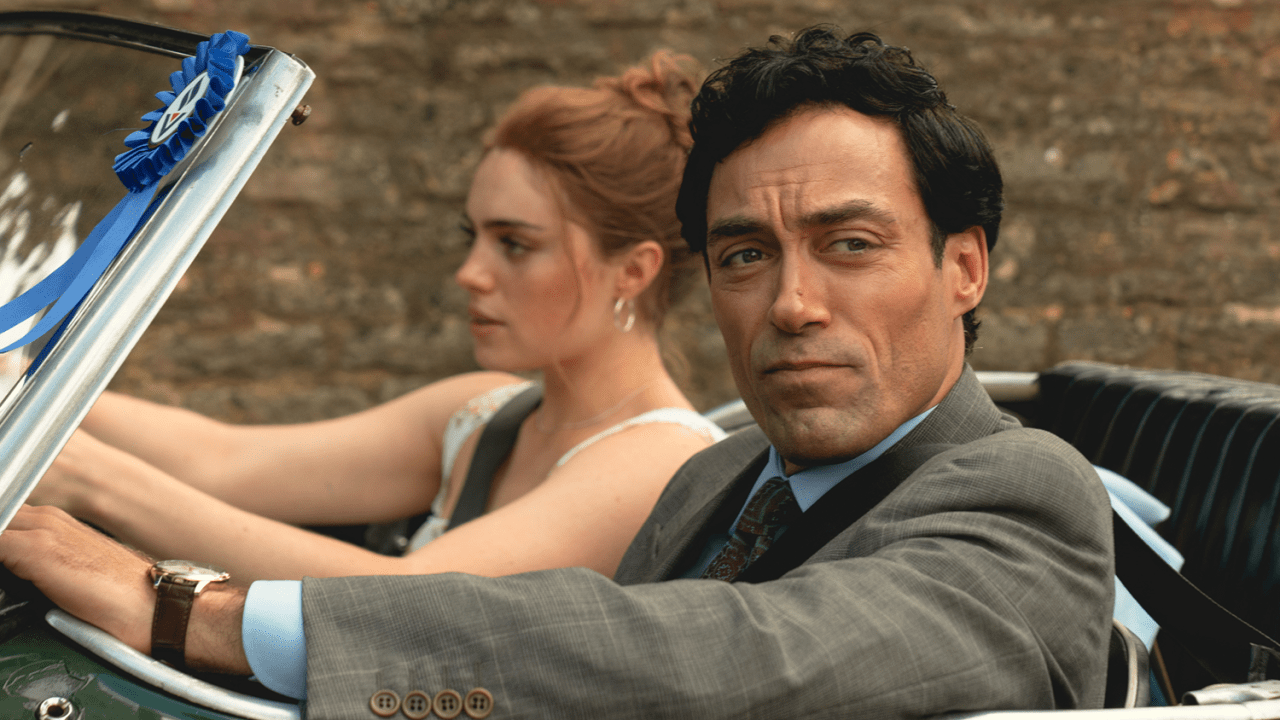
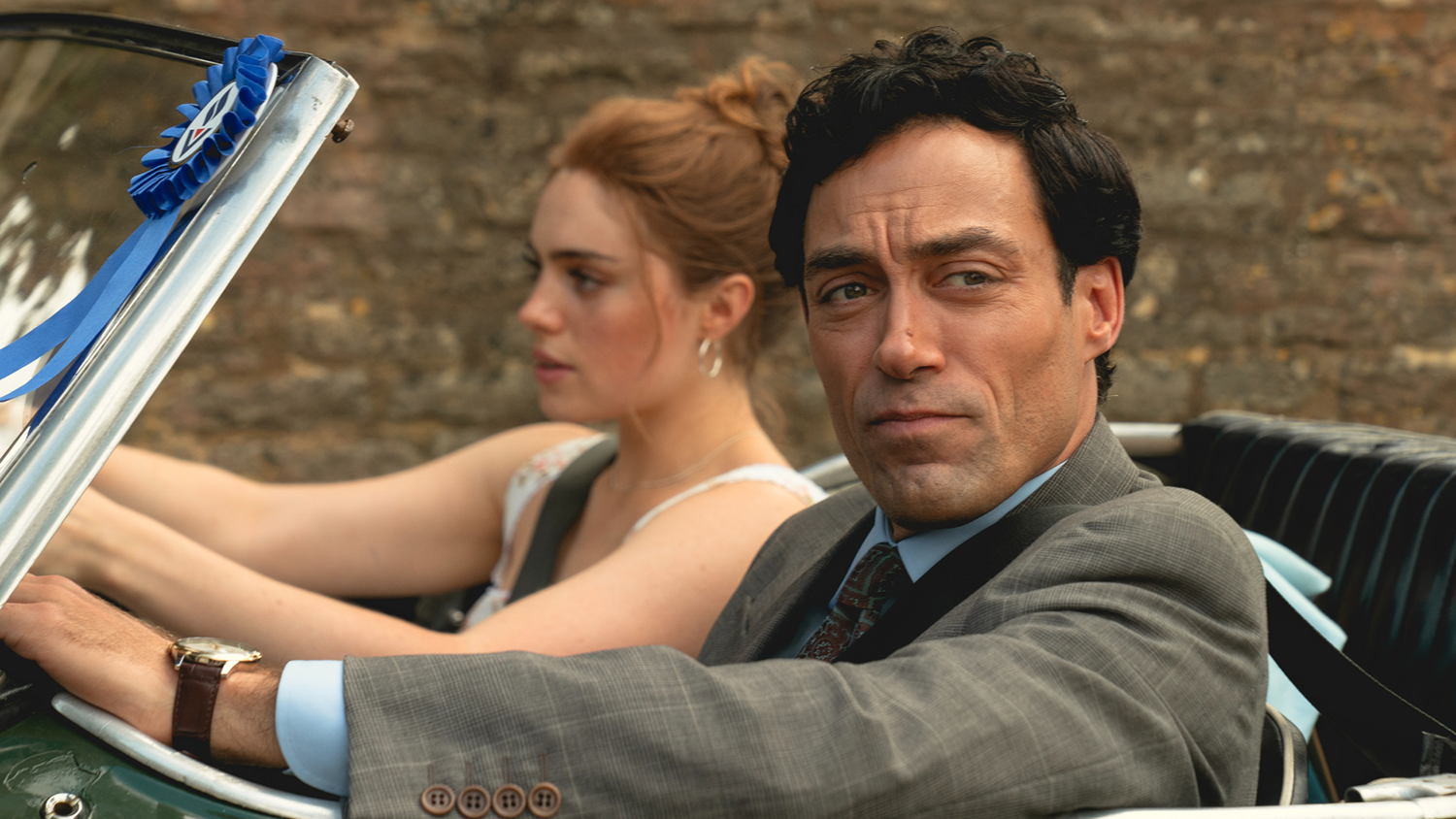
And why exactly are we supposed to root for Rupert Campbell-Black (Alex Hassell), the sort of priapic chancer who’d try to coax your wife and daughter into a threesome and then still look little-boy hurt if you refused thereafter to lend him the £3,000 he desperately needed to cover his subs with the Heythrop. Campbell-Black is not a hero. He’s the sort of chap who should be horsewhipped on the steps of his club. Then shot. (Apologies to those friends of mine on whom Campbell-Black is partly based. I’m not getting at you personally, you understand.)
Also, though it’s set in the 1980s it doesn’t really get them. The cars are all wrong: not nearly enough XR3is and Golf GTIs. No one ever actually liked David Bowie’s “Let’s Dance”: even then, we knew it was shit compared with his earlier stuff. No one had worked-out bodies like Aidan Turner shows when he strips off (gym bunnydom just wasn’t a thing). And Tony Baddingham’s (David Tennant) mistress and star presenter Cameron Cook (Nafessa Williams) wouldn’t have been black – as indeed she wasn’t in Jilly Cooper’s original book.
“Must you always complain about diversity casting?” the Fawn asked when I mentioned this last point, even though she agrees with it. I replied: “When the zombies are attacking the walls of the compound in wave after wave are you supposed to stop defending it just because they keep doing it?”



Comments