Moonstruck
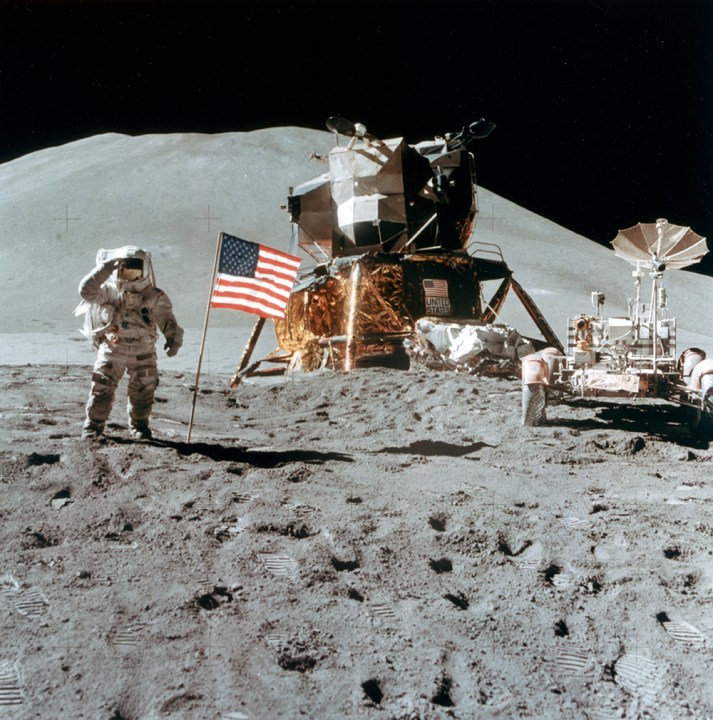
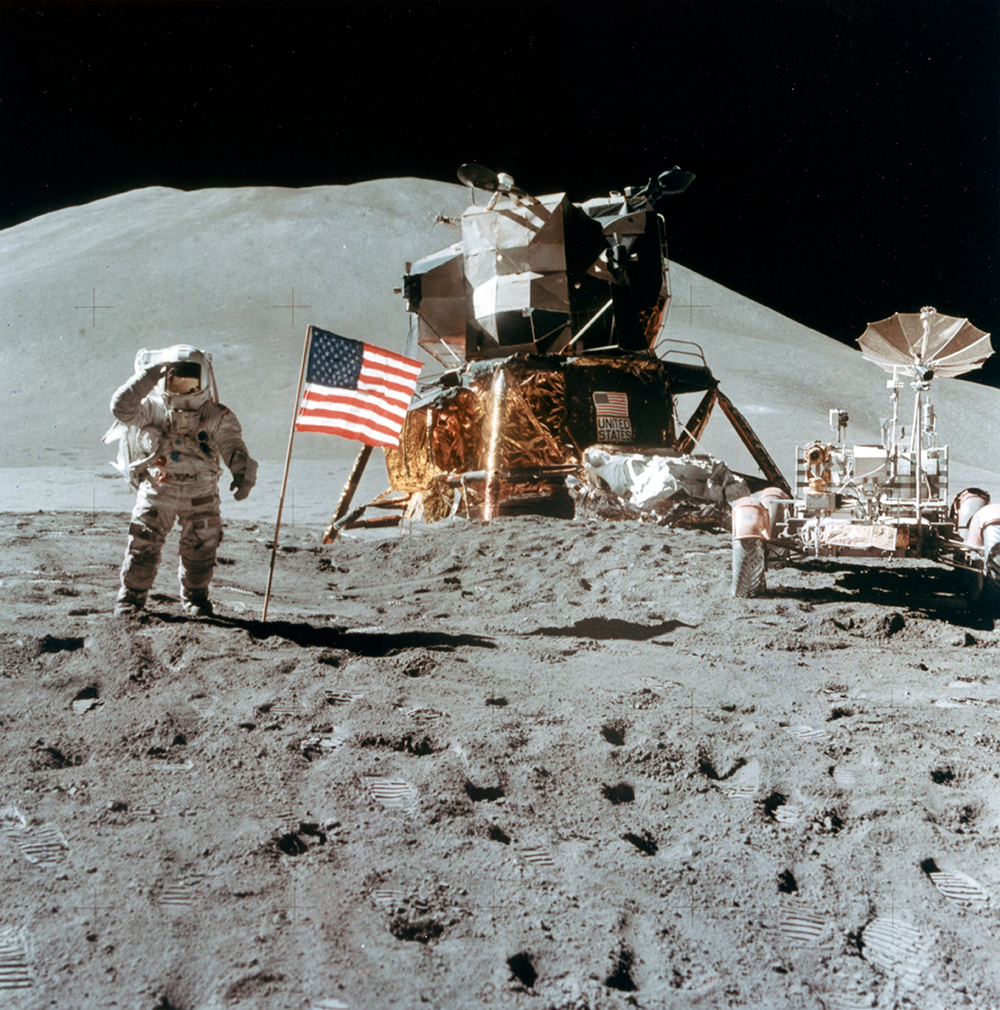
Four astronauts aboard the Artemis II spacecraft achieved the distinction of travelling further from the Earth than any humans before them – 252,000 miles away. This was by virtue of their orbit of the Moon being higher, at 6,400 miles above the Moon’s surface, than that of the craft used in the Apollo programme. However, they did not actually land on the Moon. How many humans have?
– Between Apollo 11’s mission in July 1969 and Apollo 17’s in December 1972, 12 astronauts stood on the Moon’s surface. A further 12 remained in their spacecraft at low orbit.
Free parking
Some 5.2% of the population of England now hold a Blue Badge, allowing them to park a car with much greater ease. How has the number of active Blue Badges changed over the past three decades?
1997 1.636m
2000 1.854m
2005 2.092m
2010 2.692m
2015 2.394m
2020 2.444m
2025 3.064m
Source: Department for Transport
A load of rubbish
Where do people fly-tip the most waste? There were 1.26m reported cases in 2024/25. These broke down by location:
Highway 463,000
Footpath/bridleway 254,000
Council land 223,000
Back alleyway 109,000
Private residential property 15,000
Commercial premises 4,000
Incidents were highest in London (53 cases per 1,000 people) and the north-east (24), and lowest in the south-west (9) and south-east (11).
Source: Defra
Locked in
Reform UK committed itself to keeping the triple lock on the state pension. What has been the effect of the triple lock?
– Between 2011/12 and 2023/24 the state pension rose by inflation on 6 occasions (once by the Retail Prices Index and then by the Consumer Prices Index).
– The net effect is that the state pension is now 10.9% higher than it would have been had it simply risen with CPI over that time, and 10.6% higher than had it risen every year by average earnings.
– The new state pension is equivalent to 24.1% of average earnings, still a little short of its 26% peak in 1979, before the Thatcher government linked it to inflation instead of earnings.
Source: House of Commons Library





Comments