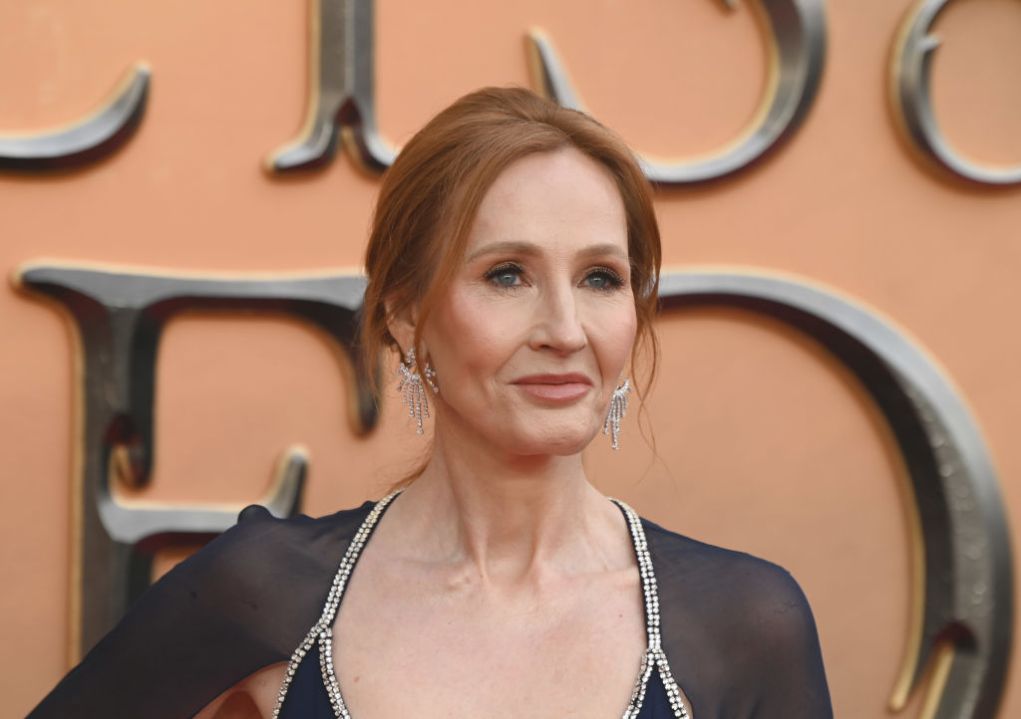
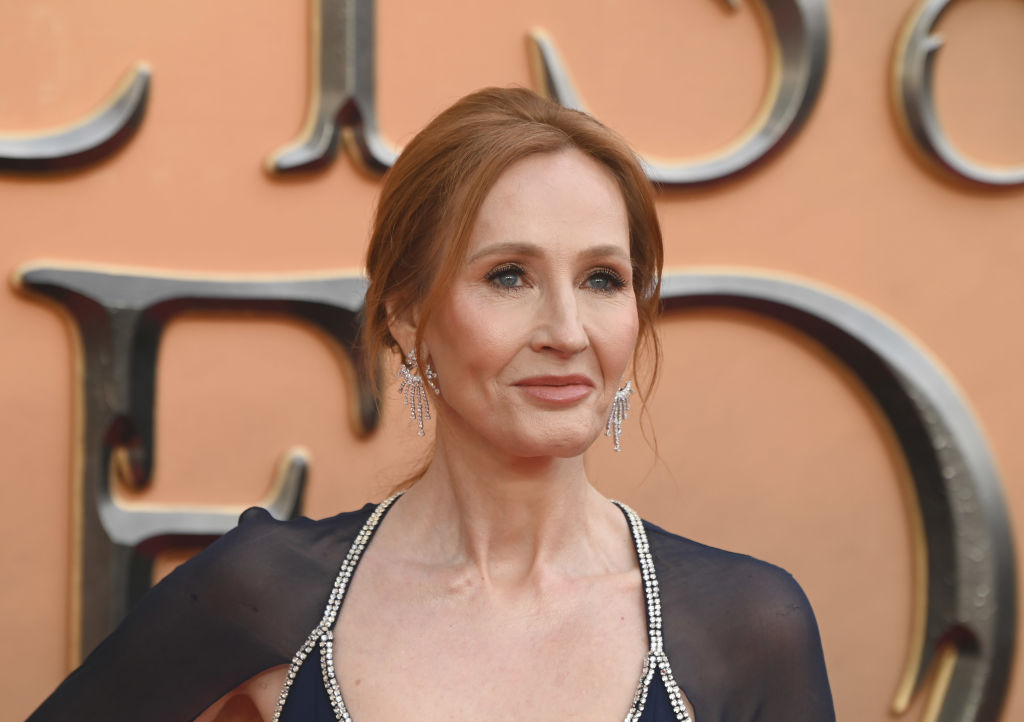
The actor Andrew Garfield, largely an amicable presence on and off-screen, attracted some controversy recently when, promoting his new family film The Magic Faraway Tree, he revealed that he had seen the Harry Potter series for the first time. He went on to say that “I know it’s controversial and we shouldn’t be putting money in the pocket of inhumane legislation right now, through she that shall remain nameless.” However, Garfield also said that “There are so many beautiful artists that worked on those films. I have a newfound appreciation for all of the artists, and Daniel is great.”
While Garfield’s appreciation of Daniel Radcliffe’s modest acting abilities as the eponymous Potter might be rather greater than that of other viewers, his cautious decision to liken the films’ ultimate creator J.K Rowling to her villainous character Lord Voldermort, aka “he who must not be named”, has antagonized far more people than it has pleased. One pocket of opinion, who side with Rowling’s views on the trans issue, consider Garfield both cowardly and impotently virtue-signaling, while others would argue that the entire Harry Potter universe is an evil creation by a wicked transphobe that should be shunned vigorously.
This second camp are not likely to be appeased by last week’s teaser trailer for the new HBO series based on the novels, starring newcomer Dominic McLaughlin as Potter and with much-loved British stars in support including Janet McTeer, Nick Frost and Katherine Parkinson – as well, in a slightly eccentric casting choice, America’s John Lithgow as the wise Professor Dumbledore. Directed and show-run by Succession alumni Mark Mylod and Francesca Gardiner, it appears to showcase a grittier, darker aesthetic than the films, with a more naturalistic style of shooting and greater use of existing London locations. While still obviously aimed at families, this is less the wide-eyed wonder of the original Chris Columbus pictures and more something wearier, and more hard-won. Perfect for 2026, in other words.
The anticipated controversy from the trailer is the presence of Paapa Essiedu as Professor Snape. Dreadlocked and black, he could not be further from the stately performance of the late Alan Rickman in the films, bringing an air of urban menace to this otherwise fantastical setting. And, as expected, many viewers have reacted either with predictable support (“of course Snape has to be black!”) or equally predictable and racially-tinged abuse. Whether Essiedu is inspired or lamentable casting will be revealed in full when the show launches on Christmas Day, but it is hard not to feel that his presence is something of a lightning rod to draw attention away from the real source of conflict, the wicked transphobe billionaire author herself.
In Britain, and to a lesser extent in the United States, Rowling has been credited (or blamed) with changing the conversation about trans issues almost entirely, in her refusal to accept what very nearly became a shibboleth that “trans women are women”. She did so in the knowledge that she, unlike many lesser writers and figures in the entertainment industry, could not be cancelled, simply because she was too powerful and influential to ignore. Although she continues to be a bestselling author thanks to her pseudonymously written Cormoran Strike series, it is her views on social matters (not least her very public contempt towards Britain’s Labour government, which she was once an avid supporter of) that have attracted as many column inches, if not more, than her books, and now the films based on them.
HBO have spent an awful lot of money on the Harry Potter series – the teaser trailer for which, incidentally, became HBO’s most viewed ever, with 277 million views in the first 24 hours – in the certain knowledge that there will be substantial and vocal backlash because of who its ultimate creator is. Their calculation, which seems a safe one, is that there will be many more people who either don’t care about Rowling’s views or who would support them than there would be those who would boycott the show as a result.
She has been unafraid to publicly criticize those, such as Radcliffe and his co-star Emma Watson, who have shown remarkable ingratitude to the woman who made their careers by speaking out against her supposedly heretical views, and it seems unlikely that she is going to shut up and behave herself because it might be beneficial to HBO Max’s subscriber base to do so. With all this in mind, both those looking forward to the show and those who relish the very public prospect of its actors being asked some very difficult questions about their personal views might feel that Christmas cannot come quickly enough.


Comments