
The Greater Manchester Police force has made a jaw-dropping admission. It says it failed to check vital information contained on the Manchester synagogue attacker’s phone – even though he was arrested twice before he carried out his terror attack last year. Jihad al-Shamie was shot dead by police on 2 October last year during the attack at the Heaton Park synagogue on Yom Kippur, the holiest day in the Jewish calendar. Two worshippers were killed.

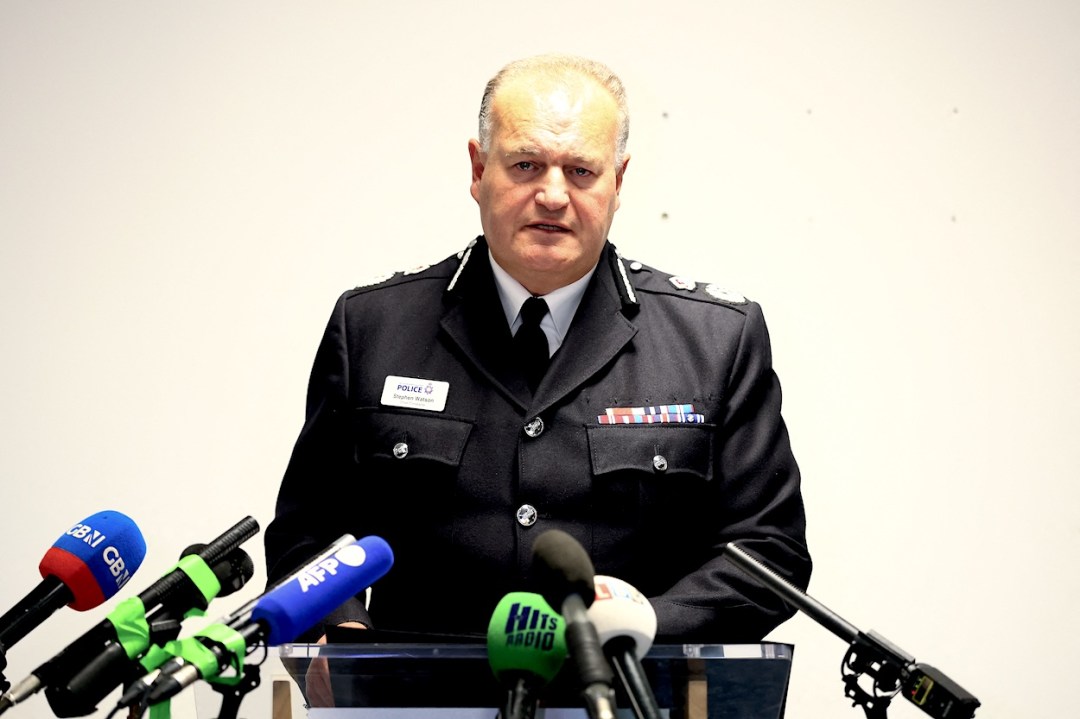
Sir Stephen Watson, the GMP chief constable, said he was ‘deeply sorry’ after admitting the phones of the terrorist were seized twice in the months before he carried out his attack: ‘In conducting an internal review, it became apparent that GMP had seized al-Shamie’s mobile devices, at the point of each arrest. The significance of the data contents of these devices was substantial in respect of evidencing an extremist mindset.’
‘Regrettably, I can confirm that the significance of the information stored on al-Shamie’s devices was not realised as they had not been examined before the attack took place on 2 October 2025.’
Watson characterised this damning failure as a ‘missed opportunity’ to potentially uncover the terror plot. The devices contained crucial data, including evidence of al-Shamie’s obsession with terrorism, but officers did not analyse their contents until after he had launched his attack on the synagogue.
‘There can however be little doubt that the information contained within these devices would have inspired further investigative action,’ Watson said.
‘I am disappointed at the prospect of adding to the distress of all those affected by the terrible events last October. For this, I am deeply sorry.’ In plain English, Watson’s officers failed to perform the basics of the job. How is this remotely acceptable?
The damaging police apology came as a friend and accomplice of al-Shamie, Mohammad Bashir, was sentenced to life imprisonment with a minimum of 17 years for planning a separate terror attack on the UK Defence Academy at Shrivenham. Details emerged in the court case that the pair had been discussing their extremist views in WhatsApp chats, including preparing for a ‘war’. All this evidence and more was simply sitting there on al-Shamie’s phone but the police didn’t bother to look. It is now known that al-Shamie was detained in February 2025 over an alleged breach of a non-molestation order and in September 2025 when he was held on suspicion of rape. He was still officially on police bail for the alleged rape offence when he was shot dead by police during the attack on the Heaton Park synagogue. It is a sequence of failures that simply defies belief. How could officers not search his mobile devices at the time of his arrest, not once but twice? Why did no investigating officer join any of the dots or show even the slightest curiosity about the man in their custody? It paints a damning picture of a police force asleep on the job.
There are now – inevitably enough – a number of independent reviews and processes underway into the actions of the Greater Manchester force.
How many times must we hear apologies from one public agency or other about some huge failure to perform their basic duties?
The police watchdog, the IOPC, is reviewing the police’s past investigations into al-Shamie. One officer is under investigation for potential misconduct in relation to their handling of allegations of rape and other sexual offences against him. Inquests into the deaths of the two men murdered at the synagogue, Melvin Cravitz and Adrian Daulby, are due to take place in spring 2027, and will examine all aspects of the attack. What must the families of the two victims think about these latest developments? It falls to the IOPC and the coroner to determine the impact and consequences of the police’s failure to examine the evidence that seemingly sat in their laps for so long.
There are other wider causes for concern. How many times must we hear apologies from one public agency or other about some huge failure to perform their basic duties? The admissions and apologies often come in retrospect, after failings have been made public. How many times are victims promised investigations, often dragging on for months if not years, that will get to the bottom of what happened? How many times do we have to hear the ‘lessons will be learnt’ mantra? The Greater Manchester force and its leader should hang their heads in shame. Saying sorry is welcome, but can only be the start. Questions must be answered quickly about what went wrong and why, and what measures will be taken to prevent such mistakes happening again.




Comments